

Bert Has Sexy Lady Legs | 2 Bears, 1 Cave
In this episode of 2 Bears, 1 Cave, Tom Segura and Bert Kreischer explore the intersection of athletics, health, and physical conditioning. They discuss how elite athletes struggle with sport-specific skills outside their domain, examine the dangerous health consequences of extreme bodybuilding despite its appearance of fitness, and emphasize the psychological benefits of exercise beyond physical results. The conversation also covers practical health topics like medical monitoring challenges and overcoming psychological barriers in injury recovery.
Beyond fitness discussions, Segura and Kreischer venture into entertainment concepts, announcing details about their expanding Two Bears 5K event in Nashville and brainstorming ideas for immersive themed restaurant experiences. The episode takes a nostalgic turn as they reflect on how consumer technology like VHS players created family moments that feel lost in today's era of incremental software updates, expressing both fondness for those experiences and sadness that such milestone moments may not exist for future generations.


This is a preview of the Shortform summary of the Nov 9, 2026 episode of the 2 Bears, 1 Cave with Tom Segura & Bert Kreischer
Sign up for Shortform to access the whole episode summary along with additional materials like counterarguments and context.
1-Page Summary
Athletic Competition and Physical Conditioning
Elite Athletes Demonstrate Sport-Specific Mastery
Tom Segura highlights the spectacle of NFL players like Jason Kelsey and Micah Parsons attempting sumo wrestling, only to be effortlessly moved by professional sumo wrestlers despite their elite athletic status. This demonstrates the remarkable sport-specific mastery unique to sumo wrestling.
The conversation shifts to Polynesian sprint collisions, which both Segura and Bert Kreischer find terrifying. In these competitions, two powerful participants sprint at each other from a distance and collide in the middle, with the winner determined by physics—mass times speed. The encounters frequently result in knockouts and injuries, and both hosts note that female participants display extraordinary physical strength.
Extreme Bodybuilding Creates Dangerous Health Contradictions
Segura and Kreischer discuss how extreme bodybuilding drives competitors to use massive doses of steroids, pushing [restricted term] levels to dangerous heights—sometimes as high as 2,300. This thickens their blood and causes dangerously high blood pressure readings like 210 over 112, putting bodybuilders at constant risk of heart failure or sudden death. Despite appearing fit, many suffer from severe body dysmorphia and prioritize physical appearance over actual health. Kreischer observes that the illusion of wellness in bodybuilding disguises substantial internal damage, highlighting the unavoidable trade-off between extreme muscularity and serious health risks.
Fitness, Health, and Mental Wellness
Exercise Provides Critical Psychological Benefits
Kreischer and Segura emphasize that exercise offers emotional and psychological benefits separate from physical appearance. Kreischer describes how on mornings when he feels sad or lost with no motivation to exercise, he forces himself to work out anyway. After completing the workout, his mood and mental clarity transform entirely, leaving him feeling "amazing." Segura echoes this, calling the emotional relief from working out "priceless." Kreischer finds particular value in pushing through the toughest final reps, which strengthens his mental fortitude and confidence for other life challenges.
Both hosts discuss the benefits of structured workouts and enthusiastic coaching, such as Barry's Bootcamp or trainers like Akeem. Kreischer explains that programmed formats and external accountability prove crucial during difficult emotional periods, helping him maintain consistency.
Medical Monitoring and Injury Recovery Present Unique Challenges
Kreischer describes suffering from white coat syndrome, where medical settings elevate his blood pressure readings. He takes his blood pressure daily at home and tracks it with photos, finding his home records more accurately represent his cardiovascular health. Segura notes that daily home tracking can distinguish between stress-related elevations and true chronic hypertension.
The hosts discuss how traumatic orthopedic injuries create persistent psychological barriers to recovery. Kreischer shares examples of people who remain deeply afraid of getting hurt again despite physical clearance. Segura explains that to fully recover, it's essential to gradually face these fears and reintroduce challenging movements rather than continuing avoidance.
Entertainment Concepts and Experiential Business Ideas
The Two Bears 5K Evolves Into a Comprehensive Festival
Segura announces that the next Two Bears 5K will take place in Nashville on April 10th, describing it as the biggest yet and evolving beyond a traditional race. The event is designed to foster a welcoming community atmosphere with participants able to walk, jog, or run competitively. Entertainment includes country western stars, football players, television stars, and comedians, with past events featuring roasts and live podcast recordings. This broad approach transforms the 5K into a multifaceted festival for both runners and non-runners.
Immersive Themed Restaurants Offer Historical Experiences
Kreischer pitches a 1950s-themed restaurant where diners and staff would take on period roles, though Segura quickly points out that authentic recreation of certain eras would involve exclusionary or offensive practices that fail modern ethical standards. Seeking a more suitable era, Kreischer suggests an immersive 1980s-themed restaurant instead. The duo imagines guests role-playing 1980s life, discussing technology like VHS players, and enjoying themed performances. They highlight music, fashion, and pop culture as compelling aspects, with Segura agreeing that the fun of dressing up and participating in a nostalgia-driven experience would draw a wide audience while avoiding discriminatory practices.
Nostalgic Reflection on Technology and Personal Experiences
Consumer Video Technology Created Defining Family Moments
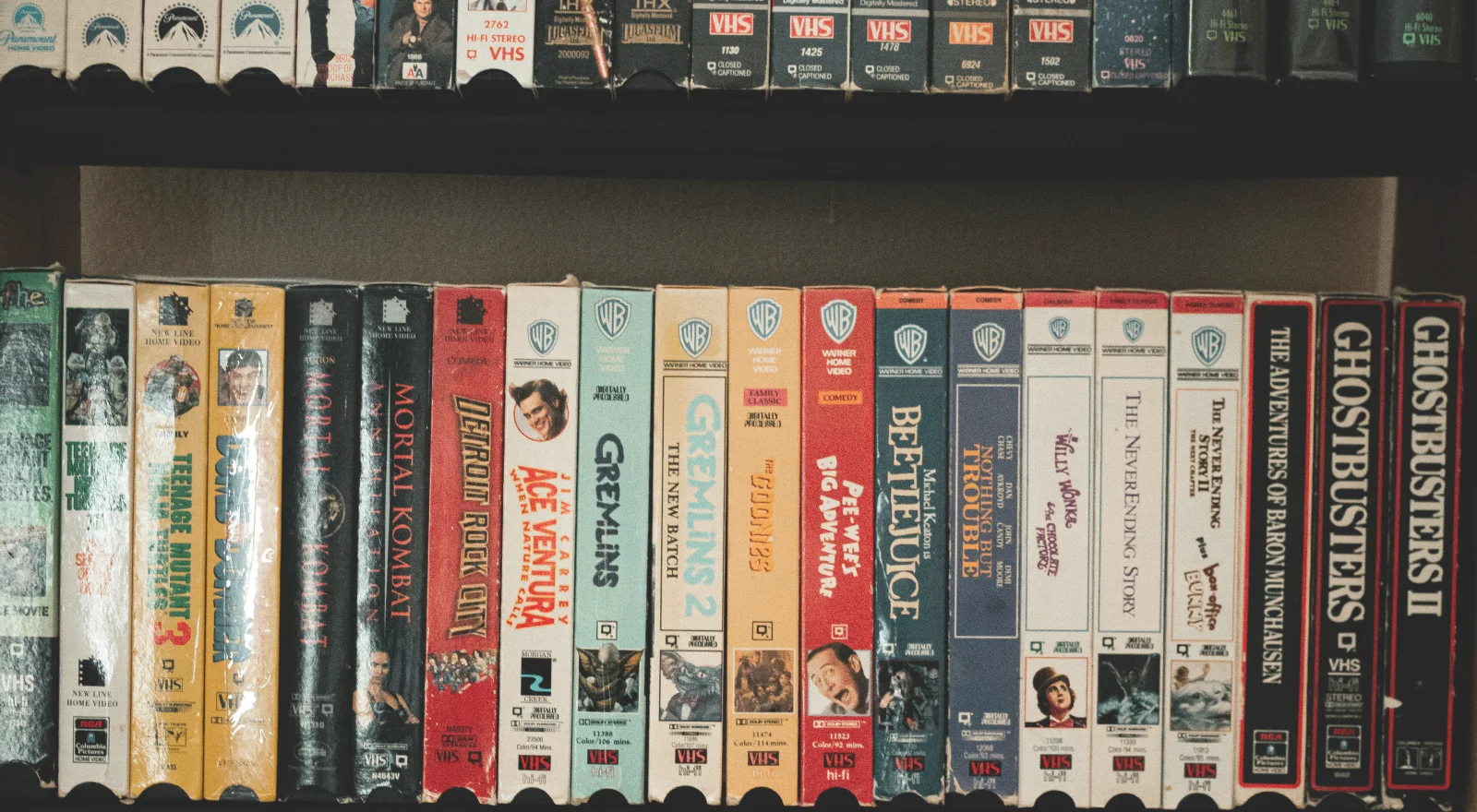
Kreischer recalls the memorable day his father brought home a VHS player, which united the family around this new technology. The device came with a 20-foot corded remote, and after setup, the family drove to a corner store to rent a movie from behind the counter. This experience created a lasting memory of technology bringing them closer together. Kreischer emphasizes how the initial VHS rental experience later changed with Blockbuster, which revolutionized selection by displaying movies on open shelves.
Parents Mourn Lost Family Tech Wonders
Kreischer expresses a sense of loss over the shift from tangible, communal tech experiences to incremental adoption through software updates. He notes that families no longer have singular celebratory moments around introducing "first technology" and mourns that he'll never experience bringing home new technology for the first time and sharing that awe with his daughters. He reminisces about the excitement when the family set up a big TV and gathered to watch together, creating an indelible moment. Segura and Kreischer discuss the idea of creating future milestones with grandchildren, acknowledging that while new memories can form with future generations, the particular magic of tech milestones remains specific to their own cultural moments.
1-Page Summary
Additional Materials
Clarifications
- Tom Segura and Bert Kreischer are popular American comedians known for their podcasts and stand-up comedy. They often discuss a wide range of topics, including sports, fitness, and personal experiences, blending humor with insight. Their relevance lies in their ability to engage audiences by sharing relatable stories and expert commentary on physical conditioning and wellness. Their conversations provide both entertainment and informative perspectives on the subjects they cover.
- Jason Kelce is a center for the Philadelphia Eagles, responsible for snapping the ball and blocking defensive players. Micah Parsons is a linebacker for the Dallas Cowboys, known for his speed and tackling ability. Both are elite NFL athletes with specialized skills in American football. Their roles require strength and agility but differ significantly from the techniques used in sumo wrestling.
- Sumo wrestling is a traditional Japanese sport where two wrestlers try to force each other out of a circular ring or make any part of the opponent's body other than the soles of their feet touch the ground. Matches are brief but require precise techniques, balance, and timing unique to sumo. Sport-specific mastery matters because skills and strategies effective in one sport often do not transfer to another, even for elite athletes. This explains why NFL players struggle against professional sumo wrestlers despite their general athleticism.
- Polynesian sprint collisions are traditional physical contests where two competitors run toward each other at full speed and collide, testing strength and impact resistance. These events are rooted in Polynesian cultures, often linked to warrior training and community celebrations. The sport emphasizes raw power and momentum, with outcomes determined by physics rather than technique. It showcases the exceptional physicality and toughness valued in Polynesian societies.
- [restricted term] levels are measured in nanograms per deciliter (ng/dL), with normal adult male ranges typically between 300 and 1,000 ng/dL. Levels as high as 2,300 ng/dL indicate extreme steroid use far beyond natural production. Such elevated [restricted term] can cause blood thickening, increasing the risk of heart problems and stroke. These levels are medically dangerous and unsustainable long-term.
- White coat syndrome is anxiety-induced high blood pressure occurring during medical visits. It causes temporary spikes in readings due to stress from being in a clinical environment. This can lead to misdiagnosis of hypertension if only measured in the doctor's office. Home monitoring helps provide more accurate blood pressure assessments by avoiding this stress.
- Body dysmorphia is a mental health disorder where individuals obsess over perceived flaws in their appearance, often unseen by others. In bodybuilders, it can cause an unhealthy fixation on muscle size and shape, leading to excessive training and steroid use. This condition may distort their self-image, making them feel inadequate despite significant muscular development. It often drives behaviors that prioritize appearance over physical and mental health.
- Barry's Bootcamp is a popular fitness brand known for its high-intensity interval training classes that combine cardio, strength, and endurance exercises. It emphasizes group workouts led by motivating instructors, creating a supportive community atmosphere. Trainer Akeem likely represents a skilled personal trainer who provides structured guidance and accountability, helping clients stay consistent and motivated. Both highlight the importance of expert coaching and program structure in maintaining fitness routines.
- The Two Bears 5K began as a simple running race organized by comedians Tom Segura and Bert Kreischer. Its evolution into a festival reflects a trend where athletic events incorporate entertainment and social activities to attract a broader audience. This approach creates a community experience that appeals to both serious runners and casual participants. The festival format also leverages celebrity appearances and live performances to enhance engagement beyond the race itself.
- Recreating historical eras in themed restaurants can unintentionally replicate social norms or practices that were discriminatory or exclusionary, such as segregation or gender inequality. This raises ethical concerns about endorsing or trivializing harmful aspects of the past. Modern audiences expect inclusive environments that respect diversity and avoid glorifying oppression. Therefore, careful consideration is needed to balance authenticity with contemporary values.
- VHS players were home devices that played movies recorded on magnetic tape cassettes, allowing families to watch films anytime. Before Blockbuster, renting movies meant requesting titles from a clerk who retrieved tapes from behind the counter. Blockbuster introduced open shelves where customers could browse and select movies themselves, greatly expanding choice and convenience. This shift made movie rentals more accessible and popular, changing home entertainment culture.
- Singular technology adoption moments refer to distinct, memorable events when a new device or technology is introduced and experienced for the first time by a family or group. Incremental software updates happen gradually and continuously, improving or changing existing technology without a clear, standout moment. These updates often occur silently in the background, lacking the excitement or communal experience of adopting a new physical device. This shift changes how people perceive and celebrate technological progress.
- Psychological barriers after orthopedic injuries often include fear of re-injury and loss of confidence in the injured body part. These fears can cause avoidance of movement, delaying physical recovery and rehabilitation progress. Overcoming them requires gradual, controlled exposure to feared activities to rebuild trust in the body’s capabilities. Mental health support and positive reinforcement during rehab also help patients regain confidence and reduce anxiety.
Counterarguments
- While NFL players may lack sumo-specific skills, their overall athleticism and adaptability could allow them to develop proficiency in sumo with dedicated training.
- The focus on mass and speed in Polynesian sprint collisions overlooks the importance of technique, agility, and strategy, which can also influence outcomes.
- Extraordinary physical strength among female participants in Polynesian sprint collisions does not necessarily mean parity with male participants, as physiological differences may still exist.
- Not all extreme bodybuilders use dangerous levels of steroids; some compete naturally or with minimal supplementation.
- Body dysmorphia is not universal among bodybuilders, and many prioritize health and well-being alongside physical appearance.
- Some bodybuilders maintain excellent internal health through careful monitoring, medical supervision, and balanced approaches to training and supplementation.
- The psychological benefits of exercise can also be achieved through non-exercise activities such as meditation, social interaction, or creative pursuits.
- Forcing oneself to exercise during periods of low motivation may not be beneficial for everyone and could exacerbate negative feelings or lead to burnout in some individuals.
- Structured workouts and external accountability are not universally necessary; some people maintain consistency through intrinsic motivation or unstructured activity.
- Home blood pressure monitoring can be inaccurate if not performed correctly or with validated devices, potentially leading to false reassurance or unnecessary concern.
- Gradual exposure to challenging movements after injury may not be appropriate for all individuals, especially if there are underlying medical or psychological conditions requiring alternative approaches.
- Transforming a 5K race into a multifaceted festival may dilute the focus on athletic achievement and alienate participants seeking a traditional race experience.
- Immersive themed restaurants may risk trivializing or oversimplifying complex historical eras, potentially perpetuating stereotypes or inaccuracies.
- The nostalgia for past technology milestones may overlook the benefits of modern incremental innovation, such as greater accessibility, convenience, and continuous improvement.
- While communal experiences around new technology have changed, families can still create meaningful shared moments through other activities or by embracing new forms of technology together.
Get access to the context and additional materials
Athletic Competition and Physical Conditioning
Elite Athletes in Unconventional Sports Showcase Impressive Physical Capabilities
Tom Segura highlights the spectacle of NFL players such as Jason Kelsey and Micah Parsons attempting sumo wrestling. Despite their status as elite athletes and years of experience as linemen, they cannot move professional sumo wrestlers, demonstrating the sumo wrestlers' remarkable sport-specific mastery and strength. Sumo wrestlers display the ability to lift and push away NFL players, underscoring the distinct physical demands and techniques unique to their discipline.
The conversation shifts to Polynesian sprint collisions, an event both Segura and Bert Kreischer find terrifying and violent. In these competitions, often featuring powerful Samoan or South Pacific participants—both men and women—two competitors sprint directly at each other from a significant distance, colliding in the middle. The encounters prioritize raw power over refined technique, frequently resulting in knockouts, concussions, and injuries. Segura notes that physics—mass times speed—determines the winner, likening the contest to slapboxing on a much more dangerous scale. The hosts observe that female participants in these collisions exhibit extraordinary physical strength and durability, making it clear that even average-sized men would likely be overmatched.
Extreme Bodybuilding and Performance-Enhancing Drugs Pose Dangerous Health Risks Contradicting Wellness
Segura and Kreischer discuss the dangers of extreme bodybuilding, where the pursuit of greater muscularity drives many competitors to use massive doses of anabolic steroids and other performance-enhancing drugs. These substances push bodybuilders’ [restricted term] levels to dangerous extremes, with some reporting levels as high as 2,300, causing their blood to thicken and strain their cardiovascular systems. As a result, many bodybuilders walk around with dangerously high blood pressure—readings such as 210 over 112 or 163 over 97 are not uncommon—putting them at constant risk of heart failure, organ damage, or sudden death, sometimes as early as age 38.
Despite appearing fit, many elite bodybuilders suffer from severe body dysmorphia, rejecting ph ...
Here’s what you’ll find in our full summary
Athletic Competition and Physical Conditioning
Additional Materials
Clarifications
- Tom Segura and Bert Kreischer are popular comedians and podcast hosts known for discussing a wide range of topics, including sports and fitness. Their opinions matter because they have large audiences and often share personal experiences and insights that resonate with listeners. They bring humor and relatability to complex or niche subjects, making them more accessible. Their commentary can influence public perception and spark conversations about the topics they cover.
- Sumo wrestling is a traditional Japanese sport where two wrestlers try to force each other out of a circular ring or make the opponent touch the ground with any body part other than the soles of their feet. It requires specific strength focused on balance, explosive power, and lower body stability to resist and deliver powerful pushes. Technique involves precise footwork, grip strategies on the opponent's belt, and timing to exploit weaknesses. Training emphasizes both physical conditioning and mastering these specialized movements unique to sumo.
- NFL linemen specialize in explosive strength, quick lateral movement, and blocking techniques to protect the quarterback or create running paths. Their training focuses on short bursts of power and agility within a highly strategic, contact-heavy game. Sumo wrestlers emphasize balance, leverage, and pushing strength to force opponents out of a circular ring or to the ground. The physical demands differ as sumo requires maintaining low center of gravity and continuous force application, while linemen engage in repeated, rapid collisions with varied techniques.
- Polynesian sprint collisions are traditional physical contests rooted in Pacific Islander cultures, emphasizing raw strength and impact. These events often serve as rites of passage or demonstrations of warrior prowess within communities. The participants typically come from cultures that value physical toughness and endurance, reflecting their historical warrior traditions. Such contests highlight the cultural importance of strength and resilience in Polynesian societies.
- The principle "mass times speed" refers to momentum, a measure of an object's motion. In collisions, the momentum of each participant determines the force and impact experienced. Greater mass or higher speed increases momentum, leading to more powerful collisions. This explains why heavier and faster athletes generate stronger impacts in sprint collisions.
- Anabolic steroids are synthetic substances similar to the male hormone [restricted term] that promote muscle growth and enhance physical performance. Performance-enhancing drugs (PEDs) include steroids and other substances that improve strength, endurance, or recovery beyond natural limits. These drugs can disrupt the body's hormonal balance, leading to side effects like liver damage, mood swings, and increased risk of heart disease. Long-term use often causes dependency and serious health complications.
- Extremely high [restricted term] levels, often caused by anabolic steroid abuse, disrupt the body's hormonal balance. This can lead to thickened blood, increasing the risk of blood clots, heart attacks, and strokes. High [restricted term] also stresses the cardiovascular system and can cause liver damage. Additionally, it may trigger mood swings, aggression, and psychological dependence.
- Blood pressure readings consist of two numbers: systolic (top) and diastolic (bottom). A reading of 210/112 is classified as hypertensive crisis, indicating dangerously high pressure in the arteries. This level greatly increases the risk of heart attack, stroke, and organ damage. Immediate medical attention is typically required to prevent life-threatening complications.
- Body dysmorphia is a mental health disorder where a person obsessively focuses on perceived flaws in their appearance, often minor or imagined. In bodybuilders, it can cause persistent dissatisfaction with their physique despite significant muscle development. T ...
Counterarguments
- While NFL players may not match sumo wrestlers in sumo-specific strength and technique, their overall athleticism and versatility across multiple sports remain unmatched, highlighting different types of elite physical conditioning.
- Sumo wrestling and NFL lineman play require different skill sets; inability to excel in one does not diminish the athletic achievements in the other.
- Polynesian sprint collisions, though dangerous, are often voluntary and culturally significant, and participants may accept the risks as part of tradition or personal challenge.
- Not all female participants in Polynesian sprint collisions will necessarily overpower average-sized men; individual outcomes can vary based on specific matchups.
- The use of performance-enhancing drugs in bodybuilding is not universal; some athletes compete in natural bodybuilding federations that strictly test for banned substances.
- Body dysmorphia and psychological challenges are not exclusive to bodybuilding and can affect athletes in many sports, as well as non-athletes.
- Some bodybuilders prio ...
Get access to the context and additional materials
Fitness, Health, and Mental Wellness
Exercise Offers Emotional and Psychological Benefits Beyond Physical Appearance
Bert Kreischer and Tom Segura emphasize that exercise provides critical emotional and psychological benefits separate from physical appearance. Kreischer describes mornings when he wakes up feeling sad, angry, or lost, questioning the direction of his life. In such states, he often feels no motivation to exercise, but makes himself get on the treadmill or do a workout regardless. He shares that after completing the workout—even achieving personal bests—his mood and mental clarity transform entirely, replacing distress with a sense of accomplishment and happiness. Kreischer reports feeling "amazing" after workouts, an effect more powerful than any benefit of extra sleep or resting.
Tom Segura echoes this, stating that working out delivers emotional relief and clarity that is "priceless," dramatically improving his well-being irrespective of body appearance. Both comedians attribute a significant portion of their mental health management to daily exercise, whether it be running or weightlifting, with Kreischer noting how pushing himself in the gym "oxygenates everything, cleans out your organs, your brain."
Pushing Through Intense Final Reps Builds Mental Fortitude, Boosting Life Confidence
Kreischer finds particular value in facing the toughest part of a workout—those last reps or intervals—when his body resists and his mind urges quitting. Forcing himself to complete these final pushes strengthens his mental fortitude and leaves him feeling more confident to tackle other life challenges.
Structured Training and Enthusiastic Coaching Offer Motivation and Accountability During Emotional Struggles
Both hosts discuss the benefits of structured, programmed workouts such as those at Barry's Bootcamp, or with trainers like Akeem. Kreischer explains that following detailed workout formats—like programmed treadmill intervals or "fartlek" speed runs—helps him achieve better results and provides needed motivation when struggling emotionally. Trainers who offer support and encouragement, such as Akeem texting Kreischer long messages, are credited with helping him through emotional lows. Apps like Aptiv also offer structure and coaching, allowing Kreischer to follow treadmill workouts that he finds motivating. This structure and external accountability often prove crucial during difficult emotional periods, helping him maintain consistency and push through reluctance.
Understanding Baseline Measurements in White Coat Syndrome for Accurate Cardiovascular Health Assessment
Kreischer describes suffering from white coat syndrome, where being in medical settings elevates his blood pressure readings. He recounts having an IV administered and asking the nurse to take his blood pressure, warning it would likely be high due to nerves. Initially, the reading is significantly elevated (140/95), but within minutes retesting drops it to 123/70, which is his typical range. Kreischer explains he takes his blood pressure daily at home and tracks it with photos, explaining to medical staff that his home records are more accurate representations of his cardiovascular health.
Tom Segura notes that healthcare providers must use protocol based on readings, but patients should understand stress can cause transient spikes. Daily hom ...
Here’s what you’ll find in our full summary
Fitness, Health, and Mental Wellness
Additional Materials
Counterarguments
- While exercise can provide emotional and psychological benefits, it is not a substitute for professional mental health treatment for conditions such as depression or anxiety.
- The mood-boosting effects of exercise may not be experienced equally by everyone; some individuals may not notice significant emotional changes after working out.
- For some people, focusing on structured workouts and performance can increase stress or anxiety, especially if they feel pressure to achieve certain results.
- Not everyone responds positively to external accountability or coaching; some may find it intrusive or demotivating.
- Home blood pressure monitoring can be inaccurate if not done properly, and self-reported measurements may not always be reliable for medical decision-making.
- Gradually ...
Actionables
- you can create a daily mood and clarity tracker that you fill out immediately before and after each workout to directly observe how exercise impacts your emotional state, helping you recognize patterns and reinforce the psychological benefits beyond physical changes
- By jotting down a few words or using a simple emoji scale to rate your mood and mental clarity before and after exercise, you’ll build a personal record of how movement affects your mind, making it easier to stay motivated on tough days.
- a practical way to address lingering fear after injury is to write down specific activities you avoid due to fear, then rank them from least to most intimidating and gradually reintroduce them, starting with the easiest, while noting your emotional response each time
- For example, if you’re nervous about running after a knee injury, you might start by walking briskly, then jogging short distances, and finally running, recording your confidence and anxiety levels after each session to track progress and celebrate small wins.
- you can set up a we ...
Get access to the context and additional materials
Entertainment Concepts and Experiential Business Ideas
The Two Bears 5k: An Evolving Event With Diverse Entertainment and Celebrity Participation for a Comprehensive Festival Experience
Tom Segura announces that the next Two Bears 5K will take place in Nashville, Tennessee, on April 10th, with registration open at twobears5k.com. He describes this edition as the biggest yet, evolving well beyond a traditional race. The event is designed to foster a lively, welcoming community atmosphere where participants can choose to walk, jog, or run competitively, ensuring inclusivity for all fitness levels rather than focusing solely on elite competition.
Entertainment is a core element, with country western stars performing music, appearances by football players—referenced with “bust them with the boys”—and a lineup featuring television stars and comedians. The festival experience is enhanced with recovery services and a range of live performances. Past events have featured a roast with comedians like Tony Hinchcliffe and David Lucas, in addition to live podcast recordings. Music is also integrated throughout the event, celebrated as a fun and energizing addition. This broad approach transforms the 5K into a multifaceted festival that extends entertainment to both runners and non-runners alike.
Immersive Themed Restaurants Offer Premium Historical Experiences
1950s-Themed Restaurant Offers Nostalgic Escape Through Attire, Music, and Role-Play; The Challenge of Themed Restaurants Is Finding an Era Without Offensive or Exclusionary Practices That Are Uncomfortable to Recreate Authentically
Bert Kreischer pitches a concept for a 1950s-themed restaurant, where the experience would involve diners and staff taking on exaggerated period roles involving period-appropriate attire and lingo. He suggests that guests would essentially role-play, taking part in behaviors reflective of that era, however problematic, and hints at the idea that the theme could veer into uncomfortable or even offensive territory including racism or sexism. Tom Segura quickly points out that such a restaurant, in its most extreme and "authentic" form, would essentially resemble a strip club and would fail modern ethical standards, particularly around issues of exclusion and racism. Both acknowledge that it is difficult to recreate certain eras authentically in a way that avoids exclusionary or offensive practices, leading Segura to remark that finding the right year is the real challenge when developing a themed restaurant.
1980s-Themed Restaurant Celebrating Culture, Technology, and Music, Avoiding Discriminatory Practices
Seeking a more suitable era, Kreischer suggests an immersive 1980s-the ...
Here’s what you’ll find in our full summary
Entertainment Concepts and Experiential Business Ideas
Additional Materials
Clarifications
- The phrase "bust them with the boys" is informal slang often used to describe playfully teasing or challenging friends, especially in sports contexts. In football, it can refer to friendly competition or lighthearted physical interaction among teammates or players. It emphasizes camaraderie and bonding rather than serious conflict. Here, it suggests football players will engage in fun, social activities with attendees.
- Tom Segura and Bert Kreischer are well-known American comedians and podcasters. They often collaborate on projects and share ideas related to entertainment and events. Their involvement lends credibility and draws attention to the concepts discussed. Their comedic backgrounds influence the creative and humorous tone of the event and restaurant ideas.
- Tony Hinchcliffe and David Lucas are stand-up comedians known for their sharp, often edgy humor. Hinchcliffe gained fame through comedy roasts and his work on the podcast "Kill Tony." David Lucas is recognized for his storytelling style and appearances on comedy platforms. Their involvement adds a comedic and irreverent tone to the event's entertainment lineup.
- A "roast" in comedy is an event where a specific person is humorously insulted and teased by friends and comedians. It is meant to be lighthearted and affectionate, celebrating the person's traits through exaggerated jokes. Roasts often involve sharp wit and playful mockery, requiring the audience to understand the context and intent. This tradition has roots in American comedy and is popularized by televised events like the Comedy Central Roasts.
- The 1950s in the United States were marked by widespread racial segregation and gender inequality, with laws and social norms enforcing discrimination against Black people and women. Popular culture and workplaces often reflected and reinforced these exclusionary and sexist attitudes. Attempting to recreate this era authentically risks normalizing or trivializing these harmful practices. This makes it challenging to design a themed experience that is both true to the period and respectful to modern values.
- Extreme authenticity in recreating certain historical periods can involve replicating social norms and behaviors that were openly sexist or objectifying, such as women being treated as entertainment or commodities. In some 1950s settings, this included environments where women wore revealing clothing and performed for male patrons, similar to strip clubs. Attempting to authentically reproduce these aspects today would conflict with modern ethical standards and could create uncomfortable or offensive experiences. Thus, the comparison highlights how strict historical accuracy might inadvertently endorse outdated and inappropriate practices.
- The reference to "nightly 'news' of Reagan being shot" alludes to the 1981 assassination attempt on President Ronald Reagan. This event was a major news story throughout the 1980s and became a cultural touchpoint. Including it in a themed restaurant's "news" segment would evoke the era's media style and public concerns. It highlights how immersive experiences use historical events to create authentic atmosphere.
- The Cosby Show was a groundbreaking 1980s sitcom that portrayed a successful, educated Black family, challenging stereotypes and promoting positive representation. Breakdancing emerged from urban Black and Latino communities as a dynamic street dance style, becoming a global symbol of hip-hop culture. Both contributed significantly to mainstream awareness and app ...
Counterarguments
- While the Two Bears 5K aims for inclusivity by allowing walking, jogging, and running, some participants may still feel excluded if the event's culture or marketing emphasizes celebrity appearances or entertainment over the athletic aspect.
- The integration of diverse entertainment at the Two Bears 5K could detract from the focus on physical activity and community health, potentially making the event less appealing to serious runners or those primarily interested in fitness.
- The heavy reliance on celebrity participation and live performances at the Two Bears 5K may increase costs for attendees, making the event less accessible to some community members.
- Immersive themed restaurants, even when avoiding overtly offensive practices, may still unintentionally perpetuate stereotypes or present a sanitized version of history that overlooks important social issues.
- The 1980s-themed restaurant concept, while aiming to avoid discriminatory practices, could still face challenges in authentically representing the diversity and complexity of the decade without resorting to caricat ...
Get access to the context and additional materials
Nostalgic Reflection on Technology and Personal Experiences
Introduction of Consumer Video Technology Created Defining Family Moments, Uniting Generations Around Unique Shared Experiences
The Memorable Milestone of Family Movie Nights With VCRs
Bert Kreischer recalls the memorable day his father brought home a VHS player, an event that united the family around a single piece of technology. The family gathered together, intrigued by the device, which initially lacked a standard remote control and instead came with a 20-foot corded remote. Operating the VHS involved manually pressing the remote, still physically tethered to the player, to fast forward or rewind. After setting up the new device, the family drove down to a corner store in Florida to rent a movie. At that time, all the tapes were kept behind the counter, requiring customers to make requests rather than freely browse. The family returned home and watched the movie together, cherishing the monumental moment when technology brought them closer and created a lasting memory.
From Tethered Cables to Wireless: A Technological Advancement Families Appreciated
Kreischer highlights how early consumer video technology required physical involvement, contrasting the tethered corded remote with later wireless advancements. The evolution from physically manipulating devices with cords to the freedom of wireless remotes marked a leap in convenience that families genuinely appreciated.
Shift From Counter Rentals to Open-Shelf Browsing Changed Entertainment Selection Experience
In discussing the evolution of home entertainment, Kreischer emphasizes how the initial VHS rental experience involved selecting tapes from behind the counter in small stores. This changed with Blockbuster, which revolutionized the experience by displaying movies on open shelves. Customers could now touch, peruse, read the back covers, and thoroughly consider their selections, making the activity of choosing a movie more engaging and communal.
Parents Mourn Lost Family Tech Wonders of Their Childhood
Incremental Technology Adoption Through Software Updates and Cloud Infrastructure
Kreischer expresses a sense of loss over the shift from these tangible, communal tech experiences to the incremental, less dramatic adoption of new technology through software updates and cloud infrastructure. He notes that as progress unfolds at a constant, almost imperceptible rate, families no longer have singular celebratory moments around the introduction of "first technology," such as setting up a new TV for everyone to marvel over and watch together for the first time.
Loss of "First Technology" Moments With Children Marks a Cultural Shift, as Progress No Longer Fosters Shared Family Experiences
Kreischer mourns that he will never again experience the special feeling of bringing home new technology for the first time and sharing that awe w ...
Here’s what you’ll find in our full summary
Nostalgic Reflection on Technology and Personal Experiences
Additional Materials
Counterarguments
- The nostalgia for communal tech milestones may overlook the fact that not all families experienced these moments positively; some may have found technology divisive or inaccessible.
- Incremental technological progress, such as software updates and cloud infrastructure, can foster ongoing shared experiences as families learn and adapt together, rather than relying on singular events.
- The convenience and accessibility of modern technology can enable more frequent and spontaneous family interactions, even if they are less ceremonious.
- The shift from physical to digital media has made entertainment more accessible to a wider range of people, including those with mobility or geographic limitations.
- New forms of shared experiences, such as online gaming, streaming watch parties, or collaborative digital projects, can create meaningful family memories, even if they differ from past tech milestones.
- The focus on technology as the centerpiece of family bonding may un ...
Actionables
- you can create a family tech time capsule by gathering everyone to write down or record short messages about your current favorite devices, apps, or digital habits, then seal them to revisit together in five or ten years, recreating a sense of shared anticipation and memory-making around technology.
- a practical way to spark communal excitement is to plan a themed family night where you all explore a new-to-you technology or digital service together for the first time, such as trying a virtual reality game, experimenting with a smart home gadget, or learning a new streaming platform, making the experience a group event rather than a solo setup.
- you can ...
Get access to the context and additional materials


Create Summaries for anything on the web
Download the Shortform Chrome extension for your browser
