There are a lot of emotions you can feel, and it can be unclear what you’re feeling. Learn what emotion you’re feeling now, with our list of options.
What Emotion Am I Feeling? 31+ Examples
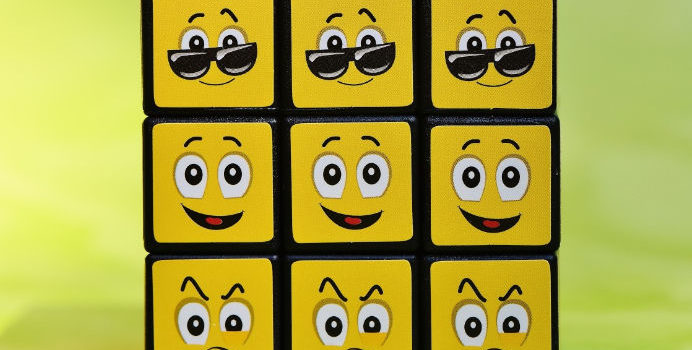

The World's Best Book Summaries
There are a lot of emotions you can feel, and it can be unclear what you’re feeling. Learn what emotion you’re feeling now, with our list of options.
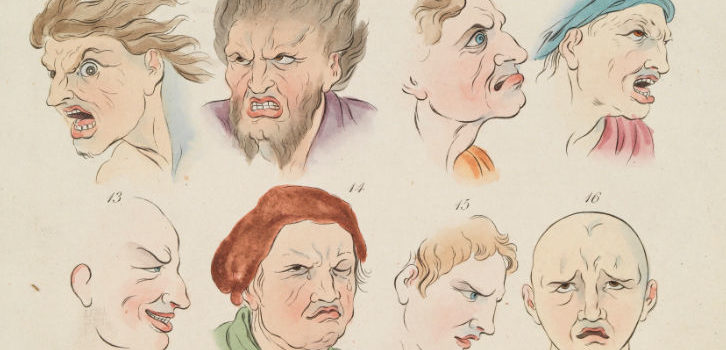
How do emotions change your body and physiology? Your heart rate, your breathing, your eyes, your fists? Learn the physiology of emotions, with plenty of examples.

Are you emotionally self-aware? Do you know what emotions you feel, and why? Learn more about emotional self-awareness from this discussion of emotional intelligence from Daniel Goleman.

Traumatic experiences are hard. Trauma and PTSD can seem insurmountable when you don’t understand your emotional reactions and can’t control them.
Once we’ve learned an emotional response to something, the emotion hardly ever changes or goes away–but we can learn to control that emotion and how we let it affect our actions.

How does trauma and post-traumatic stress disorder change the brain? How does it affect the amygdala and the opioid system?
Emotions are strong impulses that urge us to take immediate action. The root of the word emotion is motere, the Latin verb meaning “to move.” Watch children or animals: they act almost immediately upon getting a feeling, before they know what they’re doing.
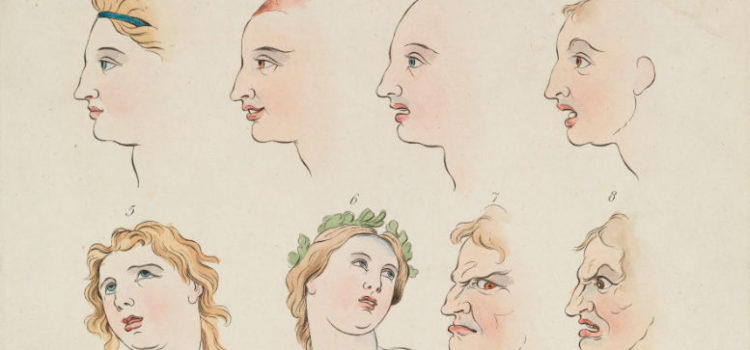
What are temperaments? Why does your emotional temperament matter?
Before undersatnding the four temperaments, let’s take a step back and define emotional responses in general. Emotional reactions can feel very different to us, based on how long they last, how intense they are, and how they affect our bodies.

Have you ever looked back on an emotional response you had and thought, “I don’t know what came over me!” This is what Goleman would refer to as a limbic or emotional hijacking, where the emotional center of your brain takes over without notice. We usually associate it with negative emotions, but it can be positive, too–if you’ve ever laughed uncontrollably and felt like you couldn’t stop, that’s a hijacking.
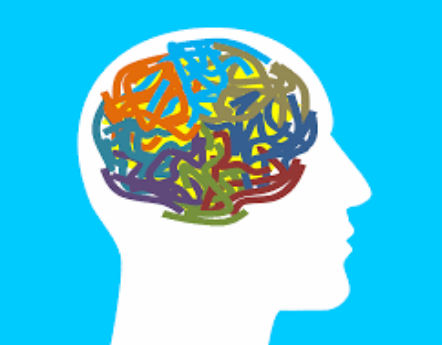
What is the emotional brain? How does it differ from your rational brain, and your automatic brain? We essentially have two minds: a thinking one and a feeling one. Our thinking mind is our rational mind, and for us modern humans this is the one we’re usually more aware of: we can observe our thoughts, reflect on our choices, and we can be aware of our thinking. Our emotional brain, however, starts off more powerful than our rational brain. It’s impulsive and strong, and sometimes irrational. It’s also been neglected by research and exploration up until the recent past, so
What is emotion? Why do we have them? What purpose do emotions have in our lives? What is the point of anger, sadness, jealousy, anxiety, and more?
Many cultures, particularly Western ones, place a lot of emphasis on intelligence as a barometer of success. We’ve even developed tests to measure our intelligence, resulting in a score known as our intelligence quotient, or IQ. But data suggests that IQ only accounts for about 20% of success in life, with the remaining 80% being made up by other factors, emotional intelligence included. And much more research has been done on IQ vs EQ, emotions and emotional intelligence, despite the fact that emotions are hard-wired in the human brain and make us the species we are.