100 Best Cognitive Behavioural Therapy Books of All Time
We've ranked the best cognitive behavioural therapy books using expert recommendations, sales data, and millions of reader ratings. At Shortform, we know books. Our book guides are the best in the world. Learn why.
Man's Search for Meaning has riveted generations of readers with its descriptions of life in Nazi death camps and its lessons for spiritual survival. Between 1942 and 1945 psychiatrist Viktor Frankl labored in four different camps, including Auschwitz, while his parents, brother, and pregnant wife perished. Based on his own experience and the stories of his many patients, Frankl argues that we cannot avoid suffering but we can choose how to cope with it, find meaning in it, and move forward with renewed purpose. Frankl's theory—known as logotherapy, from the Greek word logos ("meaning")—holds that our primary drive in life is not pleasure, as Freud maintained, but the discovery and pursuit of what we personally find meaningful. In the decades since its first publication in 1959, Man's Search for Meaning has become a classic, with more than twelve million copies in print around the world. A 1991 Library of Congress survey that asked readers to name a "book that made a difference in your life" found Man's Search for Meaning among the ten most influential books in America. At once a memoir, a meditation, a treatise, and a history, it continues to inspire us all to find significance in the very act of living. (back cover)
…
Recommended by Tony Robbins, Dustin Moskovitz, Ev Williams, and 60 others.
Another book that I’ve read dozens of times. It taught me that if you change the meaning, you change everything. Meaning equals emotion, and emotion equals life. [source]
Dustin Moskovitz
Co-founder/Facebook and Asana
Dustin Moskovitz recommended this book on Twitter. [source]
I read it while spending ten days in the ICU of Bellevue hospital trying to reattach my finger from a ring avulsion accident in my kitchen. It talks about the meaning of life, and I believe you come out a better person from reading it. [source]
Cover unavailable
2
Cognitive Behavioral Therapy Made Simple: 10 Strategies for Managing Anxiety, Depression, Anger, Panic, and Worry
Seth J. Gillihan PhD
4.5
Cover unavailable
3
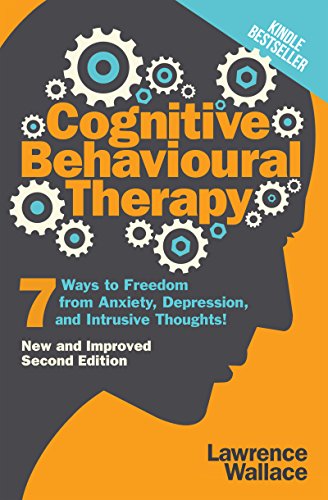
Cognitive Behavioural Therapy: 7 Ways to Freedom from Anxiety, Depression, and Intrusive Thoughts
Lawrence Wallace
4.4
A Practical Guide to Mental and Emotional Freedom! Feeling lost about how to effectively treat disturbing intrusive thoughts? You’re not alone!
This book contains the best advice from a former sufferer of anxiety, depression, and intrusive thoughts. Inspired by compassion, this book is a gift to fellow casualties of negative thought patterns, destructive behaviours, self-loathers, and those wishing freedom from persistent demons. Only by meeting our demons face-to-face can we hope to prevail and achieve inner peace.
Happiness is a trainable, attainable skill! The most proven method for successfully treating mental suffering is CBT. However, there are also complimentary practices coming from Buddhist and Stoic philosophy. This book is aimed at equipping you with the best and most effective techniques for overcoming depression, anxiety, and intrusive thoughts. These are long-term solutions that have stood the test of time and scientific rigour.
Self-compassion is at the heart CBT. Take a chance on this book today!
Exactly What You Will Learn… How To… Understand the Obstacles in Your LifeEmbrace Your Fate in a Loving WayTurn Tragedy into TriumphOpen to Change, Discover Wisdom, and Let GoWise Discernment: Good or Bad Advice?Perform Experiments in the Mind’s Laboratory(P.S. This is the best chapter – feel free to skip ahead!)Being the Mountain for Family, Friends, Community, and Humanity One-Click for a Healthier, Happier Mind!
The good news is that anxiety, guilt, pessimism, procrastination, low self-esteem, and other "black holes" of depression can be cured without drugs. In Feeling Good, eminent psychiatrist, David D. Burns, M.D., outlines the remarkable, scientifically proven techniques that will immediately lift your spirits and help you develop a positive outlook on life. Now, in this updated edition, Dr. Burns adds an All-New Consumer′s Guide To Anti-depressant Drugs as well as a new introduction to help answer your questions about the many options available for treating depression.
- Recognise what causes your mood swings - Nip negative feelings in the bud - Deal with guilt - Handle hostility and criticism - Overcome addiction to love and approval - Build self-esteem - Feel good everyday
…
Cover unavailable
5
Mind Over Mood, Second Edition: Change How You Feel by Changing the Way You Think
Dennis Greenberger
4.3
Discover simple yet powerful steps you can take to overcome emotional distress--and feel happier, calmer, and more confident. This life-changing book has already helped more than 1,000,000 readers use cognitive-behavioral therapy--one of today's most effective forms of psychotherapy--to conquer depression, anxiety, panic attacks, anger, guilt, shame, low self-esteem, eating disorders, substance abuse, and relationship problems. Revised and expanded to reflect significant scientific developments of the past 20 years, the second edition contains numerous new features: expanded content on anxiety; chapters on setting personal goals and maintaining progress; happiness rating scales; gratitude journals; innovative exercises focused on mindfulness, acceptance, and forgiveness; new worksheets; and much more. Mind Over Mood will help you:*Learn proven, powerful, practical strategies to transform your life.*Follow step-by-step plans to overcome depression, anxiety, anger, guilt, and shame.*Set doable personal goals and track your progress (you can photocopy the worksheets from the book or download and print additional copies).*Practice your new skills until they become second nature. Cited as “The Most Influential Cognitive-Behavioral Therapy Publication” by the British Association for Behavioural and Cognitive Psychotherapies and included in the UK National Health Service Bibliotherapy Program.
…
Cover unavailable
6
Cognitive Behavior Therapy: Basics and Beyond
Judith S. Beck
4.3
The leading text for students and practicing therapists who want to learn the fundamentals of cognitive behavior therapy (CBT), this book is eminently practical and authoritative. In a highly accessible, step-by-step style, master clinician Judith S. Beck demonstrates how to engage patients, develop a sound case conceptualization, plan treatment, and structure sessions effectively. Core cognitive, behavioral, and experiential techniques are explicated and strategies are presented for troubleshooting difficulties and preventing relapse. An extended case example and many vignettes and transcripts illustrate CBT in action. Reproducible clinical tools can be downloaded and printed in a convenient 8 1/2" x 11" size.
See also Dr. Beck's Cognitive Therapy for Challenging Problems: What to Do When the Basics Don't Work, which addresses ways to solve frequently encountered problems with patients who are not making progress.
New to This Edition *Reflects over 15 years of research advances and the author's ongoing experience as a clinician, teacher, and supervisor. *Chapters on the evaluation session and behavioral activation. *Increased emphasis on the therapeutic relationship, building on patients' strengths, and homework. *Now even more practical: features reproducibles and a sample case write-up.
…
Cover unavailable
7
The Coddling of the American Mind: How Good Intentions and Bad Ideas Are Setting Up a Generation for Failure
A timely investigation into the campus assault on free speech and what it means for students, education, and our democracy.
The generation now coming of age has been taught three Great Untruths: their feelings are always right; they should avoid pain and discomfort; and they should look for faults in others and not themselves. These three Great Untruths are part of a larger philosophy that sees young people as fragile creatures who must be protected and supervised by adults. But despite the good intentions of the adults who impart them, the Great Untruths are harming kids by teaching them the opposite of ancient wisdom and the opposite of modern psychological findings on grit, growth, and antifragility. The result is rising rates of depression and anxiety, along with endless stories of college campuses torn apart by moralistic divisions and mutual recriminations.
This is a book about how we got here. First Amendment expert Greg Lukianoff and social psychologist Jonathan Haidt take us on a tour of the social trends stretching back to the 1980s that have produced the confusion and conflict on campus today, including the loss of unsupervised play time and the birth of social media, all during a time of rising political polarization.
This is a book about how to fix the mess. The culture of "safety" and its intolerance of opposing viewpoints has left many young people anxious and unprepared for adult life, with devastating consequences for them, for their parents, for the companies that will soon hire them, and for a democracy that is already pushed to the brink of violence over its growing political divisions. Lukianoff and Haidt offer a comprehensive set of reforms that will strengthen young people and institutions, allowing us all to reap the benefits of diversity, including viewpoint diversity.
This is a book for anyone who is confused by what's happening on college campuses today, or has children, or is concerned about the growing inability of Americans to live and work and cooperate across party lines.
The kids aren’t alright. No, really—I know every generation says that, but this time it’s true. Kids who grew up with smartphones (and have begun to enter the university system) are emotionally stunted, overly fragile, and exhibiting mental health issues at alarming rates. I expected this book to be another, “Let’s all shit on social media together,” party, but it’s not. Social media, of course, does get its own chapter. But most of the book is focused on cultural shifts that have happened over the past couple generations. [source]
Max Levchin
Co-founder/PayPal, CEO/Affirm, Investor
Highlights the need to continue to have such discussions about sensitive topics instead of ignoring them for the sake of comfort. [source]
Building on the astonishing success of The Power of Now, Eckhart Tolle presents readers with an honest look at the current state of humanity: He implores us to see and accept that this state, which is based on an erroneous identification with the egoic mind, is one of dangerous insanity.
Tolle tells us there is good news, however. There is an alternative to this potentially dire situation. Humanity now, perhaps more than in any previous time, has an opportunity to create a new, saner, more loving world. This will involve a radical inner leap from the current egoic consciousness to an entirely new one.
In illuminating the nature of this shift in consciousness, Tolle describes in detail how our current ego-based state of consciousness operates. Then gently, and in very practical terms, he leads us into this new consciousness. We will come to experience who we truly are—which is something infinitely greater than anything we currently think we are—and learn to live and breathe freely.
…
Recommended by Abid Zaidi, Aubrey Marcus, Catherine Molloy, and 1 others.
Abid Zaidi
Day 1 : #30Days of posting cover of books I love (1 book a day for 30 days). No expectations, no reviews, just the covers #MyFavouriteBooks Not invited by @rekha_bhardwaj ji or @virtual_opinion but still posting: 😊 https://t.co/rDKfaLADsm [source]
Catherine Molloy
I am an experiential learner I need to see it, feel it, etc. so the book must move me to do something, feel something. With A New Earth I even read snippets to my students as I have experienced a lot of these concepts and write and train in similar concepts. [source]
Patricia Reed
"The Power of Now", by Eckhart Tolle, as well as "A New Earth". Understanding the ego, and being able to separate it from self, is a powerful thing. It has changed my outlook on people and situations, and made me able to see my inner critic for what it is, and choose how I want to engage or respond to situations. [source]

Cover unavailable
9
ACT Made Simple: An Easy-To-Read Primer on Acceptance and Commitment Therapy
Russ Harris
4.2
Now fully-revised and updated, this second edition of ACT Made Simple includes new information and chapters on self-compassion, flexible perspective taking, working with trauma, and more.
Why is it so hard to be happy? Why is life so difficult? Why do humans suffer so much? And what can we realistically do about it? No matter how rewarding your job, as a mental health professional, you may sometimes feel helpless in the face of these questions. You are also well aware of the challenges and frustrations that can present during therapy.
If you’re looking for ways to optimize your client sessions, consider joining the many thousands of therapists and life coaches worldwide who are learning acceptance and commitment therapy (ACT). With a focus on mindfulness, client values, and a commitment to change, ACT is proven-effective in treating depression, anxiety, stress, addictions, eating disorders, schizophrenia, borderline personality disorder (BPD), and myriad other psychological issues. It’s also a revolutionary new way to view the human condition—packed full of exciting new tools, techniques, and strategies for promoting profound behavioral change.
A practical primer, ideal for ACT newcomers and experienced ACT professionals alike, ACT Made Simple offers clear explanations of the six ACT processes and a set of real-world tips and solutions for rapidly and effectively implementing them in your practice. This book gives you everything you need to start using ACT with your clients for impressive results. Inside, you’ll find: scripts, exercises, metaphors, and worksheets to use with your clients; a session-by-session guide to implementing ACT; transcripts from therapy sessions; guidance for creating your own therapeutic techniques and exercises; and practical tips to overcome “therapy roadblocks.”
This book aims to take the complex theory and practice of ACT and make it accessible and enjoyable for therapists and clients.
…
Cover unavailable
10
Buddhist Psychology and Cognitive-Behavioral Therapy: A Clinician's Guide
Dennis Tirch, Laura R. Silberstein-Tirch, et al.
4.2
This user-friendly guide to the basics of Buddhist psychology presents a roadmap specifically designed for cognitive-behavioral therapy (CBT) practitioners. It explains central Buddhist concepts and how they can be applied to clinical work, and features numerous experiential exercises and meditations. Downloadable audio recordings of the guided meditations are provided at the companion website. Essential topics include the relationship between suffering and psychopathology, the role of compassion in understanding and treating psychological problems, and how mindfulness fits into evidence-based psychotherapy practice. The book describes an innovative case conceptualization method, grounded in Buddhist thinking, that facilitates the targeted delivery of specific CBT interventions.
…
Cover unavailable
11
The Comprehensive Clinician's Guide to Cognitive Behavioral Therapy
Leslie Sokol
4.2
Cover unavailable
12
Cognitive Therapy of Depression
Aaron T. Beck, A. John Rush, Brian F. Shaw, Gary Emery
4.2
This bestselling, classic work offers a definitive presentation of the theory and practice of cognitive therapy for depression. Aaron T. Beck and his associates set forth their seminal argument that depression arises from a "cognitive triad" of errors and from the idiosyncratic way that one infers, recollects, and generalizes. From the initial interview to termination, many helpful case examples demonstrate how cognitive-behavioral interventions can loosen the grip of "depressogenic" thoughts and assumptions. Guidance is provided for working with individuals and groups to address the full range of problems that patients face, including suicidal ideation and possible relapse.
…
Cover unavailable
13
The Chimp Paradox: The Mind Management Program to Help You Achieve Success, Confidence, and Happiness
Your inner Chimp can be your best friend or your worst enemy...this is the Chimp Paradox
Do you sabotage your own happiness and success? Are you struggling to make sense of yourself? Do your emotions sometimes dictate your life?
Dr. Steve Peters explains that we all have a being within our minds that can wreak havoc on every aspect of our lives—be it business or personal. He calls this being "the chimp," and it can work either for you or against you. The challenge comes when we try to tame the chimp, and persuade it to do our bidding.
The Chimp Paradox contains an incredibly powerful mind management model that can help you be happier and healthier, increase your confidence, and become a more successful person. This book will help you to:
—Recognize how your mind is working —Understand and manage your emotions and thoughts —Manage yourself and become the person you would like to be
Dr. Peters explains the struggle that takes place within your mind and then shows you how to apply this understanding. Once you're armed with this new knowledge, you will be able to utilize your chimp for good, rather than letting your chimp run rampant with its own agenda.
@TheKurtHester Little know fact this side of the Atlantic: the athlete here is Dr. Steve Peters - very well-known and respected sport psychologist, and author of what I believe to be the best sport psych book for coaches & athletes - ‘The Chimp Paradox’ [source]
Cover unavailable
14
Evidence-Based Practice of Cognitive-Behavioral Therapy, Second Edition
Deborah Dobson and Keith S. Dobson
4.2
From an experienced clinician and a prominent psychotherapy researcher, this book synthesizes the evidence base for cognitive-behavioral therapy (CBT) and translates it into practical clinical guidelines. Therapists and students learn how to implement core CBT techniques, why and how they work, and what to do when faced with gaps in scientific knowledge. Vivid case examples illustrate what evidence-based strategies look like in action with real-world clients who may have multiple presenting problems. The authors also separate CBT myths from facts and discuss ways to manage common treatment challenges.
New to This Edition *Revised throughout to incorporate the latest research, including key meta-analytic studies. *Chapters on clinical techniques have been restructured to be more concise and digestible. *New content on sleep difficulties, reducing avoidance, and motivational interviewing. *A new extended case example runs throughout the book.
…
Cover unavailable
15
Retrain Your Brain: Cognitive Behavioral Therapy in 7 Weeks, A Workbook for Managing Depression and Anxiety
Seth J. Gillihan
4.2
Masterfully written with relatable examples, Cognitive Behavioral Therapy in 7 Weeks allows the reader to quickly connect and feel understood, and offers hope for those who are looking to regain control over their life. —DR. ROBIN ZASIO, Psy. D., LCSW, director of The Anxiety Treatment Center of Sacramento, featured doctor on the A&E series Hoarders
Cognitive Behavioral Therapy (CBT) has proven to be the tipping point through which many people are finally able to make significant changes and break free of anxiety and depression. Cognitive Behavioral Therapy in 7 Weeks is an interactive workbook that outlines a simple, practical plan that occurs over the course of 7 weeks, and offers real, tangible relief from anxiety and depression. This is a cumulative workbook—the work you do each week builds upon that of the last and, ultimately, creates a lasting CBT “tool kit” that will prepare you to handle future challenges as they come.
In his private practice, licensed psychologist Dr. Seth Gillihan specializes in the use of cognitive-behavioral treatment for anxiety and depression. He concentrates on the specific needs of each patient by using the evidence-based, solution-focused treatment principles of CBT—the fundamentals of which at the core of Cognitive Behavioral Therapy in 7 Weeks.
With Cognitive Behavioral Therapy in 7 Weeks you will:
Become familiar with the basic principles of CBT and understand how it works Define specific goals that you’ll work toward over the course of 7 weeks Learn fundamental CBT skills through guided writing exercises that apply to your current, real-life challenges
Cognitive Behavioral Therapy in 7 Weeks is the most comprehensive yet efficient workbook available for using CBT to address anxiety and depression.
…
Cover unavailable
16
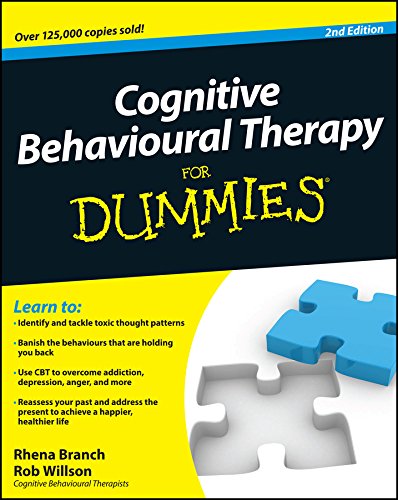
Cognitive Behavioural Therapy for Dummies
Rhena Branch and Rob Willson
4.2
An updated edition of the bestselling guide on reprogramming one's negative thoughts and behaviour Once the province of mental health professionals, CBT (or Cognitive Behavioural Therapy) has gained wide acceptance as the treatment of choice for anyone looking to overcome anxiety, manage anger, beat an addiction, lose weight or simply gain a new outlook on life. Written by two CBT therapists, this bestselling guide helps you apply the principles of CBT in your everyday life-allowing you to spot errors in your thinking; tackle toxic thoughts; refocus and retrain your awareness; and finally, stand up to and become free of the fear, depression, anger, and obsessions that have been plaguing you.
Includes tips on establishing ten healthy attitudes for living as well as ten ways to lighten up Helps you chart a path by defining problems and setting goals Offers advice on taking a fresh look at your past, overcoming any obstacles to progress as well as ways to maintain your CBT gains Includes new and refreshed content, including chapters on how to beat an addiction and overcome body image issues With indispensable advice on finding your way out of the debilitating maze of negative thoughts and actions, the book is brimming with invaluable suggestions that will have even a confirmed pessimist well armed for the journey forward.
…
Cover unavailable
17
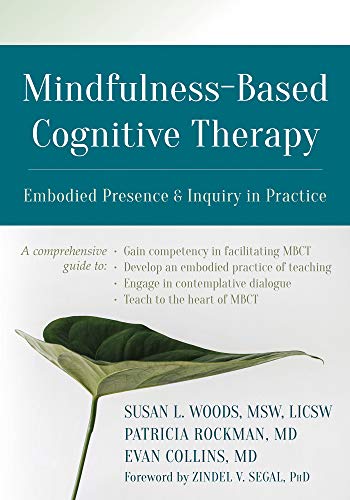
Mindfulness-Based Cognitive Therapy: Embodied Presence and Inquiry in Practice
Susan L. Woods MSWLICSW, Patricia Rockman MD, et al.
4.2
Mindfulness-based cognitive therapy (MBCT) is a powerful, evidence-based treatment for depression and other mental health conditions. This groundbreaking professional book provides clinicians with the essential skills they need to deliver MBCT.
In this book, you’ll discover the foundations of teaching MBCT, guidance on embodied mindful presence (a focused awareness of experience in the moment), the contemplative dialogue known as inquiry, and other strategies for delivering group-based MBCT. You’ll also find scripts, access to audio material, and practice guidelines for you and your clients. Although focused on MBCT, this book can be referenced for use in other mindfulness-based programs.
In addition, you’ll gain the knowledge and confidence you need to effectively deliver MBCT and build the foundations of an embodied practice. The book starts with an overview of the MBCT program, before devoting chapters to the structure and skills required for developing competence and best practice. You’ll deepen your understanding and facility in the most challenging elements of MBCT: mindful embodied presence and inquiry.
You’ll also learn strategies for delivering this therapy to a group; troubleshooting tips; and a chapter on training, mentorship, and maintaining competence. Finally, you’ll find essential information including meditation scripts, tools, and other resources for delivering MBCT.
If you are looking to deepen your practice and ability to teach MBCT, this book—written by renowned MBCT clinicians—is an invaluable addition to your professional library.
…
Cover unavailable
18
Overcoming Unwanted Intrusive Thoughts: A CBT-Based Guide to Getting Over Frightening, Obsessive, or Disturbing Thoughts
Sally M. Winston PsyD
4.2
You are not your thoughts! In this powerful book, two anxiety experts offer proven-effective cognitive behavioral therapy (CBT) skills to help you get unstuck from disturbing thoughts, overcome the shame these thoughts can bring, and reduce your anxiety.
If you suffer from unwanted, intrusive, frightening, or even disturbing thoughts, you might worry about what these thoughts mean about you. Thoughts can seem like messages—are they trying to tell you something? But the truth is that they are just thoughts, and don’t necessarily mean anything. Sane and good people have them. If you are someone who is plagued by thoughts you don’t want—thoughts that scare you, or thoughts you can’t tell anyone about—this book may change your life.
In this compassionate guide, you’ll discover the different kinds of disturbing thoughts, myths that surround your thoughts, and how your brain has a tendency to get “stuck” in a cycle of unwanted rumination. You’ll also learn why common techniques to get rid of these thoughts can backfire. And finally, you’ll learn powerful cognitive behavioral skills to help you cope with and move beyond your thoughts, so you can focus on living the life you want. Your thoughts will still occur, but you will be better able to cope with them—without dread, guilt, or shame.
If you have unwanted thoughts, you should remember that you aren’t alone. In fact, there are millions of people just like you—good people who have awful thoughts, gentle people with violent thoughts, and sane people with “crazy” thoughts. This book will show you how to move past your thoughts so you can reclaim your life!
…
Cover unavailable
19
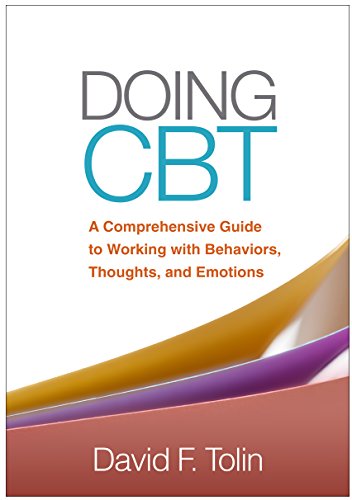
Doing CBT: A Comprehensive Guide to Working with Behaviors, Thoughts, and Emotions
David F. Tolin
4.2
This accessible text and practitioner resource provides a complete introduction to the art and science of cognitive-behavioral therapy (CBT). In a witty, straight-talking style, David F. Tolin explains core concepts and presents effective techniques for addressing the behavioral, cognitive, and emotional elements of psychological problems. Vivid examples of several clients are followed throughout the book, which concludes with three chapter-length case illustrations. Readers gain essential skills for conceptualizing a case, planning treatment, and conducting therapy, from intake to termination. Reproducible forms and worksheets are included; purchasers get access to a Web page where they can download and print all 39 reproducible tools in a convenient 8 1/2" x 11" size.
Pedagogical Features *Numerous engaging sidebars: Try This, The Science Behind It, Adapting the Process, and more. *End-of-chapter Personal Target Worksheets that enable self-practice of core CBT skills. *Quick-reference definitions of key terms.
…
Cover unavailable
20
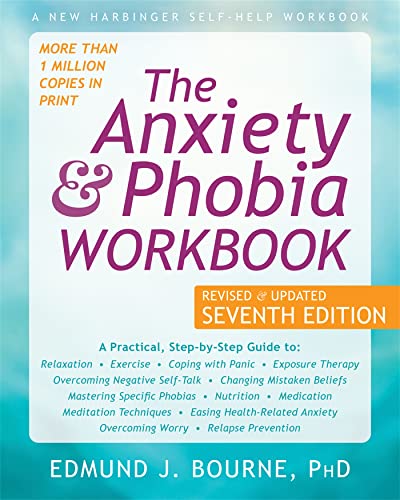
The Anxiety and Phobia Workbook
Edmund J. Bourne PhD
4.2
The Anxiety and Phobia Workbook has already helped over one million readers make a full and lasting recovery from generalized anxiety disorder, social anxiety, specific phobias, panic attacks, obsessive-compulsive disorder, and other anxiety-related issues. Packed with the most effective skills for assessing and treating anxiety, this workbook can be used alone or as a supplement to therapy to help you develop a full arsenal of skills for quieting worried thoughts and putting yourself back in control.
This new edition has been thoroughly updated with the latest anxiety research and medications, and also includes new therapeutic techniques that have been proven effective for the treatment of anxiety and anxiety-related conditions. Each worksheet in this book will help you learn the skills you need to manage your anxiety and start living more freely than you ever thought possible.
With this workbook, you'll learn a range of proven methods for overcoming anxiety, such as relaxation and breathing techniques, challenging negative self-talk and mistaken beliefs, and imagery and real-life desensitization. In addition, you will learn how to make lifestyle, nutrition, and exercise changes and cultivate skills for preventing and coping with and preventing panic attacks.
…
Cover unavailable
21
Dare: The New Way to End Anxiety and Stop Panic Attacks
Barry McDonagh
4.2
DO NOT READ THIS BOOK IF YOU WANT TO JUST "MANAGE" YOUR ANXIETY
There's a new and better way to treat anxiety, but few have ever heard it.
Most people are advised to either just "mange" their anxiety or medicate it away. If you're tired of just managing your anxiety problem, then follow the breakthrough approach explained in Barry McDonagh's latest book DARE.
Based on hard science and years of experience helping people who suffer from anxiety, Barry McDonagh has perfected the way to break free from anxiety and get people back living life to the fullest.
In this daring step-by-step guide you will learn how to:
-Stop panic attacks and end feelings of anxiety.
-Put an end to anxious and intrusive thoughts.
-Face any anxious situation you've been avoiding.
-Exercise and use natural supplements to keep anxiety at bay.
-Regain your confidence and feel like your old self again.
-Live a more bold and daring life!
THIS IS MUCH MORE THAN JUST A BOOK.
It comes with a free App and a powerful community of caring people who support each other as they break free from their anxiety. You can learn more about that at:
http: //www.DareResponse.com
…
Cover unavailable
22
Cognitive Therapy for Chronic Pain, Second Edition: A Step-by-Step Guide
Beverly E. Thorn
4.2
This go-to manual--now revised and significantly expanded with more than 50% new material--has enabled thousands of clinicians to effectively treat clients with chronic pain. In the face of today's growing opioid crisis, pain self-management techniques are needed now more than ever. The volume shows how to implement 10 treatment modules that draw on proven cognitive-behavioral therapy (CBT) strategies. In a convenient large-size format, it includes 58 reproducible client handouts and assessment tools that purchasers can photocopy from the book or download and print from the companion website. The website also offers access to downloadable audio recordings of relaxation exercises narrated by the author, plus supplemental resources for treating clients with lower levels of literacy.
New to This Edition *Incorporates over a decade of important advances in pain research and clinical practice. *Treatment modules that allow clients to enter a group at any point after an introductory session. *Expanded with motivational enhancement, relaxation, and mindfulness techniques. *Many new handouts, assessment tools, and therapist scripts, as well as audio downloads. *Orients and engages clients using state-of-the-art research on how the brain processes pain.
…
Cover unavailable
23
Cognitive Behavioral Therapy: Simple Techniques to Instantly Overcome Depression, Relieve Anxiety, and Rewire Your Brain
Olivia Telford
4.2
https://amzn.to/2KMxYpK
Are self-doubt, depression, and anxiety holding you back?
Are you ready to take charge of your unruly mind once and for all?
Your thoughts make you or break you. How you see yourself and the world shapes your entire life.
To achieve the relationship, career, and lifestyle of your dreams, you need to understand how the human mind really works. That’s where Cognitive Behavioral Therapy (CBT) comes in. It’s a simple but brilliant approach that will show you exactly how your thoughts rule your life.
Millions of people have used CBT to retrain their brains. You can join them today.
In Cognitive Behavioral Therapy, you will discover exactly what you need to do to get over depression, anxiety, and other mental health problems. You will learn how to reinvent yourself, handle everything life throws your way, and find true happiness. It’s safe, drug free, and scientifically proven to work. Using powerful exercises you can do at any time and place, you can choose a brighter future. You will discover:
Why your actions, thoughts, and feelings are intertwined The real reasons you feel depressed How to conquer panic attacks and worry How to release regret and shame forever How to break free from intrusive thoughts and obsessive behavior How to supercharge your communication skills and build better relationships And much, much more
YOU HAVE A CHOICE.
Will you choose to stay stuck in the same old, familiar thought patterns that keep making your life hell? After all, that’s what most people do. It’s called the “comfort zone” for a reason!
Or are you brave enough to take a long, hard look at yourself and retrain your brain for the better? Do you dare make the leap, take back your destiny, and live your best life?
Click the link below to view the book on Amazon!
https://amzn.to/2KMxYpK
…
Cover unavailable
24
Cognitive Therapy of Personality Disorders, Third Edition
Aaron T. Beck, Denise D. Davis, et al.
4.2
This widely used practitioner resource and training tool is the definitive work on understanding and treating personality disorders from a cognitive-behavioral therapy (CBT) perspective. The prominent editors and contributors explain the nature of personality disorders and why they are so challenging to treat. Chapters addressing 12 specific disorders are organized around vivid, instructive clinical examples. The book provides up-to-date scientific knowledge about each disorder and describes effective strategies for differential diagnosis, case conceptualization, implementing individualized CBT interventions, and overcoming roadblocks.
New to This Edition *Incorporates cutting-edge clinical approaches and research; expands the cognitive theory of personality disorder. *Chapters on neural mechanisms, cultural diversity issues, and depressive personality disorder. *Chapters on co-occurring disorders and management of clinical challenges. *Disorder-specific chapters now include sections on key treatment goals, progress and termination, and clinician self-care. *Discusses DSM-5 concepts and diagnostic criteria. *Reviews advances in assessing personality beliefs.
…
Cover unavailable
25
Thirteen Reasons Why
Jay Asher
4.2
You can’t stop the future. You can’t rewind the past. The only way to learn the secret . . . is to press play.
Clay Jensen returns home from school to find a strange package with his name on it lying on his porch. Inside he discovers several cassette tapes recorded by Hannah Baker–his classmate and crush–who committed suicide two weeks earlier. Hannah’s voice tells him that there are thirteen reasons why she decided to end her life. Clay is one of them. If he listens, he’ll find out why.
Clay spends the night crisscrossing his town with Hannah as his guide. He becomes a firsthand witness to Hannah’s pain, and as he follows Hannah’s recorded words throughout his town, what he discovers changes his life forever.
…
Cover unavailable
26
Learning ACT: An Acceptance and Commitment Therapy Skills Training Manual for Therapists
Jason B. Luoma PhD
4.2
Acceptance and commitment therapy (ACT) is among the most remarkable developments in contemporary psychotherapy. This second edition of the pioneering ACT skills-training manual for clinicians provides a comprehensive update—essential for both experienced practitioners and those new to using ACT and its applications.
ACT is a proven-effective treatment for numerous mental health issues, including depression, anxiety, stress, addictions, eating disorders, schizophrenia, borderline personality disorder, and more. With important revisions based on new developments in contextual behavioral science, Learning ACT, Second Edition includes up-to-date exercises and references, as well as material on traditional, evidence-based behavioral techniques for use within the ACT framework.
In this fully revised and updated edition of Learning ACT, you’ll find workbook-format exercises to help you understand and take advantage of ACT’s unique six process model—both as a tool for diagnosis and case conceptualization, and as a basis for structuring treatments for clients. You’ll also find up-to-the-minute information on process coaching, new experiential exercises, an increased focus on functional analysis, and downloadable extras that include role-played examples of the core ACT processes in action. By practicing the exercises in this workbook, you’ll learn how this powerful modality can improve clients’ psychological flexibility and help them to live better lives.
Whether you’re a clinician looking for in-depth training and better treatment outcomes for individual clients, a student seeking a better understanding of this powerful modality, or anyone interested in contextual behavioral science, this second edition provides a comprehensive revision to an important ACT resource.
…
Cover unavailable
27
CBT Toolbox for Children and Adolescents: Over 200 Worksheets & Exercises for Trauma, ADHD, Autism, Anxiety, Depression & Conduct Disorders
Lisa Phifer
4.2
The Definitive Resource on How to Identify, Treat, and Live with a Bipolar Child More than three million American children suffer from some form of bipolar disorder, a life-impairing illness that can cause wild mood swings and even episodes of rage. But as a parent, can you tell the difference between a tempermental, moody child and one facing serious mental illness? Where do you turn if your child's tantrums and meltdowns are wreaking havoc? For families as well as professionals, here is the only book on early- onset bipolar disorder written by pediatric specialists who combine clinical care and research. Health experts once thought bipolar disorder, also known as manic depression, did not exist in children and teens. However, leading experts like Janet Wozniak and Mary Ann McDonnell have shown that the illness may appear even before age six, with many cases either undiagnosed or misdiagnosed as Attention Deficit Hyperactivity Disorder (ADHD). Now, in the most complete and authoritative guide yet, Janet Wozniak, M.D., and psychiatric nurse Mary Ann McDonnell offer their unmatched expertise along with the latest information on this difficult condition. Drawing from their professional experience and sharing stories of families in their practices, the authors guide you in how to: -Navigate the "diagnosis tangle" to ensure accurate identification of the disorder -Communicate effectively with doctors, teachers, and counselors -Find allies and choose a treatment team -Help your family cope In a rapidly changing field, The Bipolar Disorder clearly explains what researchers know, what they suspect, and where studies now point. From medication to coping strategies, this accessible book offers inspiration, encouragement, and invaluable wisdom for all involved. "From the Hardcover edition."
…
Cover unavailable
28
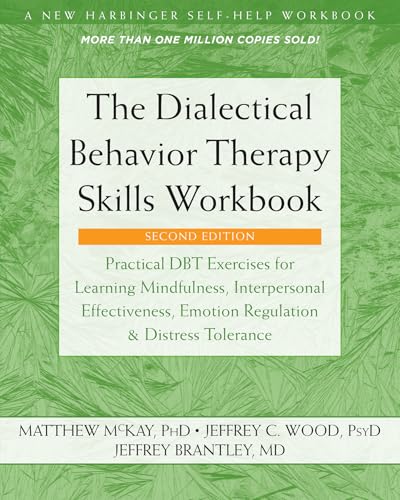
The Dialectical Behavior Therapy Skills Workbook: Practical DBT Exercises for Learning Mindfulness, Interpersonal Effectiveness, Emotion Regulation, and Distress Tolerance
Matthew McKay PhD
4.2
A clear and effective approach to learning evidence-based DBT skills—now in a fully revised and updated second edition.
Do you have trouble managing your emotions? First developed by Marsha M. Linehan for treating borderline personality disorder, dialectical behavior therapy (DBT) has proven effective as treatment for a range of other mental health problems, and can greatly improve your ability to handle distress without losing control and acting destructively. However, to make use of these techniques, you need to build skills in four key areas: distress tolerance, mindfulness, emotion regulation, and interpersonal effectiveness.
The Dialectical Behavior Therapy Skills Workbook, a collaborative effort from three esteemed authors, offers evidence-based, step-by-step exercises for learning these concepts and putting them to work for real and lasting change. Start by working on the introductory exercises and, after making progress, move on to the advanced-skills chapters. Whether you’re a mental health professional or a general reader, you'll benefit from this clear and practical guide to better managing your emotions.
This fully revised and updated second edition also includes new chapters on cognitive rehearsal, distress tolerance, and self-compassion. Once you’ve completed the exercises in this book and are ready to move on to the next level, check out the authors’ new book, The New Happiness Workbook.
This book has been awarded The Association for Behavioral and Cognitive Therapies Self-Help Seal of Merit — an award bestowed on outstanding self-help books that are consistent with cognitive behavioral therapy (CBT) principles and that incorporate scientifically tested strategies for overcoming mental health difficulties. Used alone or in conjunction with therapy, our books offer powerful tools readers can use to jump-start changes in their lives.
Find more help online at elearning.newharbinger.com. New Harbinger Online Learning offers web-based treatment for borderline personality disorder (BPD) and emotion dysregulation based on the book The Dialectical Behavior Therapy Skills Workbook. Other New Harbinger Online Learning modules offer treatment for stress, anxiety, depression, and anger.
…
Cover unavailable
29
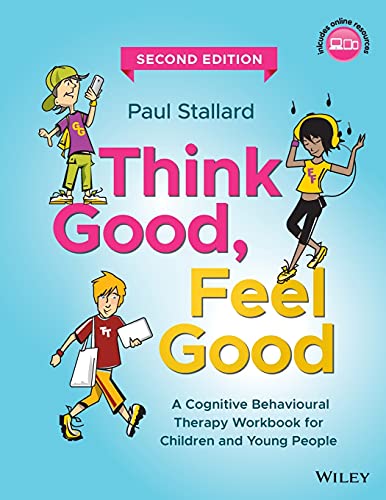
Think Good, Feel Good: A Cognitive Behavioural Therapy Workbook for Children and Young People
Paul Stallard
4.2
Newly updated edition of the highly successful core text for using cognitive behaviour therapy with children and young people
The previous edition of Think Good, Feel Good was an exciting, practical resource that pioneered the way mental health professionals approached Cognitive Behaviour Therapy with children and young people. This new edition continues the work started by clinical psychologist Paul Stallard, and provides a range of flexible and highly appealing materials that can be used to structure and facilitate work with young people. In addition to covering the core elements used in CBT programmes, it incorporates ideas from the third wave CBT therapies of mindfulness, compassion focused therapy and acceptance and commitment therapy. It also includes a practical series of exercises and worksheets that introduce specific concepts and techniques.
Developed by the author and used extensively in clinical practice, Think Good, Feel Good, Second Edition: A CBT Workbook for Children and Young People starts by introducing readers to the origin, basic theory, and rationale behind CBT and explains how the workbook should be used. Chapters cover elements of CBT including identifying thinking traps; core beliefs; controlling feelings; changing behaviour; and more.
Written by an experienced professional with all clinically tested material Fully updated to reflect recent developments in clinical practice Wide range of downloadable materials Includes ideas for third wave CBT, Mindfulness, Compassion Focused Therapy and Acceptance and Commitment Therapy Think Good, Feel Good, Second Edition: A CBT Workbook for Children and Young People is a "must have" resource for clinical psychologists, child and adolescent psychiatrists, community psychiatric nurses, educational psychologists, and occupational therapists. It is also a valuable resource for those who work with young people including social workers, school nurses, practice counsellors, teachers and health visitors.
…
Cover unavailable
30
Values in Therapy: A Clinician’s Guide to Helping Clients Explore Values, Increase Psychological Flexibility, and Live a More Meaningful Life
Jenna LeJeune
4.2
Values in Therapy is a powerful and practical guide for any therapist—chock-full of insight and tools to conceptualize, integrate, and effectively apply values work in-session.
With an emphasis on cultivating meaning and vitality in client lives, the values component of acceptance and commitment therapy (ACT) is what draws many clinicians to the treatment model. Yet, until now, there have been no practical guides available on values-based practice written from an ACT perspective. And while values work may appear deceptively simple, it’s often difficult to effectively carry out in practice. That’s where this comprehensive guide comes in.
Values in Therapy emphasizes the facilitation of specific qualities inherent in effective values conversations, such as vitality, choice, present-focused awareness, and willing vulnerability. This book will help you move away from basic techniques and exercises and toward the nuance and skills you need to do effective values work. You’ll also learn how to use these tools, with detailed scripts for in-session exercises, handouts for clients, homework ideas, assessment and tracking tools, case examples, practical vignettes, and more.
Whether you’re an ACT clinician, or simply looking to incorporate values-based work into your treatment, this essential guide provides everything you need to help clients connect with what really matters to them, so they can live full and meaningful lives.
…
Cover unavailable
31
Cognitive-Behavioral Treatment of Borderline Personality Disorder
Marsha Linehan
4.2
For the average clinician, individuals with borderline personality disorder (BPD) often represent the most challenging, seemingly insoluble cases. This volume is the authoritative presentation of dialectical behavior therapy (DBT), Marsha M. Linehan's comprehensive, integrated approach to treating individuals with BPD. DBT was the first psychotherapy shown in controlled trials to be effective with BPD. It has since been adapted and tested for a wide range of other difficult-to-treat disorders involving emotion dysregulation. While focusing on BPD, this book is essential reading for clinicians delivering DBT to any clients with complex, multiple problems.
Companion volumes: The latest developments in DBT skills training, together with essential materials for teaching the full range of mindfulness, interpersonal effectiveness, emotion regulation, and distress tolerance skills, are presented in Linehan's DBT Skills Training Manual, Second Edition, and DBT Skills Training Handouts and Worksheets, Second Edition. Also available: Linehan's instructive skills training videos for clients--Crisis Survival Skills: Part One, Crisis Survival Skills: Part Two, From Suffering to Freedom, This One Moment, and Opposite Action.
…
Cover unavailable
32
Cognitive Behavioural Therapy Workbook for Dummies
Rhena Branch and Rob Willson
4.2
Dozens of practical exercises and easy to perform techniques for banishing negative thoughts before they take hold Whether you're trying to overcome anxiety and depression, boost self-esteem, beat addiction, lose weight, or simply improve your outlook, cognitive behavioural therapy (CBT) offers a practical, sensible approach to mastering your thoughts and thinking constructively. In this updated and expanded edition of the companion workbook to their bestselling Cognitive Behavioural Therapy For Dummies, professional therapists Rhena Branch and Rob Wilson show you, step-by-step, how to put the lessons provided in their book into practice. Inside you'll find a huge number of hands-on exercises and techniques to help you remove roadblocks to change and regain control over your life.
Cognitive Behavioural Therapy Workbook For Dummies, Second Edition
Develops the ideas and concepts that presented in the bestselling Cognitive Behavioural Therapy For Dummies, Second Edition and provides exercises to put those ideas into practice Features a range of hands-on CBT exercises and techniques for beating anxiety or depression, boosting your self-esteem, losing weight, or simply improving your outlook on life Rhena Branch and Rob Willson are CBT therapists at the Priory Clinic in London, and the authors of Cognitive Behavioural Therapy For Dummies.
…
Cover unavailable
33
A New Guide to Rational Living
Albert Ellis, Robert A. Harper, et al.
4.2
An alternate cover for this isbn can be found here.
"A Guide to Rational Living" provides much sought-after answers for individuals with problems, and it can help everyone to feel better about themselves and to deal with their lives more effectively.
Cover unavailable
34
The Philosophy of Cognitive Behavioural Therapy: Stoic Philosophy as Rational and Cognitive Psychotherapy
Donald Robertson
4.2
Why should modern psychotherapists be interested in philosophy, especially ancient philosophy?
Why should philosophers be interested in psychotherapy?
There is a sense of mutual attraction between what are today two thoroughly distinct disciplines. However, arguably it was not always the case that they were distinct. The author takes the view that by reconsidering the generally received wisdom concerning the history of these closely-related subjects, we can learn a great deal about both philosophy and psychotherapy, under which heading he includes potentially solitary pursuits such as "self-help" and "personal development."
…
Recommended by Jules Evans.
Jules Evans
The founders of CBT were directly inspired by ancient Greek philosophy. Unfortunately, not many people are aware of that connection at all. Even a lot of cognitive therapists are unaware of it. That is partly because Aaron Beck was keen to present CBT as an evidence-based scientific therapy, so the philosophical roots of CBT were somewhat swept under the carpet. Donald’s was really the first book to properly explore the relationship between ancient philosophy and CBT. Donald runs one of the main CBT schools in the UK, and he wonderfully brings together a scientific thoroughness and a scholarly appreciation for the intelligence and beauty of some of the original philosophical material. [source]
Cover unavailable
35
Reinventing Your Life: The Breakthrough Program to End Negative Behavior...and Feel Great Again
Jeffrey E. Young
4.1
Two of America's leading psychologists, Jeffrey E. Young, Ph.D., and Janet S. Klosko, Ph.D., show readers how to free themselves from negative life patterns. Written with compassion as well as clinical insight, this thought-provoking book guides readers through the process of identifying "life traps." For example, "Do you put the needs of others before your own? Are you drawn into relationships with people who are self-centered, cold to you, misunderstand you, or use you? Do you feel inadequate compared to people around you?" Followed by an engaging discussion that makes use of case studies, this book can help people change their lives by stopping the cycle of self-destruction.
…
Cover unavailable
36
Cognitive Therapy and the Emotional Disorders
Aaron T. Beck
4.1
Beck, one of the founders of cognitive therapy, provides a comprehensive guide to its theory and practice.
Cover unavailable
37
Feeling Good Together: The Secret to Making Troubled Relationships Work
David D. Burns M.D.
4.1
Book by Burns M.D., David D.
Cover unavailable
38
The Mindfulness Workbook for OCD: A Guide to Overcoming Obsessions and Compulsions Using Mindfulness and Cognitive Behavioral Therapy
Jon Hershfield MFT
4.1
If you have obsessive-compulsive disorder (OCD), you might have an irrational fear of being contaminated by germs, or obsessively double-check things. You may even feel like a prisoner, trapped with your intrusive thoughts.
Despite the fact that OCD can have a devastating impact on a person’s life, getting real help can be a challenge. If you have tried medications without success, it might be time to explore further treatment options. You should know that mindfulness-based approaches have been proven-effective in treating OCD and anxiety disorders. They involve developing an awareness and acceptance of the unwanted thoughts, feelings, and urges that are at the heart of OCD.
Combining mindfulness practices with cognitive behavioral therapy (CBT), The Mindfulness Workbook for OCD offers practical and accessible tools for managing the unwanted thoughts and compulsive urges that are associated with OCD. With this workbook, you will develop present-moment awareness, learn to challenge your own distorted thinking, and stop treating thoughts as threats and feelings as facts.
…
Cover unavailable
39
Der Kuss des Kjer
Lynn Raven
4.1
Cover unavailable
40
Cognitive Processing Therapy for PTSD: A Comprehensive Manual
Patricia A. Resick
4.1
The culmination of more than 25 years of clinical work and research, this is the authoritative presentation of cognitive processing therapy (CPT) for posttraumatic stress disorder (PTSD). Written by the treatment's developers, the book includes session-by-session guidelines for implementation, complete with extensive sample dialogues and 40 reproducible client handouts. It explains the theoretical and empirical underpinnings of CPT and discusses how to adapt the approach for specific populations, such as combat veterans, sexual assault survivors, and culturally diverse clients. The large-size format facilitates photocopying and day-to-day use. Purchasers also get access to a Web page where they can download and print the reproducible materials.
CPT is endorsed by the U.S. Departments of Veterans Affairs and Defense, the International Society of Traumatic Stress Studies, and the U.K. National Institute for Health and Care Excellence (NICE) as a best practice for the treatment of PTSD.
…
Cover unavailable
41
The Anxiety and Worry Workbook: The Cognitive Behavioral Solution
David A. Clark and Aaron T. Beck
4.1
If you're seeking lasting relief from out-of-control anxiety, this is the book for you. It is grounded in cognitive behavior therapy, the proven treatment approach developed and tested over more than 25 years by pioneering clinician-researcher Aaron T. Beck. Now Dr. Beck and fellow cognitive therapy expert David A. Clark put the tools and techniques of cognitive behavior therapy at your fingertips in this compassionate guide. Carefully crafted worksheets (you can download and print additional copies as needed), exercises, and examples reflect the authors' decades of experience helping people just like you. Learn practical strategies for identifying your anxiety triggers, challenging the thoughts and beliefs that lead to distress, safely facing the situations you fear, and truly loosening anxiety's grip--one manageable step at a time.
Association for Behavioral and Cognitive Therapies (ABCT) Self-Help Book of Merit
…
Cover unavailable
42
Single-Session Therapy (SST): 100 Key Points and Techniques
Windy Dryden
4.1
Cover unavailable
43
The Feeling Good Handbook
David D. Burns
4.1
Make life an exhilarating experience!
With his phenomenally successful Feeling Good: The New Mood Therapy, Dr. David Burns introduced a groundbreaking, drug-free treatment for depression. Now in this long-awaited sequel, he reveals powerful new techniques and provides step-by-step exercises that help you cope with the full range of everyday problems.
• Free from fears, phobias, and panic attacks • Overcome self-defeating attitudes • Discover the five secrets of intimate communication • Put an end to marital conflict • Conquer procrastination and unleash your potential for success With an up-to-date section on everything you need to know about commonly prescribed psychiatric drugs and anxiety disorders such as agoraphobia and obsessive-compulsive disorder, this remarkable guide can show you how to feel good about yourself and the people you care about. You will discover that life can be an exhilarating experience.
…
Cover unavailable
44
Cognitive Behavioral Group Therapy: Challenges and Opportunities
Ingrid Sochtin
4.1
This is a complete guide to implementing cognitive behavioral group therapy across a range of mental health contexts. It presents evidence-based protocols for key psychological disorders and innovative solutions for common problems related to group therapy.
Cover unavailable
45
Cognitive Therapy Techniques, First Edition: A Practitioner's Guide
Robert L. Leahy
4.1
A proven clinical resource, this book is packed with useful tools and interventions that will expand the repertoire of novice and experienced cognitive therapists. Detailed are the full variety of evidence-based techniques that can be brought to bear on specific client problems and therapeutic challenges. Therapists will rediscover--or learn for the first time--a wealth of effective ways to identify and challenge thoughts and core beliefs; modify patterns of worry, self-criticism, and approval-seeking; evaluate personal schemas; intervene in emotional processes; and activate new experiences for the client. Each technique is thoroughly described in Robert L. Leahy's trademark accessible style and illustrated with vivid case examples. Designed in a convenient large-size format, the book is bursting with 88 reproducible client forms and handouts.
…
Cover unavailable
46
The Clinician's Guide to Supporting Parents with Acceptance and Commitment Therapy: Methods and Techniques for Improving Parent-Child Interactions
Koa Whittingham
4.1
The Clinician's Guide to Supporting Parents with Acceptance and Commitment Therapy: Methods and Techniques for Improving Parent-Child Interactions provides mental health practitioners with targeted acceptance and commitment therapy (ACT) methods and techniques for working with parents. Written to suit clinicians with varying levels of experience with ACT, the book outlines clinical strategies for supporting parental mental health and well-being, optimizing sensitive parent-child interactions, assisting parents effectively and consistently in managing behavioral problems, and optimizing child development across various domains including socioeconomic, cognitive and relational development and academic achievement.
The book also outlines how ACT can be used in conjunction with established parenting approaches, discusses adaptations of ACT for specific populations, and includes access to a companion website that features practical tools, such as patient hand-outs and clinical tip sheets.
Provides detailed clinical guidance on the use of ACT processes in parenting Applies ACT strategies to infancy, early/middle childhood and adolescence Covers adaptations of ACT for specific populations and clinical situations Outlines the use of ACT with established parenting approaches and theoretical frames Features clinical examples and exercises throughout Includes access to a companion website with patient handouts, clinical tip sheets, and more
…
Cover unavailable
47
CBT Toolbox for Depressed, Anxious & Suicidal Children and Adolescents: Over 220 Worksheets and Therapist Tips to Manage Moods, Build Positive Coping Skills & Develop Resiliency
David Pratt
4.1
Cover unavailable
48
Designing Your Life: How to Build a Well-Lived, Joyful Life
At last, a book that shows you how to build--"design"--a life you can thrive in, at any age or stage Designers create worlds and solve problems using design thinking. Look around your office or home--at the tablet or smartphone you may be holding or the chair you are sitting in. Everything in our lives was designed by someone. And every design starts with a problem that a designer or team of designers seeks to solve. In this book, Bill Burnett and Dave Evans show us how design thinking can help us create a life that is both meaningful and fulfilling, regardless of who or where we are, what we do or have done for a living, or how young or old we are. The same design thinking responsible for amazing technology, products, and spaces can be used to "design and build "your career and your life, a life of fulfillment and joy, constantly creative and productive, one that always holds the possibility of surprise.
…
Recommended by Darrah Brustein.
Darrah Brustein
Another is Designing Your Life by two Stanford professors who teach a course on how to create your life. I deeply believe in the necessity and purpose of this, and the book had actionable tools to help me get there in a moment where I was rejiggering my path. [source]
Cover unavailable
49
Feeling Better: CBT Workbook for Teens: Essential Skills and Activities to Help You Manage Moods, Boost Self-Esteem, and Conquer Anxiety
PhD Rachel Hutt
4.1
Cover unavailable
50
Build a Better Brain: Using Neuroplasticity to Train Your Brain for Motivation, Discipline, Courage, and Mental Sharpness
Peter Hollins
4.1
Cover unavailable
51
Cognitive Therapy of Anxiety Disorders: Science and Practice
David A. Clark and Aaron T. Beck
4.1
Updating and reformulating Aaron T. Beck's pioneering cognitive model of anxiety disorders, this book is both authoritative and highly practical. The authors synthesize the latest thinking and empirical data on anxiety treatment and offer step-by-step instruction in cognitive assessment, case formulation, cognitive restructuring, and behavioral intervention. They provide evidence-based mini-manuals for treating the five most common anxiety disorders: panic disorder, social phobia, generalized anxiety disorder, obsessive-compulsive disorder, and posttraumatic stress disorder. User-friendly features include vivid case examples, concise "Clinician Guidelines" that reinforce key points, and over three dozen reproducible handouts and forms.
Winner--American Journal of Nursing Book of the Year Award!
…
Cover unavailable
52
The CBT Toolbox: A Workbook for Clients and Clinicians
Jeff Riggenbach
4.1
Cognitive Behavior Therapy (CBT)
Cover unavailable
53
An Introduction to Cognitive Behaviour Therapy: Skills and Applications
David Westbrook, Helen Kennerley, Joan Kirk
4.1
An Introduction to Cognitive Behaviour Therapy is the definitive beginner's guide to the basic theory, skills and applications of CBT.
In this eagerly-awaited second edition, the authors set out the core concepts and generic skills of CBT, including case formulation; the therapeutic relationship; and cognitive, behavioural and physiological therapeutic strategies. Practical illustrations of how these techniques can be applied to the most common mental health problems ensure that theory translates into real-life practice. New to this edition, the authors examine:
ocultural diversity in greater depth
othe current topicality of CBT, especially within the NHS
olatest Roth/Pilling CBT competencies
othe impact of third wave CBT in more detail.
As well as exploring depression, panic and agoraphobia, OCD and anxiety disorders, the book covers other less common disorders. Discussion of different methods of delivery includes work with individuals, groups, couples and families. This edition also includes extra case study material, student exercises and discussion points.
This fully updated Introduction remains the key textbook for those coming to CBT for the first time, whether on training courses or as part of their everyday work. It is also useful for more experienced therapists wanting to refresh their core skills.
…
Cover unavailable
54
CBT for Anxiety: A Step-By-Step Training Manual for the Treatment of Fear, Panic, Worry and Ocd
Kimberly Morrow
4.1
Cover unavailable
55
Cognitive Behavioral Therapy for Christians with Depression: A Practical Tool-Based Primer
Michelle Pearce PhD
4.1
Does religion belong in psychotherapy?
For anyone in the helping profession, whether as mental health professionals or religious leaders, this question is bound to arise. Many mental health professionals feel uncomfortable discussing religion, while many religious leaders feel uncomfortable referring their congregants to professionals who have no knowledge of their faith, nor intent to engage with it.
And yet Michelle Pearce, PhD, assistant professor and clinical psychologist at the Center for Integrative Medicine at the University of Maryland, argues that if religion is important to a client, then religion will be a part of psychotherapy, whether it is discussed or not. Clients cannot check their values at the door any more than the professionals who treat them.
To Pearce, the question isn’t really “does religion belong?” but rather “how can mental health professionals help their religious clients engage with and use their faith as a healing resource in psychotherapy?”
Cognitive Behavioral Therapy for Christian Clientswith Depression is the answer to that question, as the book’s purpose is to educate mental health professionals and pastoral counselors about religion’s role in therapy, as well as equip them to discuss religious issues and use evidence-based, religiously-integrated tools with Christian clients experiencing depression.
In this book, readers will find the following resources in an easy-to-use format: An overview of the scientific benefits of integrating clients’ religious beliefs and practices in psychotherapy An organizing therapeutic approach for doing Christian CBT
Seven tools, specific to Christian CBT, to treat depression
Suggested dialogue for therapists to introduce concepts and tools
Skill-building activity worksheets for clients
Clinical examples of Christian CBT and the seven tools in action Practitioners will learn the helpful (and sometimes not so helpful) role a person’s Christian faith can play in psychotherapy, and will be equipped to discuss religious issues and use religiously-integrated tools in their work. At the same time, clergy will learn how Christianity can be integrated into an evidence-based secular mental health treatment for depression, which is sure to increase their comfort level for making referrals to mental health practitioners who provide this form of treatment.
Cognitive Behavioral Therapy for Christian Clients with Depression is a practical guide for mental health professionals and pastoral counselors who want to learn how to use Christian-specific CBT tools to treat depression in their Christian clients.
…
Cover unavailable
56
Anxiety Disorders and Phobias: A Cognitive Perspective
Aaron Beck, Gary Emery, Ruth Greenberg
4.1
At the forefront of the cognitive revolution, renowned psychiatrist Aaron T. Beck turned to information processing in order to understand the sources, consequences, and cures of anxiety disorders and phobias. In the first half of this classic text, Beck elaborates on the clinical picture of anxiety disorders and phobias and presents an explanatory model to account for the rich complexity of these phenomena. Cognitive psychologist Gary Emery then details the therapeutic principles, strategies, and tactics developed on the basis of the cognitive model of anxiety disorders and phobias.This fifteenth anniversary edition of the foundational work on cognitive therapy features a new introduction by Beck, in which he offers an up-to-date appraisal of the current state of cognitive therapy and its application to the treatment of phobias and anxiety.
…
Cover unavailable
57
The Little Book of Mindfulness: 10 Minutes a Day to Less Stress, More Peace
Patrizia Collar
4.1
Mindfulness is the easy way to gently let go of stress and be in the moment. It has fast become the slow way to manage the modern world - without chanting mantras or finding hours of special time to meditate.
Bring these simple 5- and 10-minute practices into your day to find freedom from stress and ultimately, more peace in your life.
Cover unavailable
58
Process-Based CBT: The Science and Core Clinical Competencies of Cognitive Behavioral Therapy
Steven C. Hayes PhD and Stefan G. Hofmann PhD
4.1
Edited by Steven C. Hayes and Stefan G. Hofmann, and based on the new training standards developed by the Inter-Organizational Task Force on Cognitive and Behavioral Psychology Doctoral Education, this groundbreaking textbook presents the core competencies of cognitive behavioral therapy (CBT) in an innovative, practically applicable way, with contributions from some of the luminaries in the field of behavioral science.
CBT is one of the most proven-effective and widely used forms of psychotherapy today. But while there are plenty of books that provide an overview of CBT, this is the first to present the newest recommendations set forth by a special task force of the Association for Behavioral and Cognitive Therapies—and that focuses on the application of these interventions based on a variety of approaches for doctoral-level education and training. Starting with an exploration of the science and theoretical foundations of CBT, then moving into a thorough presentation of the clinical processes, this book constitutes an accessible, comprehensive guide to grasping and using even the most difficult competencies.
Each chapter of Process-Based CBT is written by a leading authority in that field, and their combined expertise presents the best of behavior therapy and analysis, cognitive therapy, and the acceptance and mindfulness therapies. Most importantly, in addition to gaining an up-to-date understanding of the core processes, with this premiere text you’ll learn exactly how to put them into practice for maximum efficacy.
For practitioners, researchers, students, instructors, and other professionals working with CBT, this breakthrough textbook—poised to set the standard in coursework and training—provides the guidance you need to fully comprehend and utilize the core competencies of CBT in a way that honors the behavioral, cognitive, and acceptance and mindfulness wings of the tradition.
…
Cover unavailable
59
Change Your Thinking: Overcome Stress, Anxiety, and Depression, and Improve Your Life with CBT
Sarah Edelman PhD
4.1
Practicing psychologist Sarah Edelman clearly lays out how to use CBT to develop rational thought patterns in response to upsetting emotions and situations. By following the practical, easy-to-follow exercises and examples, you can take control of your thoughts, emotions, and feelings, and find more positive ways of dealing with life’s hurdles - and a happier you. Change Your Thinking will teach you how to fight negative and self-defeating beliefs to minimize your experience of upsetting emotions.
Recognize “thinking errors” that cause you unnecessary distress.
Learn how to dispute thinking errors with your behavior and rational thoughts.
Prevent negative thoughts and emotions from occurring.
Acknowledge and face the obstacles that prevent you from obtaining your goals.
Achieve a more balanced and happier life.
Whether you’re faced with overwhelming feelings of worthlessness, frustration, anger, depression, or anxiety, CBT can help you change your thinking and make a difference in your life - beginning today.
…
Cover unavailable
60
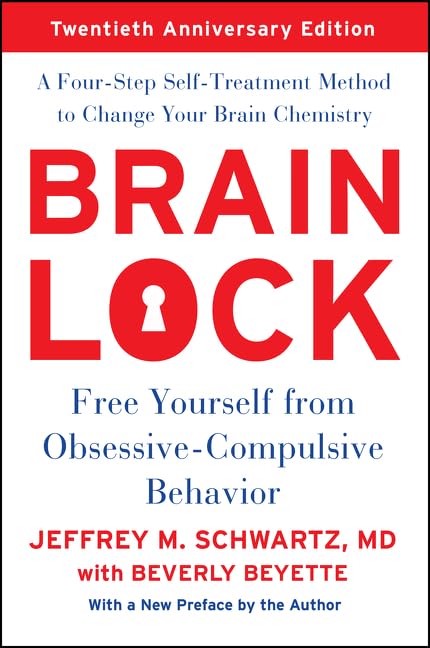
Brain Lock: Free Yourself from Obsessive-Compulsive Behavior
Jeffrey M. Schwartz
4.1
The 20th anniversary edition of the definitive classic on defeating obsessive-compulsive behavior, with all-new material from the author.
An estimated 5 million Americans suffer from obsessive-compulsive disorder (OCD) and live diminished lives in which they are compelled to obsess about something or to repeat a similar task over and over. Traditionally, OCD has been treated with Prozac or similar drugs. The problem with medication, aside from its cost, is that 30 percent of people treated don't respond to it, and when the pills stop, the symptoms invariably return.
In Brain Lock, Jeffrey M. Schwartz, M.D., presents a simple four-step method for overcoming OCD that is so effective, it's now used in academic treatment centers throughout the world. Proven by brain-imaging tests to actually alter the brain's chemistry, this method doesn't rely on psychopharmaceuticals. Instead, patients use cognitive self-therapy and behavior modification to develop new patterns of response to their obsessions. In essence, they use the mind to fix the brain.
Using the real-life stories of actual patients, Brain Lock explains this revolutionary method and provides readers with the inspiration and tools to free themselves from their psychic prisons and regain control of their lives.
…
Cover unavailable
61
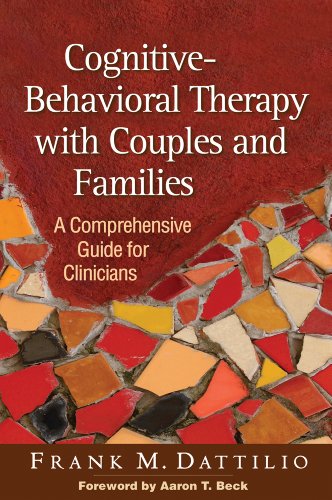
Cognitive-Behavioral Therapy with Couples and Families: A Comprehensive Guide for Clinicians
Frank M. Dattilio and Aaron T. Beck
4.1
From a leading expert in cognitive-behavioral therapy and couple and family therapy, this comprehensive guide combines research and clinical wisdom. The author shows how therapeutic techniques originally designed for individuals have been successfully adapted for couples and families struggling with a wide range of relationship problems and stressful life transitions. Vivid clinical examples illustrate the process of conducting thorough assessments, implementing carefully planned cognitive and behavioral interventions, and overcoming roadblocks. Used as a practitioner resource and text worldwide, the book highlights ways to enhance treatment by drawing on current knowledge about relationship dynamics, attachment, and neurobiology. Cultural diversity issues are woven throughout.
See also Dattilio's edited volume, Case Studies in Couple and Family Therapy, which features case presentations from distinguished practitioners plus commentary from Dattilio on how to integrate systemic and cognitive perspectives.
…
Cover unavailable
62
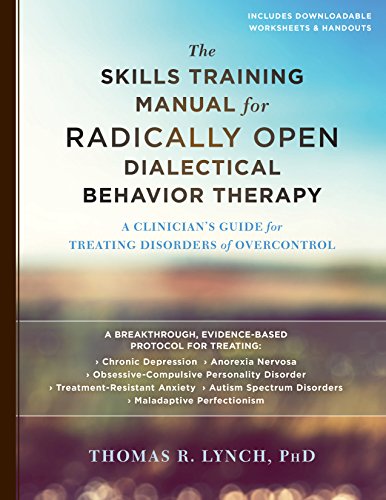
The Radically Open Dialectical Behavior Therapy Skills Training Manual: A Clinician's Guide for Treating Disorders of Overcontrol
Thomas R. Lynch PhD FBPsS
4.1
Radically open-dialectical behavior therapy (RO-DBT) is a groundbreaking, transdiagnostic treatment model for clients with difficult-to-treat overcontrol (OC) disorders, such as anorexia nervosa, chronic depression, and obsessive-compulsive disorder (OCD). Written by the founder of RO-DBT, Thomas Lynch, this is the first and only session-by-session training manual to help you implement this evidence-based therapy in your practice.
As a clinician, you re familiar with dialectical behavioral therapy (DBT) and its success in treating clients with emotion dysregulation disorders. But what about clients with overcontrol disorders? OC has been linked to social isolation, aloof and distant relationships, cognitive rigidity, risk aversion, a strong need for structure, inhibited emotional expression, and hyper-perfectionism. And yet perhaps due to the high value our society places on the capacity to delay gratification and inhibit public displays of destructive emotions and impulses problems linked with OC have received little attention or been misunderstood. Indeed, people with OC are often considered highly successful by others, even as they suffer silently and alone.
RO-DBT is based on the premise that psychological well-being involves the confluence of three factors: receptivity, flexibility, and social-connectedness. RO-DBT addresses each of these important factors, and is the first treatment in the world to prioritize social-signaling as the primary mechanism of change based on a transdiagnostic, neuroregulatory model linking the communicative function of human emotions to the establishment of social connectedness and well-being. As such, RO-DBT is an invaluable resource for treating an array of disorders that center around overcontrol and a lack of social connectedness such as anorexia nervosa, chronic depression, postpartum depression, treatment-resistant anxiety disorders, autism spectrum disorders, as well as personality disorders such as avoidant, dependent, obsessive-compulsive, and paranoid personality disorder.
In this training manual, you ll find an outline of RO-DBT, including history, research, and how it differs from traditional DBT. You ll also find a session-by-session RO-DBT outpatient treatment protocol, with sections that outline the weekly, one-hour individual therapy sessions and weekly two-and-a-half hour skills training classes that occur over a period of approximately thirty weeks. This includes instructor guidelines and user-friendly worksheets.
The feasibility, acceptability, and efficacy of RO-DBT is evidence-based and informed by over twenty years of translational treatment development research. This important manual along with its companion book, Radically-Open Dialectical Behavior Therapy (available separately), distills the essential components of RO-DBT into a workable program you can start using right away to improve treatment outcomes for clients suffering with OC.
"
…
Cover unavailable
63
CBT Workbook for Kids: 40+ Fun Exercises and Activities to Help Children Overcome Anxiety & Face Their Fears at Home, at School, and Out in the World
Heather Davidson Psy.D BCN
4.1
Cover unavailable
64
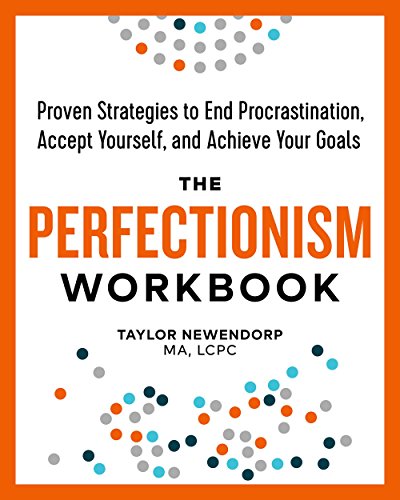
The Perfectionism Workbook: Proven Strategies to End Procrastination, Accept Yourself, and Achieve Your Goals
Taylor Newendorp MA LCPC
4.1
Cover unavailable
65
Willow
Julia Hoban
4.1
Seven months ago on a rainy March night, Willow's parents drank too much wine at dinner and asked her to drive them home. But they never made it--Willow lost control of the car, and both of her parents were killed.
Now seventeen, Willow is living with her older brother, who can barely speak to her. She has left behind her old home, friends, and school. But Willow has found a way to survive, to numb the new reality of her life: She is secretly cutting herself.
And then she meets Guy, a boy as sensitive and complicated as she is. When Guy discovers Willow's secret, he pulls her out of the solitary world she's created for herself, and into a difficult, intense, and potentially life-changing relationship.
Julia Hoban has created an unflinching story about cutting, grieving, and starting anew. But above all, she has written an unforgettable tale of first love.
…
Cover unavailable
66
Behavioral Activation for Depression: A Clinician's Guide
Christopher R. Martell, Sona Dimidjian, Ruth Herman-Dunn, Peter M. Lewinsohn
4.1
From leading experts with a decade of experience in research and clinical practice in behavioral activation (BA), this book provides empirically tested tools for helping clients overcome depression by becoming active and engaged in their lives. BA is a stand-alone treatment whose principles can be integrated easily with other approaches that therapists already use. Guidelines are presented for identifying individualized treatment targets, monitoring and scheduling “antidepressant” activities—experiences that are likely to be rewarding and pleasurable—and decreasing avoidance and ruminative thinking. Rich clinical illustrations include an extended case example that runs throughout the book. More than 20 activity planning forms, worksheets, and other reproducible materials are featured.
…
Cover unavailable
67
Cognitive Behavioral Therapy Made Simple: Most Effective Tips and Tricks to Retraining Your Brain, Managing and Overcoming Stress, Anxiety, Phobias, Depression, ... Intelligence and Soft Skills Book 3)
Daniel Anderson
4.1
Cover unavailable
68
Self-Esteem: A Proven Program of Cognitive Techniques for Assessing, Improving, and Maintaining Your Self-Esteem
Matthew McKay PhD and Patrick Fanning
4.1
If you struggle with low self-esteem, or you’re seeking positive and effective ways of building a healthy sense of self-worth, this much-anticipated fourth edition of the best-selling classic by Matthew McKay is your go-to guide. This fully revised edition features an innovative application of acceptance and commitment therapy (ACT) to self-esteem, and utilizes updated cognitive behavioral therapy (CBT) to help you create positive change and thrive.
Circumstances and status can affect self-esteem—many factors can contribute to the way we see ourselves—but the one contributing factor that all people who struggle with low self-esteem have in common is our thoughts. Of course we all have a better chance of feeling good about ourselves when things are going well, but it’s really our interpretation of our circumstances that can cause trouble, regardless of what they are.
This revised and updated fourth edition of the best-selling Self-Esteem uses proven-effective methods of CBT and relevant components of ACT to help you raise low self-esteem by working on the way you interpret your life. You’ll learn how to differentiate between healthy and unhealthy self-esteem, how to uncover and analyze negative self-statements, and how to create new, more objective and positive self-statements to support your self-esteem rather than undermine it. And with cutting-edge material on defusion and values, you’ll learn to let go of judgmental, self-attacking thoughts and act in accordance with what matters to you most, enhancing your sense of self-worth.
If you struggle with low or unhealthy self-esteem, this new edition of Self-Esteem, packed with evidence-based tips and techniques, has everything you need to improve the way you see yourself for better overall well-being.
…
Cover unavailable
69
Overcoming Harm OCD: Mindfulness and CBT Tools for Coping with Unwanted Violent Thoughts
Jon Hershfield MFT
4.1
Don’t let your thoughts and fears define you. In Overcoming Harm OCD, psychotherapist Jon Hershfield offers powerful cognitive behavioral therapy (CBT) and mindfulness tools to help you break free from the pain and self-doubt caused by harm OCD.
Do you suffer from violent, unwanted thoughts and a crippling fear of harming others? Are you afraid to seek treatment for fear of being judged? If so, you may have harm OCD—an anxiety disorder associated with obsessive-compulsive disorder (OCD). First and foremost, you need to know that these thoughts do not define you as a human being. But they can cause a lot of real emotional pain. So, how can you overcome harm OCD and start living a better life?
Written by an expert in treating harm OCD, this much-needed book offers a direct and comprehensive explanation of what harm OCD is and how to manage it. You’ll learn why you have unwanted thoughts, how to identify mental compulsions, and find an overview of cognitive-behavioral and mindfulness-based treatment approaches that can help you reclaim your life. You’ll also find tips for disclosing violent obsessions, finding adequate professional help, and working with loved ones to address harm OCD systemically. And finally, you’ll learn that your thoughts are just thoughts, and that they don’t make you a bad person.
If you have harm OCD, it’s time to move past the stigma and start focusing on solutions. This evidence-based guide will help light the way.
This book has been selected as an Association for Behavioral and Cognitive Therapies Self-Help Book Recommendation—an honor bestowed on outstanding self-help books that are consistent with cognitive behavioral therapy (CBT) principles and that incorporate scientifically tested strategies for overcoming mental health difficulties. Used alone or in conjunction with therapy, our books offer powerful tools readers can use to jump-start changes in their lives.
…
Cover unavailable
70
The Sleep Workbook: Easy Strategies to Break the Anxiety-Insomnia Cycle
Renata Alexandre PhD APRN
4.1
Conquer anxiety-induced insomnia with your mind—a workbook for rethinking sleep
If you are among the 1/3 of adults in the United States dealing with the vicious cycle of chronic sleep disruption, you can put your worries to bed. The Sleep Workbook uses the scientifically proven Cognitive Behavioral Therapy for Insomnia (CBT-I) to change your thinking, improve your life, and help you get a good night’s rest.
By following easy-to-understand and easy-to-follow steps, you can reduce anxiety, change detrimental sleep habits, and sleep more easily. CBT-I can help you make measurable positive changes, boost your confidence, and have more energy to do the things that matter. Before turning to options like sleeping pills, take the time to understand your insomnia and change the things you have full control over—your thoughts and behavior.
The Sleep Workbook contains:
- Personal experience: Use self-assessments, journal prompts, and self-reflective questions to fully grasp your underlying issues. - Success rate: About 80% of people who complete CBT-I show long-term sleep improvement. - A stronger you: As you learn to combat anxiety and other types of mood disorders, you’ll likely increase your self-confidence because you were able to help yourself.
No more counting sheep for you! Break the sleepless nights and start your days refreshed.
…
Cover unavailable
71
Cognitive Behavioral Therapy: Techniques for Retraining Your Brain
Jason M. Satterfield
4.1
Why is it so hard to lose weight, stop smoking, or establish healthy habits? Why do couples argue about the same issues over and over? Why do so many people lie awake at night, stricken with worry and anxiety? Why is it so difficult to come to terms with a loved one's death, even if it's after a long illness?
The answers to these questions - and the path to lasting change in your life - lie in cognitive behavioral therapy (CBT), a well-tested collection of practical techniques for managing moods and modifying undesirable behaviors through self-awareness, critical analysis, and goal-oriented change. CBT illuminates the links between thoughts, emotions, behaviors, and physical health and uses those connections to develop concrete plans for self-improvement. Built on a solid foundation of neurological and behavioral research, CBT is an approach almost anyone can use for promoting greater mental health and improving quality of life.
In 24 engaging half-hour lectures, you'll build a robust and effective self-improvement toolkit with the expert guidance of Professor Satterfield of the University of California, San Francisco. You will explore CBT's roots in Socratic and stoic philosophy, build a toolkit of CBT techniques, and hear about the latest research about its outcomes. Additionally this intriguing and practical course allows you to take on the role of medical student, physician, psychologist, and patient.
Throughout the course you'll explore issues that cause people to seek out therapy. In some cases you'll get to hear Dr. Satterfield working with a patient, and in others you'll be delving into research to find what causes issues and how CBT helps to resolve them.
Everyone has something about their life that they would like to improve. With the tools in CBT and the desire to make your situation better, you can create lasting change in your life.
…
Cover unavailable
72
The Anxiety, Worry & Depression Workbook
Jennifer L Abel
4.0
Cover unavailable
73
Managing Social Anxiety, Therapist Guide: A Cognitive-Behavioral Therapy Approach. Third edition
Debra A. Hope, Richard G. Heimberg, et al.
4.0
Social anxiety is a common and potentially disabling problem that can occur in situations ranging from dating to conversations to job interviews. Fortunately, three decades of research have shown that most people struggling with social anxiety can benefit from the cognitive-behavioral intervention described in Managing Social Anxiety.
The third edition of this Therapist Guide represents the latest update of the gold-standard psychosocial intervention for social anxiety. The guide provides foundational information on the nature of social anxiety and the empirically supported cognitive-behavioral techniques used to treat it, how best to implement these techniques, and how to deal with challenges that arise during treatment. New to this edition are updated procedures and background reflecting current science and clinical findings, a greater emphasis on a multicultural approach to practice, and more attention to client goals. The step-by-step approach detailed in Managing Social Anxiety is easy for beginning therapists to implement, and offers many practical recommendations to help clients successfully engage with the treatment. More experienced therapists will find useful strategies for challenging cases and expert guidance on fine-tuning their approach.
…
Cover unavailable
74
Love Is Never Enough: How Couples Can Overcome Misunderstandings, Resolve Conflicts, and Solve Relationship Problems Through Cognitive Therapy
Aaron T. Beck M.D.
4.0
Cover unavailable
75
Cognitive Behavioral Therapy Course Made Simple: Overcome Anxiety, Insomnia & Depression, Break Negative Thought Patterns, Maintain Mindfulness, and Retrain Your Brain through Effective Psychotherapy
Daniel Wallaces
4.0
Cover unavailable
76
Learning Cognitive-Behavior Therapy: An Illustrated Guide
Jesse H. Wright, Monica Ramirez Basco, Michael E. Thase
4.0
This updated, second edition also features ways to employ CBT to reduce suicide risk and tips on integrating therapies related to CBT -- including dialectical behavior therapy, mindfulness-based cognitive therapy, and well-being therapy.
Cover unavailable
77
Ten Days to Self-Esteem
David D Burns M.D.
4.0
Do you wake up dreading the day? Do you feel discouraged with what you've accomplished in life? Do you want greater self-esteem, productivity, and joy in daily living?
If so, you will benefit from this revolutionary way of brightening your moods without drugs or lengthy therapy. All you need is your own common sense and the easy-to-follow methods revealed in this book by one of the country's foremost authorities on mood and personal relationship problems.
In Ten Days to Self-esteem, Dr. David Burns presents innovative, clear, and compassionate methods that will help you identify the causes of your mood slumps and develop a more positive outlook on life. You will learn that
You feel the way you think: Negative feelings like guilt, anger, and depression do not result from the bad things that happen to you, but from the way you think about these events. This simple but revolutionary idea can change your life!
You can change the way you feel: You will discover why you get depressed and learn how to brighten your outlook when you're in a slump.
You can enjoy greater happiness, productivity, and intimacy—without drugs or lengthy therapy.
Can a self-help book do all this? Studies show that two thirds of depressed readers of Dr. Burns's classic bestseller, Feeling Good: The New Mood Therapy,experienced dramatic felief in just four weeks without psychotherapy or antidepressant medications. Three-year follow-up studies revealed that readers did not relapse but continued to enjoy their positive outlook. Ten Days to Self-esteem offers a powerful new tool that provides hope and healing in ten easy steps. The methods are based on common sense and are not difficult to apply. Research shows that they really work!
Feeling good feels wonderful. You owe it to yourself to feel good!
…
Cover unavailable
78
Cognitive-Behavioral Treatment of Perfectionism
Sarah J. Egan, Tracey D. Wade, Roz Shafran, Martin M. Antony
4.0
This practical resource provides an evidence-based framework for treating clients struggling with perfectionism, whether as the main presenting problem or in conjunction with depression, eating disorders, anxiety disorders, or obsessive-compulsive disorder. Using a case formulation approach, the authors draw on their extensive cognitive-behavioral therapy (CBT) experience to present specific techniques and interventions. Coverage spans treatment planning, the therapeutic alliance, key obstacles that may arise, relapse prevention, and emerging research. Reproducible assessment scales and 36 patient handouts are included; purchasers get access to a Web page where they can download and print the reproducible materials in a convenient 8 1/2" x 11" size.
…
Cover unavailable
79
DBT Skills in Schools: Skills Training for Emotional Problem Solving for Adolescents (DBT STEPS-A)
James J. Mazza
4.0
Dialectical behavior therapy (DBT) skills have been demonstrated to be effective in helping adolescents manage difficult emotional situations, cope with stress, and make better decisions. From leading experts in DBT and school-based interventions, this unique manual offers the first nonclinical application of DBT skills. The book presents an innovative social–emotional learning curriculum designed to be taught at the universal level in grades 6-12. Explicit instructions for teaching the skills--mindfulness, distress tolerance, emotion regulation, and interpersonal effectiveness--are provided in 30 lesson plans, complete with numerous reproducible tools: 99 handouts, a diary card, and three student tests. The large-size format and lay-flat binding facilitate photocopying; purchasers also get access to a Web page where they can download and print the reproducible materials.
This book is in The Guilford Practical Intervention in the Schools Series, edited by T. Chris Riley-Tillman.
…
Cover unavailable
80
The Dbt Deck for Clients and Therapists: 101 Mindful Practices to Manage Distress, Regulate Emotions & Build Better Relationships
Lane Pederson
4.0
Filled with tips, ideas, calls to action, and brief exercises, these cards will be a daily go-to as you learn skills needed to enjoy the ups - and navigate the downs - of real-world life. And best yet, because skills take repeated practice, you cannot outgrow this deck, you can only grow with it!
- Coping strategies - Tools to accept change - Self-Soothing practice - Increase self-respect - Conflict resolution tips
…
Cover unavailable
81
The CBT Workbook for Perfectionism: Evidence-Based Skills to Help You Let Go of Self-Criticism, Build Self-Esteem, and Find Balance
Sharon Martin DSW LCSW
4.0
If you feel an intense pressure to be perfect, this evidence-based workbook offers real strategies based in cognitive-behavioral therapy (CBT) to help you develop a more balanced and healthy perspective.
Do you hold yourself—and perhaps others—to extremely high standards? Do you procrastinate certain tasks because you’re afraid you won’t carry them out perfectly? If you’ve answered “yes” to one or both of these questions, chances are you’re a perfectionist. And while there’s nothing wrong with hard work and high standards, perfectionism can also take over your life if you let it. So, how can you find balance?
With this workbook, you’ll identify the causes of your perfectionism and the ways it is negatively impacting your life. Rather than measuring your self-worth by productivity and accomplishments, you’ll learn to exercise self-compassion, and extend that compassion to others. You’ll also learn ways to prioritize the things that really matter to you, without focusing on attaining fixed goals.
Life isn’t perfect, and neither are we. If you’re ready to break free from out-of-control perfectionism and start living a richer, fuller life, this workbook will help you get started.
…
Cover unavailable
82
CBT Strategies for Anxious and Depressed Children and Adolescents: A Clinician's Toolkit
Eduardo L. Bunge
4.0
In a large-size format for easy photocopying, this book provides 167 engaging full-color reproducible tools for use in cognitive-behavioral therapy (CBT) with 7- to 18-year-olds. Beautifully designed handouts and worksheets are presented for each phase of treating anxiety and depression, organized in a state-of-the-art modular framework that encourages therapeutic flexibility. Introductions to each module offer vital clinical pointers and describe when and how to use the various forms, illustrated with vivid case examples. The authors provide tips for sequencing treatment, troubleshooting common difficulties, and addressing developmental and cultural considerations. Purchasers get access to a Web page where they can download and print the reproducible handouts and worksheets.
…
Cover unavailable
83
Hardwiring Happiness: The New Brain Science of Contentment, Calm, and Confidence
Rick Hanson
4.0
Hardwiring Happiness lays out a simple method that uses the hidden power of everyday experiences to build new neural structures full of happiness, love, confidence, and peace. Dr. Hanson’s four steps build strengths into your brain— balancing its ancient negativity bias—making contentment and a powerful sense of resilience the new normal. In mere minutes each day, we can transform our brains into refuges and power centers of calm and happiness.
…
Cover unavailable
84
The Worry Cure: Seven Steps to Stop Worry from Stopping You
Robert L. Leahy
4.0
You wish you didn’t spend as much time worrying as you do, but you just can’t seem to help it. Worrying feels like second nature. It’s what helps you solve your problems and prevents you from making mistakes. It’s what motivates you to be prepared—if you didn’t worry, things might get out of hand. Worry protects you, prepares you, and keeps you safe.
Is it working? Or is it making you tense, tired, anxious, uncertain—and more worried?
For more than twenty-five years, Dr. Robert L. Leahy has successfully helped thousands of people defeat the worry that is holding them back. The Worry Cure is his new, comprehensive approach to help you identify, challenge, and overcome all types of worry, using the most recent research and his more than two decades of experience in treating patients.
This empowering seven-step program, including practical, easy-to-follow advice and techniques, will help you:
• Determine your “worry profile” and change your patterns of worry
• Identify productive and unproductive worry
• Take control of time and eliminate the sense of urgency that keeps you anxious
• Focus on new opportunities—not on your fear of failure
• Embrace uncertainty instead of searching for perfect solutions
• Stop the most common safety behaviors that you think make things better—but actually make things worse
Designed to address general worries as well as the unique issues surrounding some of the most common areas of worry—relationships, health, money, work, and the need for approval—The Worry Cure is for everyone, from the chronic worrier to the occasional ruminator. It’s time to stop thinking you’re “just a worrier” who can’t change and start using the groundbreaking methods in The Worry Cure to achieve the healthier, more successful life you deserve.
From the Hardcover edition.
…
Cover unavailable
85
Getting Unstuck in ACT: A Clinician's Guide to Overcoming Common Obstacles in Acceptance and Commitment Therapy
Russ Harris
4.0
Acceptance and commitment therapy (ACT) is a powerful, evidence-based treatment for clients struggling with depression, anxiety, addiction, eating disorders, and a host of other mental health conditions. It is based in the belief that the road to lasting happiness and well-being begins with accepting our thoughts, rather than trying to change them. However, ACT can present certain roadblocks during treatment. As a mental health professional, you may adopt basic principles of ACT easily, but it generally takes at least two or three years of hard work and ongoing study to become truly fluid in the model. During that time, you will probably find yourself "stuck" at some point, and so will your clients.
InGetting Unstuck in ACT, psychotherapist and bestselling author of ACT Made Simple, Russ Harris, provides solutions for overcoming the most common roadblocks in ACT. In the book, you will learn how to deal with reluctant or unmotivated clients, as well as how to get past certain theoretical aspects of ACT that some clients may find confusing. This book will help clients deal with sticky dilemmas and unsolvable problems, and will help simplify key ACT concepts to help you break down psychological barriers.
Other common problems with ACT that the book addresses are inconsistencies and sending mixed messages, talking and explaining ACT instead of doing it, being too eager to treat a client, being a "Mr. Nice Guy or Ms. Nice Girl," or putting too much focus on one process while neglecting others. The chapters of the book are based in real life scenarios that take place between therapist and client, and the author provides feedback by analyzing mistakes in what was said and where improvements could be made.
As more and more mental health professionals incorporate ACT into their practice, it is increasingly necessary to have a guide that offers them effective solutions to common ACT roadblocks. For that reason, this book is a must-have for any ACT therapist.
…
Cover unavailable
86
The Yoga-CBT Workbook for Anxiety: Total Relief for Mind and Body
The Yoga-CBT Workbook for Anxiety blends two highly effective anti-anxiety strategies—cognitive behavioral therapy (CBT) and Kundalini yoga—for an entirely new and powerful treatment. Written by the creators of yoga-cognitive behavioral therapy (Y-CBT), this book will help you address the physical and psychological symptoms of anxiety to find lasting relief for both body and mind.
Millions of people suffer from anxiety—it can keep you trapped in the “worry cycle.” When you’re under stress, your thoughts are racing, and you find yourself repeating the same anxious patterns over and over again, it has a negative impact on your relationships, health, and overall well-being. So, how do you get past your anxiety to increase peace and relaxation in your life? Yoga-cognitive behavioral therapy (Y-CBT) can help.
This book offers the first research-based model to combine the benefits of traditional psychological practice with the therapeutic benefits of Kundalini yoga—often referred to as the yoga of awareness. This combination will enable you to effectively address both problematic thought patterns and the physiologic outcomes of emotional distress simultaneously.
With the proven-effective techniques provided in The Yoga-CBT Workbook for Anxiety, you’ll find peace for your anxious mind and a state of relaxation for your body. More than just being able to manage your anxiety and stress, you’ll be ready to transform your whole life for the better.
…
Cover unavailable
87
Cognitive Therapy of Substance Abuse
Aaron T. Beck, Fred D. Wright, Cory F. Newman, Bruce S. Liese
4.0
Cognitive therapy offers a well-documented and cost-effective psychosocial treatment model for working with substance abuse disorders. Comprehensive and accessible, this volume clearly details the cognitive model of addiction, the specifics of case formulation, management of the therapeutic relationship, and the structure of the therapy sessions. It discusses how to educate patients in the treatment model and procedures and manage their cravings and urges for drugs and alcohol. Specific cognitive and behavioral strategies and techniques are described in detail, as are methods for understanding and working with patients who present concomitant problems of depression, anxiety, low frustration tolerance, anger, and personality disorders. Also addressed are such significant issues as crisis management and relapse prevention. Enhancing the utility of the volume are appendices featuring sample client inventories and checklists. These forms are designed to help the clinician identify targets for intervention, track progress over time, and develop an individualized relapse prevention plan for each client.
…
Cover unavailable
88
Scripts People Live: Transactional Analysis of Life Scripts
Claude Steiner
4.0
When Claude Steiner and the late Eric Berne developed the theory of Transactional Analysis, their basic belief that people were “born princes and princess, until their parents turned them into frogs” countered the fundamental principle of psychiatry which asserts that emotional and mental distress comes from within. This theory was further developed in Steiner’s book Games Alcoholics Play. Dr. Berne, in What Do You Say After You Say Hello?, acknowledged Steiner’s important role in the analysis of “life scripts” which we choose at an early age and which rule every detail of our lives until our death.
In Scripts People Live, Steiner expands upon this belief to show that people are innately healthy but develop a pattern early in life based upon negative or positive influences of those around them. Thus children decide, however unconsciously, whether they will be happy or depressed, winners or failures, strong or dependent, and having decided, they spend the rest of their lives making the decision come true. For those who choose a negative script, the consequences can be disastrous unless they make a conscious decision to change.
Steiner’s classic in psychological theory, with a new foreword by the author, offers a hopeful and practical analysis so that we all may rewrite our life scripts and lead more meaningful and fulfilling lives.
…
Cover unavailable
89
Prosocial: Using Evolutionary Science to Build Productive, Equitable, and Collaborative Groups
Paul W.B. Atkins PhD
4.0
A groundbreaking, comprehensive program for designing effective and socially equitable groups of all sizes—from businesses and social justice groups to global organizations.
Whether you work in business or schools, volunteer in neighborhoods or church organizations, or are involved in social justice and activism, you understand the enormous power of groups to enact powerful and lasting change in the world. But how exactly do you design, build, and sustain effective groups?
Based on the work of Nobel Prize winning economist Elinor Ostrom and grounded in contextual behavioral science, evolutionary science, and acceptance and commitment therapy (ACT), Prosocial presents a practical, step-by-step approach to help you energize and strengthen your business or organization. Using the Prosocial model, you’ll learn to design groups that are more harmonious, have better member or employee retention, have better relationships with other groups or business partners, and have more success and longevity.
Most importantly, you’ll learn to target the characteristics that foster cooperation and collaboration—key ingredients for any effective group.
…
Cover unavailable
90
The Think Confident, Be Confident Workbook for Teens: Activities to Help You Create Unshakable Self-Confidence and Reach Your Goals
Leslie Sokol PhD
4.0
Written by two leaders in the field of cognitive behavioral therapy (CBT), this engaging, must-have workbook builds on the success of Think Confident, Be Confident for Teens to provide proven-effective exercises and skills that will empower you to replace your self-doubt with self-confidence so you can be your best.
Self-confidence shapes the way you see the world. When you have healthy self-esteem, it helps you move through life and boosts your resilience against stress. On the other hand, negative thinking has negative consequences: low self-esteem and self-doubt can hold you and back and lead to self-sabotage, along with an increased risk of anxiety, depression, and self-destructive behaviors.
With The Think Confident, Be Confident Workbook for Teens, two leaders in the field of CBT present the wisdom and guidance of Think Confident, Be Confident for Teens in a fun workbook format. Filled with easy CBT-based activities and tips, this book will help you recognize, rethink, and replace self-doubt, enabling you to transform your negative self-image into a more positive, accurate reflection so you have the confidence to pursue your dreams and find success.
How you think affects how you feel and what you do. Now, with this proven-effective skills-based workbook, you’ll be ready to eliminate self-doubt and build sustainable, unshakeable self-confidence and lasting self-esteem.
…
Cover unavailable
91
The Cognitive Behavioral Workbook for Depression: A Step-by-Step Program
William J. Knaus EdD
4.0
Cognitive behavioral therapy (CBT) is the most widely used treatment for depression for one simple reason: it works. The CBT program in this workbook has helped thousands of readers defeat the depressive thoughts and beliefs that keep them from enjoying life and feeling like themselves. Used alone or in conjunction with therapy, The Cognitive Behavioral Workbook for Depression delivers evidence-based tools you can confidently use to do better, feel better, and prevent depression from coming back.
Through a series of worksheets and exercises, you’ll evaluate your depression and learn key skills for overcoming it. Once you have your depression symptoms under control, you will appreciate the additional information on preventing relapse that is special to this new edition. This workbook also includes twenty-five bonus tips from depression experts that can jump-start your recovery. Recommended by therapists nationwide, this workbook will help you bounce back from depression, one solid step at a time.
Includes worksheets and exercises that will help you:
• Move past the negative beliefs about yourself that keep you trapped in the depression cycle
• Apply behavioral techniques that therapists use with their clients, such as activity scheduling
• Discover effective ways to cope with feelings of stress, anxiety, and anger
• Avoid procrastinating and learn to anchor the positive changes you make to maintain your progress
“Chock-full of the ready-to-use strategies you will need to help you feel good again.”
—Jon Carlson, PsyD, EdD, Distinguished Professor at Governors State University
This book has received the prestigious accolade of being included in The Albert Ellis Tribute Book Series—created to honor the life and work of Albert Ellis, the founder of rational emotive behavioral therapy (REBT). REBT is one of the most widely-practiced therapies throughout the world and is the foundation for cognitive-behavioral therapy and other evidence-based approaches. These books provide proven-effective treatments and tools to improve psychological well-being, while also supporting advancements in psychotherapy for the betterment of humanity.
…
Cover unavailable
92
Under His Heel (Under His Heel, #1)
Adara Wol
4.0
Alex is trapped. His life has been one bad decision after the other, and now he's forced to work off his debt with a spaceship captain or risk a fate worse than death.
Captain Tracht is respected and well-connected. Unfortunately, he also has some very questionable private interests, and makes no secret that he intends Alex to participate in them, whether he likes it or not.
It's an experience of pain, humiliation, and tears, but somehow Alex finds himself growing less and less interested in his eventual release...
…
Cover unavailable
93
The Generalized Anxiety Disorder Workbook: A Comprehensive CBT Guide for Coping with Uncertainty, Worry, and Fear
Melisa Robichaud PhD, Michel J. Dugas PhD, Martin M. Antony PhD
4.0
The Generalized Anxiety Disorder Workbook offers a powerful, comprehensive new approach to treating generalized anxiety disorder (GAD).
If you have GAD, you may experience excessive and uncontrollable worry about daily life events, including your finances, family, health, future, and even minor concerns like traffic, work, or household issues. You aren’t alone. GAD is one of the most commonly diagnosed mental health issues facing our society today. Unfortunately, this chronic condition can cause such excessive worrying that it can be difficult to live your life—and can even manifest in a number of physical symptoms, including sleep and concentration problems, fatigue, irritability, and feelings of restlessness. So, how can you take charge of your anxiety before it takes over your life?
Based in cognitive behavioral therapy (CBT), this book provides real, proven-effective solutions. Written by three renowned anxiety experts, the book offers practical exercises and strategies to help soothe your worst worries, fears, and panic. The book focuses on what most often leads you to worry—the fear of uncertainty. In a nutshell, people with GAD worry as a way of mentally planning and preparing for any outcome that life throws their way. With this book, you’ll learn to stop seeing uncertainty as threatening—which will in turn, reduce your anxiety and instill a sense of calm.
If you’re ready to stop letting your worries get the better of you, this easy-to-use workbook will help you—one step at a time.
…
Cover unavailable
94
CBT Worksheets for CBT Therapists in Training: Formulation Worksheets, Padesky Hot Cross Bun Worksheets, Thought Records, Thought Challenging Sheets, and Several Other Useful Photocopyable CBT Worksheets and CBT Handouts All in One Book.
James Manning
4.0
This book is designed for CBT therapists in training and for CBT therapists who would like a readily accessible portfolio of worksheets. You are welcome to photocopy the sheets in this book and to hand them out to your clients. We have included a range of exercises and diaries so that you can choose the worksheets that you think are most relevant for specific problems that you are working with. In many cases we have included explanations of exercises and examples of completed worksheets. We have also included a range of handouts that you can offer clients before or after your CBT sessions. I can send you a PDF of this book once you have made a verified purchase on Amazon - email your request to me, Dr James Manning on stoppingdepression@gmail.com
…
Cover unavailable
95
Overcoming Destructive Beliefs, Feelings, and Behaviors: New Directions for Rational Emotive Behavior Therapy
Albert Ellis
4.0
First developed in 1955, Rational Emotive Behavior Therapy (REBT) is the original form of Cognitive Behavior Therapy and one of the most successful psychotherapeutic techniques in the world. Its founder, world-renowned psychologist Albert Ellis, now offers an up-to-date description of the main principles and practices of this innovative and influential therapy.
REBT emphasizes the importance of cognition in psychological disturbances. Its aim is to help patients recognize their irrational and destructive beliefs, feelings, and behaviors, and to restructure harmful philosophic and behavioral styles to achieve maximal levels of happiness and productivity. In this book Dr. Ellis points out the most recent revisions of the original therapy and examines the use of REBT in treating specific clinical problems. Among the topics considered are depression, stress management, addiction, marital problems, the use of hypnosis, disposable myths, and many other obstacles to mental health.
This fascinating look at REBT by its internationally recognized creator will be of inestimable value to professionals and laypersons alike.
…
Cover unavailable
96
Cognitive-Behavioral Therapy
Michelle G. Craske
4.0
In Cognitive Behavioral Therapy, Michelle G. Craske discusses the history, theory, and practice of this commonly practiced therapy. Cognitive behavioral therapy originated in the science and theory of classical and instrumental conditioning; cognitive principles were incorporated following dissatisfaction with a strictly behavioral approach. Cognitive behavioral therapy combines behavioral and cognitive interventions: behavioral interventions aim to decrease maladaptive behaviors and increase adaptive ones, and cognitive interventions aim to modify maladaptive thoughts, self-statements, or beliefs. Although a number of variations on the original theory have developed over the decades, all types of cognitive behavioral therapy are unified by their empirical foundation, reliance on the theory and science of behavior and cognition, and the centrality of problem-focused goals. In this book, the author presents and explores this approach, its theory, history, the therapy process, primary change mechanisms, empirical basis, and future developments. This essential primer to cognitive behavioral therapy, amply illustrated with case examples featuring diverse clients, is perfect for graduate students studying theories of therapy and counseling as well as for seasoned practitioners interested in understanding this approach.
…
Cover unavailable
97
Rational Emotive Behavior Therapy: A Therapist's Guide (Practical Therapist)
Albert Ellis PhD
4.0
Updated resource for practicing therapists from the father of rational therapy. Modern cognitive-behavioral therapy has its roots in the rational approach created by Ellis in the 1950s. Now known as Rational Emotive Behavior Therapy (REBT), Ellis’s systematic integrative approach has grown and matured into a powerful mainstream psychotherapy. Hundreds of thousands of patients have benefited from the active interventions of therapists using REBT. Includes a thorough description of REBT theory and procedures, case examples, exercises. Major themes include: The Theory of Rational Emotive Behavior Therapy; The Practice of REBT; The Main Cognitive Techniques of REBT; The Main Emotive and Experiential Techniques of REBT; The Main Behavioral Techniques of REBT; The Integration of REBT with Other Psychotherapies; Summary and Conclusions.
…
Cover unavailable
98
Rumination-Focused Cognitive-Behavioral Therapy for Depression
Edward R. Watkins
4.0
Negative rumination plays a key role in the onset and maintenance of depression and anxiety--and targeting this persistent mental habit in treatment can lead to better client outcomes and reduced residual symptoms. Rumination-focused cognitive-behavioral therapy (RFCBT) for depression combines carefully adapted elements of CBT with imagery, visualization, and compassion-based techniques. Leading clinician-researcher Edward R. Watkins provides everything needed to implement this innovative, empirically supported 12-session approach, including sample dialogues, a chapter-length case example, reflections and learning exercises for therapists, and 10 reproducible client handouts. Purchasers get access to a Web page where they can download and print the reproducible materials in a convenient 8 1/2" x 11" size.
…
Cover unavailable
99
Cognitive-Behavioral Therapy for Adults with Autism Spectrum Disorder, Second Edition
Valerie L. Gaus
4.0
Cover unavailable
100
Cognitive Behavior Therapy: Applying Empirically Supported Techniques in Your Practice
William T. O'Donohue, Jane E. Fisher, Steven C. Hayes
4.0
This practical book provides empirically supported techniques that are effective for a wide range of problems, including enuresis, panic disorder, depression, and skills acquisition for the developmentally delayed. • Presents 60 chapters on individual therapies for a wide range of problems, such as smoking cessation, stress management, and classroom management • Chapters are authored by experts in their particular treatment approach. • Provides tables that clearly explain the steps of implementing the therapy