

Stress Break: Write Letters to Connect in a Digital Age
Missing the days of getting real mail? Our complete guide to letter writing will help you move beyond texts and emails to create the kind of correspondence people actually keep forever.
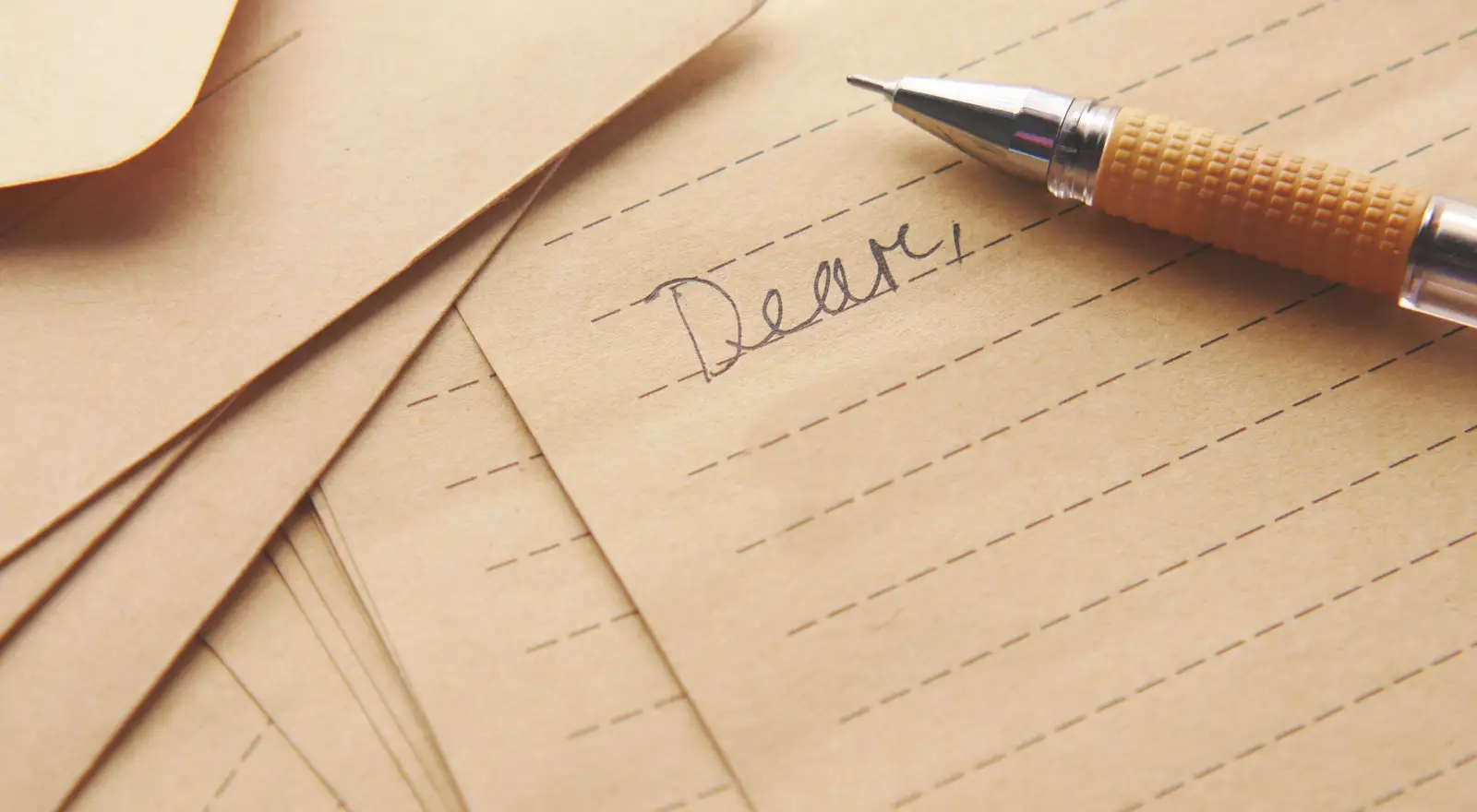

This is a preview of the Shortform article Stress Break: Write Letters to Connect in a Digital Age
This is a preview of the Shortform article, sign up to access the whole article.
In an era of instant messages and fleeting digital communication, there’s something almost radical about sitting down to write a letter. It’s a conscious choice to slow down, to reflect, and to create something tangible that another person can hold in their hands. Unlike texts or emails, letters allow us to frame our thoughts carefully, present our ideal selves, and connect with others in a way that feels both timeless and deeply personal.
Whether you’re looking to rekindle old friendships, deepen existing relationships, or create new connections through the written word, this guide will help you master the art of letter writing—from choosing the right materials to crafting the perfect closing line.
The Essentials of Letter Writing: Getting Started
The Structure of a Letter
While letters can take many forms, a basic structure helps ensure your thoughts flow naturally:
- Opening: Begin with a warm greeting that sets the tone. Using the word “dear” might seem formal or old-fashioned, but it's classic for a reason. For closer relationships, consider using nicknames or terms of endearment that feel natural to your relationship. Let your friend or loved one know that you miss them and are thinking about them—a sentiment implicit in the idea of sitting down to compose a letter to them.
- Introduction: Start by acknowledging why you’re writing. Perhaps you’re responding to their last letter, sharing news, or simply expressing that you’ve been thinking of them. This helps create context and connection, and it also helps you to mark the occasion and season of your letter. Articulating what’s happening and why you’re writing not only helps set the tone when your recipient receives your letter, but also helps you make sense of your experiences as you’re living through them.
- Body: This is where you share your main thoughts, stories, and questions. But don’t be afraid to let real-life interruptions and observations filter in: This lends letters what Megan O’Grady calls their “leaky” quality, which is particularly apparent when we read letters composed decades in the past. “The baby wakes from the nap and cries; the air-raid siren sounds; the social mores and psychodynamics of other eras filter in,” O’Grady explains. These detours from the main subject or purpose of your letter often make correspondence more engaging, not less.
- Closing: End with a thoughtful conclusion that invites further correspondence. Traditional closings like “Sincerely” or “Best wishes” work well for formal letters, while more personal endings might be appropriate for intimate correspondence.
Finding Your Voice
When you write a letter, you can write in a way that captures your authentic voice. Aspects of your writing like your word choice, sentence structure, tone, rhythm, and the sorts of ideas and observations you choose to include in your letter all contribute to your unique voice. Unlike emails or texts, which often demand brevity and efficiency, letters allow for what Rachel Syme—a New Yorker staff writer and author of Syme’s Letter Writer (2025)—characterizes as “a very slow, very organic, very purposeful way of getting to know someone.”
When crafting your letter:
- Be yourself: Write in a way that comes naturally to you.
- Take your time: There’s no need to rush.
- Be specific: Include details that make your letter uniquely yours.
- Allow for imperfection: Words that are crossed out and thoughts that are corrected add character.
Choosing Your Materials
While a simple piece of paper and envelope will suffice, your choice of materials can add an extra layer of meaning to your correspondence—and make your letter into a meaningful object that the recipient will want to hold on to, and return to later. Unlike an email or a text message, a letter is a material, tangible object: When we store them away in a drawer or a tin, we create the opportunity to chance upon them later and return to the moment when they were first read (and first written).
Consider starting with:
- Quality paper or stationery
- A reliable pen (fountain pens add a special touch)
- Envelopes that complement your paper
- Stamps (consider choosing designs that reflect your personality or message)
Types of Letters: Finding the Right Tone
Personal Letters
The most intimate form of correspondence, personal letters allow for the greatest freedom of expression. In your personal letters, you can experiment with your writing practice and decide what you want to write about, and how. There aren’t any rules you have to follow about what to include or how often to write: Syme notes that “There’s no deadline, nobody even really waiting for the next letter to come, even if they hope they will receive one.”
Consider including:
- Updates about your life
- Shared memories
- Future plans
- Questions about their life
- Small tokens (pressed flowers, photos, clippings)
Love Letters
Perhaps the most challenging and rewarding form of correspondence, love letters require particular care. But, as with letters to a friend or a family member, a love letter should still sound like you. Romance novelist Kristan Higgins advises, “Don’t try to sound like someone else. You don’t have to be poetic or flowery unless that kind of thing comes naturally.”
Tips for love letters:
- Be specific about what you love about the person.
- Include meaningful memories.
- Mix serious sentiment with lighter moments.
- Don’t be afraid to be vulnerable.
- Focus on authentic emotion rather than flowery language.
Thank You Notes
While perhaps less dramatic than love letters, a well-crafted thank you note can be equally meaningful. While many of us are familiar with the conventions of thank you notes in the context of proper etiquette, they can be just as authentic as other kinds of correspondence.
Key elements:
- Be specific about what you’re thankful for.
- Explain how their action or gift impacted you.
- Keep it concise but genuine.
- Send it promptly when possible.
Letters of Condolence
Among the most difficult to write but most appreciated when received, condolence letters require particular sensitivity. These should be handwritten whenever possible and sent within two weeks of hearing the news.
Guidelines:
- Acknowledge the loss specifically.
- Share a memory if you have one.
- Offer specific help if you can provide it.
- Keep the focus on the bereaved.
- Avoid platitudes or attempts to explain the loss.
Building Lasting Connections Through Letters
Maintaining a regular letter-writing practice might seem daunting, old-fashioned, or even unnecessary. But if this slower method of expressing your thoughts and keeping in touch with people appeals to you, epistolary friendships can become some of our most meaningful connections. Unlike the immediate gratification of social media or texting, letter writing creates friendships that develop gradually through thoughtful exchange.
To maintain a regular correspondence:
- Set aside dedicated time for letter writing.
- Keep stamps and materials readily available.
- Don't worry about sending immediate responses.
- Save letters you’ve received to revisit and respond to.
So take out that piece of paper, uncap your favorite pen, and begin: “Dear friend...” You never know what connections might unfold from that first line.