

Stress Break: The Timeless Art of Cloud Spotting
Cloud spotting combines the benefits of mindfulness meditation with the wonder of natural science. Research suggests that it can provide valuable mental breaks, helping to reset our perspective and reduce the mental clutter of daily life. Best of all, cloud spotting is accessible to everyone, anywhere—no special equipment or training required. Here’s how to get started.
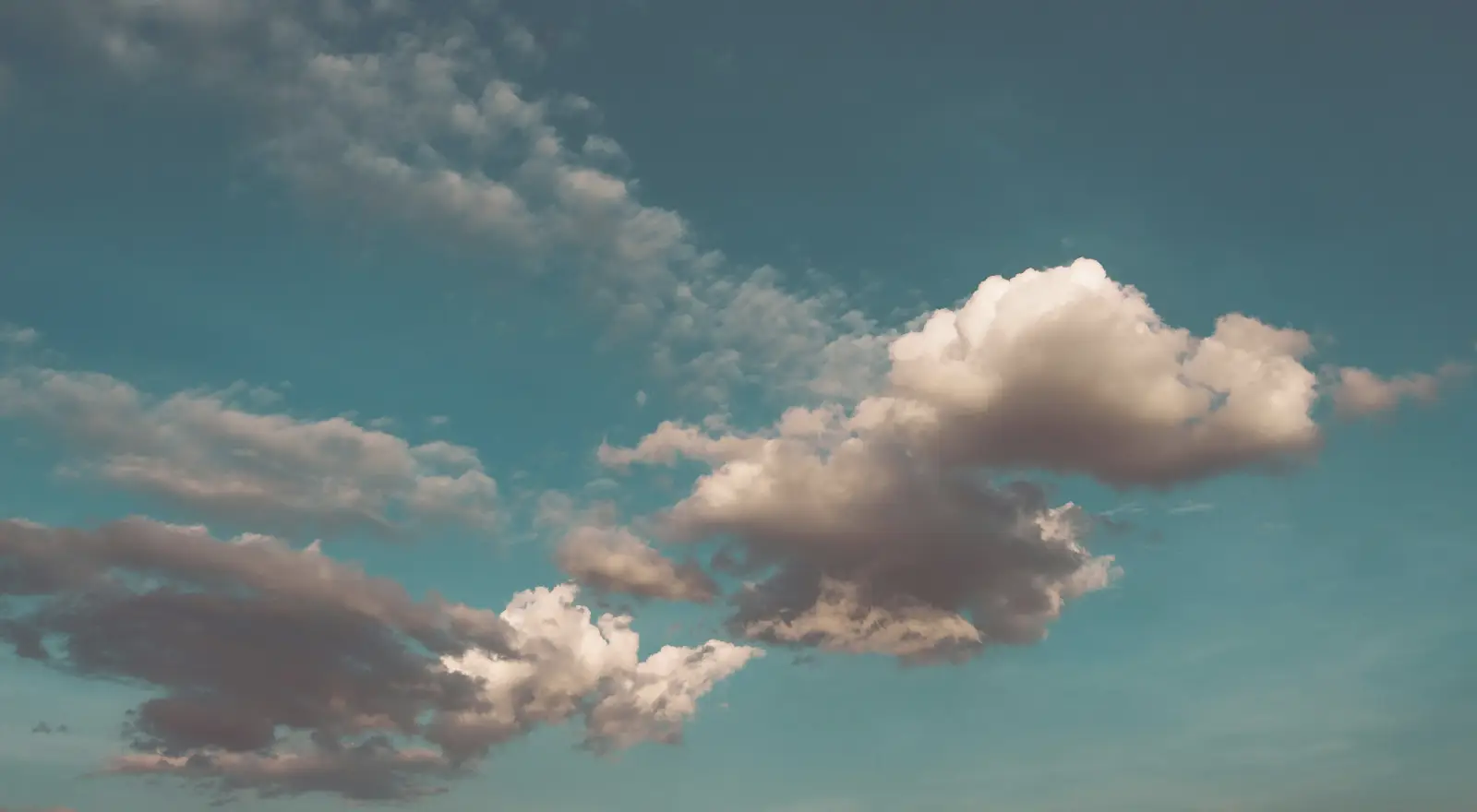

This is a preview of the Shortform article Stress Break: The Timeless Art of Cloud Spotting
This is a preview of the Shortform article, sign up to access the whole article.
Introduction
Remember lying in the grass as a kid, finding dragons and dinosaurs in the clouds drifting overhead? That childhood pastime has a surprising scientific pedigree—and might be just what our tech-saturated brains need. Members of the Cloud Appreciation Society, an organization of more than 54,000 members across 120 countries, have noted that cloud watching is especially reassuring to people during challenging times, like early in the Covid-19 pandemic.
Scientists explain that the floating formations that capture our imagination are actually masterpieces of meteorology. Each cloud begins when warm air rises, carrying water vapor skyward. As it reaches cooler heights, the vapor condenses into tiny droplets—about 350 billion per cubic foot. When sunlight hits these droplets, it scatters in all directions, creating the white color we see from below. Ahead, we’ll take a look at everything you need to start cloud spotting.
What You’ll Need
- A cloud-viewing spot that’s comfortable for your neck (like a comfortable lawn or a reclining chair)
- Polarized sunglasses (optional, but helpful for better contrast)
- A basic cloud guide (or our cheat sheet below!)
- Imagination and a few minutes to spare
A Field Guide to Clouds
Clouds form at every level of the atmosphere, creating a variety of recognizable shapes and cloud types. In 1802, an English pharmacist named Luke Howard revolutionized meteorology by classifying clouds into basic types—a system still used today in the International Cloud Atlas of the World Meteorological Association.
Howard broke these types down into three families: cirrus clouds (from the Latin word for “fiber” or “hair”), cumulus clouds (from the Latin word for “heap” or “pile”) and stratus clouds (from the Latin word for “layer” or “sheet”). Howard delivered a lecture, called “On the Modification of Clouds,” that’s now seen as the beginning of meteorology as a recognized field of natural science. Here’s your simplified guide to the types of clouds you might see:
High-Level Clouds (above 20,000 feet):
All of the highest clouds in the sky are types of cirrus clouds, the wispy, feathery strands that look like cotton candy being pulled apart. Cirrus clouds are made entirely of ice crystals and form as a warm front is moving in, so they often indicate that a change in the weather is coming within 24 hours.
Different types of clouds can combine, and scientists name them accordingly to reflect the characteristics of both kinds of clouds. Cirrus clouds can combine with cumulus clouds or stratus clouds to create:
- Cirrocumulus: Tiny white puffs that are often described as looking like fish scales. These clouds indicate that the weather is going to be fair but cold (though in the tropics, these clouds could signal the arrival of hurricane conditions).
- Cirrostratus: A thin, white veil that typically covers the entire sky. These clouds can create halos around the sun and suggest there might be rain or snow within the next 24 hours.
Mid-Level Clouds (6,500-20,000 feet):
Clouds that appear at intermediate altitudes take a variety of different shapes and indicate different things about the weather.
- Altocumulus: These clouds form gray or white layers or clumps that make up what observers call a “mackerel sky,” patches of clouds that (like a more substantial version of wispy cirrocumulus clouds) look a bit like fish scales. They suggest that there’s generally going to be fair weather ahead, but there’s moisture in the atmosphere.
- Altostratus: These clouds form grey or bluish sheets that can blur the sun, and they indicate that continuous rain or snow is likely. Some people find them boring to look at because they’re somewhat “featureless,” unlike other clouds with defined shapes.
- Lenticularis: These lens-shaped clouds look like UFOs or flying saucers, according to many observers. They’re often formed near mountains and indicate stable but windy conditions.
Ground-Floor Clouds (below 6,500 feet):
Several different types of clouds form at low altitudes.
- Cumulus: These classic “cotton ball” clouds have flat bases and domed tops, and they usually indicate that fair weather is here to stay. For most people, cumulus are the quintessential clouds: the ones we drew as children and what many of us imagine when we think of clouds.
- Stratus: These low, grey blankets of clouds can cover the whole sky; they suggest the weather is going to be gloomy, with possible drizzle.
- Stratocumulus: These low, greyish clouds form rounded masses in layers. They usually suggest that while the weather is fair now, there might be incoming weather changes.
Fun fact: Since clouds are made of water droplets or ice crystals, each cloud is quite heavy, and a medium-sized cumulus cloud weighs as much as 80 elephants!
The Show-Stoppers (vertical):
- Cumulonimbus: These dramatic thunderheads that can reach altitudes of up to 60,000 feet above ground level. The presence of these towering clouds indicates that thunderstorms, possibly severe, are coming.
Fun fact: Inside these clouds, ice crystals create static electricity, leading to lightning that can heat the air to 50,000°F. This rapid heating results in a shockwave that causes thunder.
Best Times & Places
Gavin Pretor-Pinney, author of Cloudspotting for Beginners (which covers 10 different cloud subtypes), points out that the best place to look at clouds is always wherever you currently are. You don’t need to go anywhere special to see interesting clouds. That said, certain times offer premium viewing:
- Sunrise: Best for seeing high clouds before lower formations develop
- Sunset: Perfect for dramatic colors and formations
- Fair weather days: Ideal for beginners learning to identify basic types
The Mental Health Connection
Cloud watching isn’t just meteorology—it’s mindfulness in action. The Cloud Appreciation Society’s experts note that taking time to observe the ever-changing sky can serve as a natural antidote to our screen-dominated lives. It’s a practice that requires nothing more than lifting our gaze and allowing our minds to drift with the clouds. The mental health benefits are surprisingly robust:
- Mindfulness: Cloud watching forces us to slow down—you can’t rush a cloud's natural pace of change.
- Stress relief: Looking up literally shifts our perspective away from earthbound worries.
- Creativity boost: The practice of seeing recognizable shapes in clouds, known as pareidolia, exercises our imagination.
- Connection to nature: Unlike many outdoor activities, cloud spotting is accessible to everyone, anywhere.
- Present-moment awareness: Clouds are the perfect reminder that everything changes, teaching us to appreciate the moment.
Making It a Daily Practice
The key isn’t spending hours staring at the sky—even a few minutes can help. Cloud appreciation experts recommend:
- Setting a daily sky-watching reminder
- Taking regular “cloud breaks” instead of coffee breaks
- Using your commute or dog-walking time to notice the sky (while staying safe!)
- Starting a cloud-spotting journal or photo collection
- Joining a community of fellow cloud enthusiasts
These small moments of sky-gazing can provide valuable mental breaks, helping to reset our perspective and reduce the mental clutter of daily life. It's a practice that combines the benefits of mindfulness meditation with the wonder of natural science—no special equipment or training required.
Tips & Tricks
- Never cloud spot while driving (seriously, pull over first).
- Morning clouds tend to be higher and clearer.
- If you see dark, towering clouds, maybe save the cloud spotting for another day.
- Take photos of interesting formations to compare with cloud guides later.
Next time someone catches you staring at the sky, just tell them you’re not daydreaming—you’re practicing an ancient art that combines science, meditation, and the perfect excuse to do nothing at all.