

Stress Break: People-Watching for Fun and Profit
From Parisian boulevards to neighborhood cafés, people-watching has always been about more than idle curiosity. This article explores how to transform casual observation into a practice of presence, empathy, and creative inspiration.

This is a preview of the Shortform article Stress Break: People-Watching for Fun and Profit
This is a preview of the Shortform article, sign up to access the whole article.
Introduction: The Art of Seeing
There’s a moment that happens in every bustling café, crowded park, or busy street corner: when time seems to slow and the rushing world transforms into theater. Human dramas play out at every turn, and it’s easy to get caught up watching the couple have an animated conversation in the corner or wondering where a man with an oversized bouquet is off to in such a hurry. In these moments of accidental voyeurism, you might catch yourself feeling slightly guilty about your curiosity.
But people-watching offers us something we all need: a way to step outside our own preoccupations and remember we’re not alone. It’s meditation disguised as entertainment, empathy training wrapped in the simple pleasure of observation. And as countless writers, artists, and everyday wanderers have discovered, it might be one of the most accessible forms of mindfulness. The question isn’t whether you should people-watch: You naturally do, whether you realize it or not. The question is: How can you transform this natural human tendency into something that enriches your life, calms your mind, and deepens your connection to the world?
A Brief History of People-Watching
The art of people-watching didn’t begin with Instagram or reality television: Its roots stretch back through centuries of literature, philosophy, and urban culture. On the cobblestone streets of 19th-century Paris, watching people became an art form. As industrialization transformed Paris into one of the world’s first modern metropolises, a new kind of city dweller emerged. The flâneur was someone who wandered the newly constructed grand boulevards with no particular destination in mind. Yet these weren’t aimless wanderers, but sophisticated observers. Some reportedly walked with pet turtles on leashes to ensure they maintained a proper leisurely pace.
French poet Charles Baudelaire captured the essence of the practice when he described the flâneur as someone able “to be away from home and yet to feel oneself everywhere at home; to see the world, to be at the center of the world, and yet to remain hidden from the world.” For Baudelaire, the ideal people-watcher was someone who could disappear into crowds while keenly observing the human drama unfolding around them. This wasn’t just a Parisian phenomenon. Writers like Virginia Woolf transformed the practice into literature, creating characters (like Mrs. Dalloway) who were keen observers of urban life—and rebels pushing back against the relentless pace and productivity demands of modern life.
The simple act of slowing down to observe became a radical act of presence. The tradition evolved through the decades, finding new expression in street photography pioneers like Henri Cartier-Bresson, who wrapped his camera in black tape to blend into crowds and capture what he called “the decisive moment.” Even today’s travel writers and urban explorers carry on this legacy, understanding that the deepest way to know a place is not through guidebooks, but through patient observation of how people move through their daily lives.
The Unexpected Gifts of Observation
What starts as curiosity—wondering about the artist carrying a portfolio or the construction foreman checking his watch for the fifth time—offers more than momentary entertainment. It gets to the core of how we relate to ourselves and the world. Perhaps the most immediate benefit is the gentle way it pulls us out of our own mental loops. Watching others navigate real moments works like a reset button for our minds. When we’re absorbed in observing the dramas playing out around us, we step away from our anxieties and preoccupations. This can result in “attention restoration,” where focusing on something outside ourselves allows our minds to rest and recharge.
People-watching also shatters what researchers call the “invisibility cloak illusion”: our mistaken belief that we observe others more than they observe us. This revelation can be initially unsettling, but many people-watchers ultimately find it liberating. The realization that we’re all part of the same human theater—all both watching and being watched—can reduce the social anxiety that comes from feeling like we’re constantly under scrutiny. We’re reminded that everyone else is just as absorbed in their own stories, navigating their own inner worlds with the same hopes and hesitations we carry within ourselves. And, just like us, they’re looking to other people to try to make sense of the world.
Perhaps most significantly, conscious people-watching cultivates what you might think of as empathetic imagination. When we wonder about the stories behind the faces we see—Is that oversized bouquet an apology or a grand romantic gesture? Is the subway starer expecting someone or planning an escape?—we’re exercising our capacity for empathy. We practice seeing the world through different perspectives, even if we never learn the answers to our questions. Even in our most solitary moments of watching, we’re participating in the shared human experience of trying to understand and connect with one another.
How to Become an Expert People-Watcher
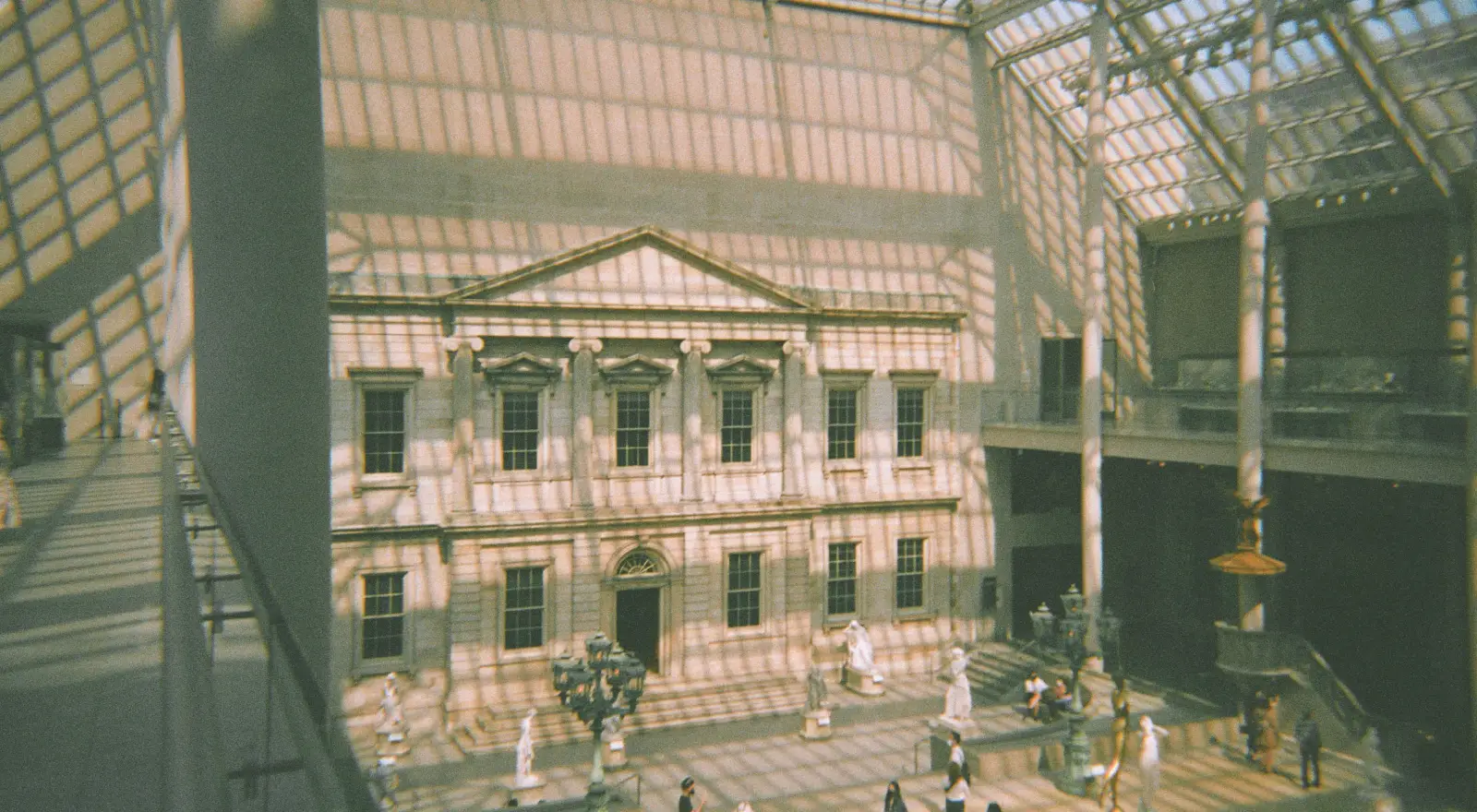
The magic begins with selecting the right setting. Look for what researchers call “transient spaces,” places that are meant for people to pass through, where human stories naturally unfold. Coffee shops, airports, subway stations, and parks provide constantly shifting casts of characters. The key is finding spaces where you can linger comfortably without drawing attention to yourself. You might consider spending some time people-watching at a museum or a public square, the same urban theaters where 19th-century observers knew people come not just to pass through but to see and be seen.
Master people-watchers understand a fundamental rule: The goal is appreciation, not intrusion. The most skilled observers blend into their environment. Many bring a secondary activity—a book to read, a journal to sketch in, or headphones to listen to music. This serves dual purposes: It gives you something to do during natural breaks in observation, and it provides some plausible deniability if someone notices your attention. The cardinal rule is: Don’t stare. Instead, practice the kind of peripheral observation that street photographers often use, taking brief, natural glances while appearing absorbed in your own activity.
Respectful people-watching requires an awareness of others’ comfort. If you notice someone’s guard going up because of your presence, you can shift your attention to your reading or sketching, disengage from what you’re seeing or hearing them say, or just get up and move to a different space. It can also help to focus on keeping your observations neutral. That way, people-watching can help you cultivate empathy and understanding, not feed the human tendency toward judgment.
Sometimes, observation transforms into connection. Many practitioners describe how people-watching has led to meaningful friendships, sparked by natural interactions—asking someone to watch your table, complimenting a book they’re reading, or simply sharing a moment of humor when something amusing happens nearby. These connections remind us that we’re part of the human drama we’re observing, simultaneously watcher and watched, observer and observed.