

Stress Break: Bad Paintings Make for Great Mental Health
Think you need talent to paint? Think again. This article explores how embracing imperfect art creates perfect calm—and why the therapeutic benefits come from the process, not the result.
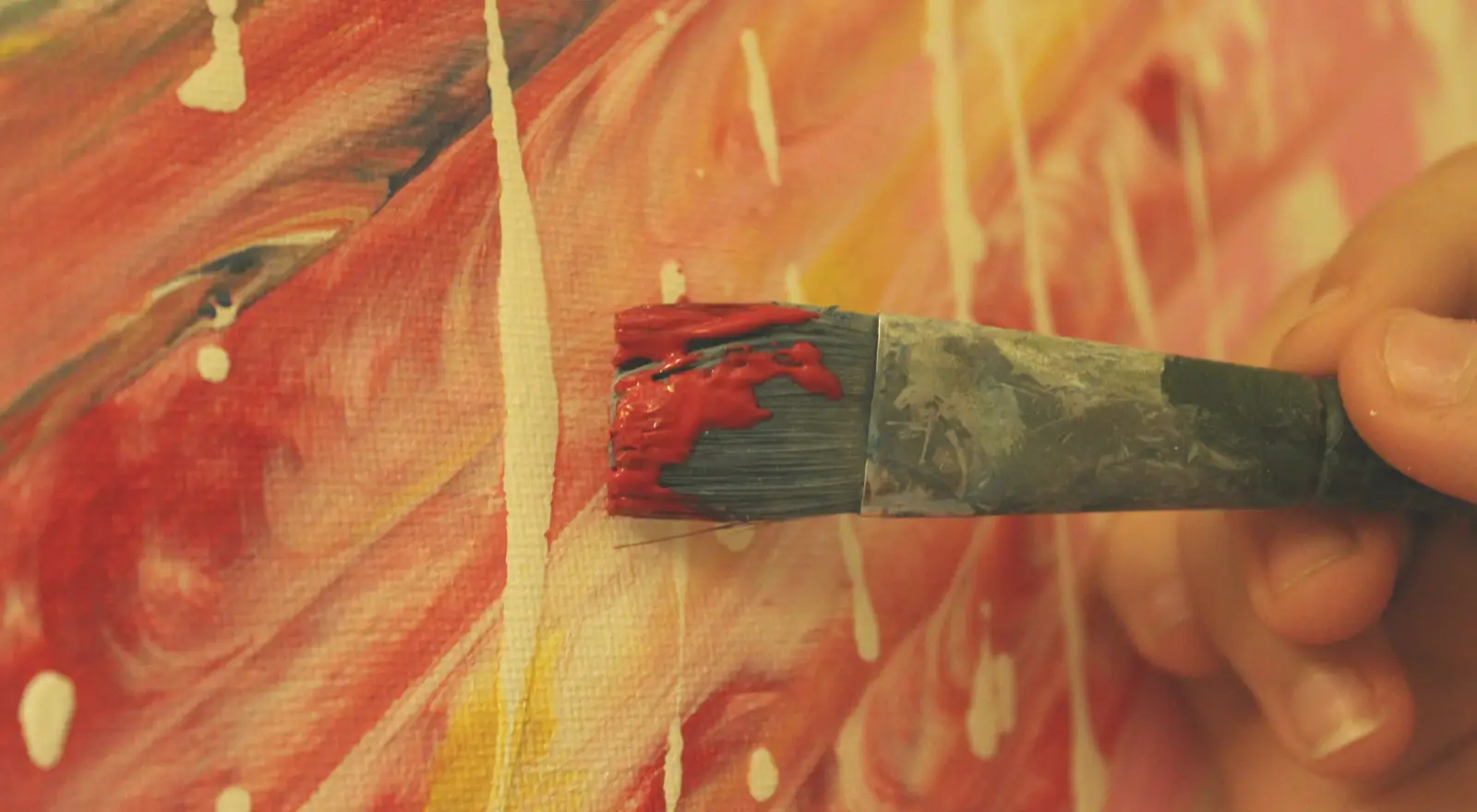

This is a preview of the Shortform article Stress Break: Bad Paintings Make for Great Mental Health
This is a preview of the Shortform article, sign up to access the whole article.
Introduction: The Joy of Painting (No Talent Required)
When was the last time you picked up a paintbrush? If you’re like most adults, the answer might be “elementary school art class” or “never.” Perhaps you’ve admired others’ artwork with a mixture of appreciation and resignation to the idea that you could never create something similar. But painting is about much more than talent. It’s also an accessible way to practice mindfulness, reduce stress, and reconnect with a slower, more intentional way of experiencing the world.
Lots of people want to paint, but many never give it a try because the idea of creating something “amateur” can feel uncomfortable. Yet in that discomfort lies the practice many of us need—learning to value process over product, presence over perfection. Taking up painting offers an opportunity to slow down, focus, engage all our senses, and become more perceptive about ourselves and our surroundings.
Why Painting Is the Perfect Stress Break
Scientists have found that painting stands out as an effective antidote to modern anxiety. Research shows that just 45 minutes of creating art significantly lowers levels of cortisol, the primary stress hormone that, when chronically elevated, can lead to numerous health problems. This stress-reducing effect occurs regardless of artistic experience or talent level. Painting also activates the medial prefrontal cortex, the brain region associated with self-regulation and problem-solving. This activation happens whether you’re working on a masterpiece or simply playing with watercolors.
Scientists have also found that engaging with a piece of art literally expands our perception: Like looking out at a colorful sunset on the horizon, taking in a piece of art on a large canvas engages what neuroscientists call our “panoramic vision.” This widened perspective naturally reduces our fear response and lowers our stress levels. When we focus intently on a creative task, we can shift out of the narrow, tunnel-vision state that characterizes anxiety and experience a more expansive awareness of ourselves and the world around us.
This shift in awareness isn’t just a pleasant distraction after a rough day. The German philosopher Arthur Schopenhauer described art as an escape from the “wheel of Ixion,” the exhausting hamster wheel of daily obligations and concerns that narrows our perception of life. Schopenhauer believed that engaging with art allows us to see beyond our immediate circumstances to something larger and more meaningful. Even if you start painting simply to relax or have fun, you may find it offers something deeper: a way to process emotions, expand your perspective, navigate uncertainty, and reconnect with the moment.
How to Get Started as a New Painter
Starting anything new can feel daunting, and painting is no exception. The good news? Getting started requires far less than you might think, both in terms of supplies and expertise. The art supply store can be overwhelmingly full of options, but beginners need only a few quality items. Experts say you should focus on getting a small selection of good supplies rather than a large array of mediocre ones. For paints, you have three main options:
- Watercolors are portable, easy to clean up, and great for creating luminous, transparent effects. They’re reactivated with water even when dry, making them forgiving for beginners.
- Acrylics are quick-drying, versatile, and water-soluble, and easy to clean up with just soap and water. They can be used on almost any surface without special preparation. Plus, if budget is a concern, acrylic paints offer an excellent starting point.
- Oils are the traditional choice of paint, with the longest drying time, which enables them to be blended and reworked over a period of days. Modern water-soluble oils offer the same properties as traditional oil paints, but with easier cleanup.
For any medium, choose “artist” quality over “student” quality when possible: The higher pigment load creates brighter, cleaner colors that will give you more satisfying results as a beginner. A basic palette of primary colors—red, yellow, and blue—plus white if using opaque paints, will allow you to mix most colors you need.
For brushes, start with just four or five in various sizes and shapes. You’ll quickly learn which you prefer and can add more later. You’ll also need appropriate paper or canvas for your chosen medium and a container for water. A simple palette for mixing colors can be anything from a dedicated artist’s palette to a paper plate or piece of wax paper. You don’t need a dedicated studio space: The kitchen table, a corner desk, or even the floor can work well. Just make sure to protect your surface with newspaper, a plastic tablecloth, or a drop cloth.
Overcoming the Blank Canvas
Many beginners feel intimidated when facing an empty canvas or sheet of paper. One way to overcome your fear of the blank canvas is to start by painting something simple, even mundane. You can paint the vase of flowers on your desk, the teapot on your kitchen table, or the view from your favorite window. Remember that your first painting doesn’t need to be a masterpiece. The goal is simply to get comfortable with the materials and process, allowing yourself to experiment without judgment. Still feeling stuck? Consider these approachable first subjects:
- A piece of fruit or a simple still life arrangement
- A plant or flower
- A landscape from a photo you've taken
- An everyday object in your home
- Abstract shapes and colors that express your mood
How to Adopt a Mindful Approach to Painting
When approached mindfully, painting becomes a form of meditation—a space where time slows down and your attention becomes fully absorbed in the moment. Many artists say that painting offers a rare opportunity to focus entirely on the process, rather than on the outcome. What the final painting looks like isn’t what matters most: What’s much more important is how you feel and what you experience as you create it. This mindset aligns with the principles of mindfulness-based art therapy (MBAT), which combines mindfulness practices with creative expression. In MBAT, the act of creating becomes a way to connect with your inner experience, physical sensations, and emotions.
This mind-body connection is part of what makes painting effective for stress reduction and emotional processing. Painting engages most of our senses: The smell of paint, the texture of brush against canvas, the visual interplay of colors, and the sound of brushstrokes all combine to create an immersive experience that anchors you in the moment. Whether you’re working at home or taking your new hobby on the road, painting can help you move through the world in a more perceptive way and appreciate day-to-day life more deeply.
One of the most transformative aspects of painting is learning to work with mistakes rather than against them. Working in ink, artist John Donohue found that “every line is already out of place from the start,” which became freeing as he learned to focus on the process. As you continue painting, you may notice certain subjects or techniques that particularly resonate with you. Perhaps you’re drawn to landscapes, abstract expression, or detailed still lifes. These preferences aren’t just artistic choices—they’re clues to your unique way of seeing and experiencing the world. By painting mindfully and regularly, you’re not just developing your technique: You’re cultivating a relationship with yourself and your perceptions.
Making Painting a Ritual
To get the most out of your new painting hobby, it helps to elevate it from a sporadic hobby to a consistent ritual. Experts say the key to maintaining any creative habit is finding a realistic and sustainable way to make it part of your life. Arthur C. Brooks suggests treating art “less like a diversionary pleasure and more like exercise or sleep or loving relationships: a necessity for a life full of deep satisfaction.” You can start small: Even 15 minutes before or after lunch can be enough to begin.
As you develop your painting practice, learn to recognize and appreciate your progress, no matter how incremental. Artist Ingrid Christensen recommends making a point of finding one element in each painting that pleases you. Whether it’s a particularly satisfying brushstroke, a pleasing combination of colors, or an element of the composition, taking the time to notice and acknowledge these small successes can help you find the motivation to continue your practice. Documenting and tracking your progress can also help.
Sharing your painting journey can provide encouragement. You might consider joining a local art group, taking a class, or connecting with online communities of beginner painters. The internet offers countless resources for inspiration and instruction, from YouTube tutorials to Instagram accounts dedicated to specific techniques. Having a friend to go through the learning process with you can create both accountability and camaraderie. Becoming a good painter can take a lifetime to achieve, but the process continues to yield new discoveries—about color, light, the sensory world, and even yourself.