

It Sounded Plausible: The Truth About Cockroaches vs. Nukes
The claim that cockroaches could survive a nuclear disaster that wiped out humans has long been food for thought, especially during the Cold War when nuclear drills had schoolchildren crouching under desks. But why is it so fascinating, and is there any truth to it?
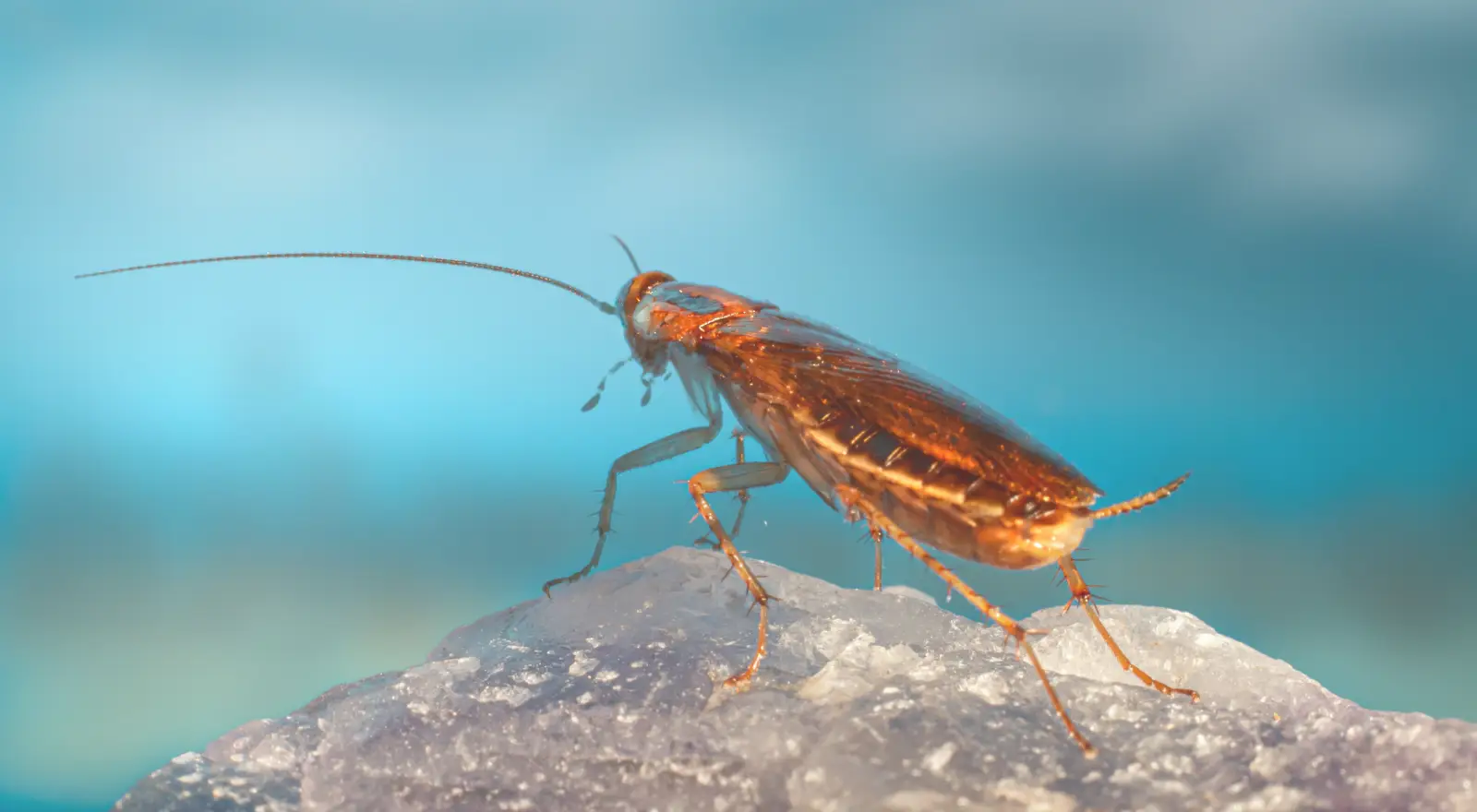

This is a preview of the Shortform article It Sounded Plausible: The Truth About Cockroaches vs. Nukes
This is a preview of the Shortform article, sign up to access the whole article.
Introduction: Would Cockroaches Really Survive a Nuclear Apocalypse?
The Cold War, a time when schoolchildren practiced hiding under their desks, featured a memorable anti-nuclear slogan: “The winner of World War III will be the cockroach.” This suggested that in a nuclear war, cockroaches could outlive humanity. While the point wasn’t entirely clear, the idea still fascinates.
These abundant insects have kept their resilient reputation through decades of pop culture—including Pixar’s Wall-E, which depicted a post-apocalyptic Earth inhabited only by a trash-compacting robot and his loyal cockroach companion. But would these infamous survivors actually inherit a nuclear-devastated Earth? Science says: absolutely not.
The Birth of a Cold War Legend
The cockroach survival myth reportedly emerged from reports that insects thrived in the aftermath of the atomic bombings of Hiroshima and Nagasaki in 1945. We do know that some insects made it through the initial blasts alongside the humans who survived, many of whom later died from radiation sickness. But physician Tilman Ruff, who studies the health consequences of nuclear explosions, notes he has yet to see documented evidence that cockroaches were really scuttling through the rubble in the bombings’ aftermath.
The myth that cockroaches could survive even an atomic bomb gained traction partly because cockroaches genuinely are tough creatures. They can live for weeks without their heads, survive on minimal food, squeeze into impossibly tight spaces, and resist common pesticides. It’s not hard to see why people assumed they’d outlast us all.
The Radiation Reality Check
Experts say that cockroaches’ radiation resistance has been greatly exaggerated. While they do handle radiation better than humans—surviving doses six to 15 times higher than what would kill us—that’s not particularly impressive in the insect world. The cast of the TV show Mythbusters tested this theory, exposing cockroaches to increasing levels of radiation: 1,000 rads, 10,000 rads, and 100,000 rads. Some roaches survived 10,000 rads (10 times the amount that’s lethal for humans), but none survived 100,000 rads.
Embarrassingly for the cockroach’s tough-guy reputation, flour beetles in the same experiment fared significantly better, with 10% surviving the highest dose of radiation. Flour beetles aren’t the only insects more capable of withstanding radiation than cockroaches. The parasitic wasp Habrobracon can withstand more than 180 times the amount of radiation that’s lethal to humans. Even humble fruit flies outperform cockroaches in radiation resistance tests, and scientists believe that ants that build deep underground nests would likely have better survival odds than cockroaches in the event of a nuclear apocalypse.
But why are insects generally more radiation-resistant than mammals? The answer lies in cell division. Radiation primarily damages DNA when cells are actively dividing. In the human body, cells are constantly dividing, especially in our bone marrow, where blood cells are produced. But insects, including cockroaches, typically undergo cell division only when molting, when the process enables them to grow new exoskeletons. The rest of the time, insects’ cells remain relatively static and therefore less vulnerable to radiation damage than humans’.
The Bigger Picture: Ecosystem Collapse
Even if cockroaches could survive the initial blast and radiation, they’d quickly face an insurmountable problem: The entire ecosystem they’ve evolved to depend on would have collapsed. The American and German cockroach species we most commonly encounter have specifically adapted to live alongside humans. Once we’re gone, these dependent species would experience a brief population surge as they consumed readily available food. But cockroaches’ luck would soon turn.
Scientists say nuclear war would trigger a “nuclear winter” lasting years, with soot blocking sunlight and dropping global temperatures. This would devastate plant life and collapse food chains from the bottom up. Every organism on Earth would experience reduced abundance, decreased diversity, genetic mutations, tumors, shortened lifespans, and plummeting fertility. Even if cockroaches are relatively robust against radiation, they’re detritivores: They eat dead organic matter and debris from other living organisms. In the event of a nuclear apocalypse, surviving cockroaches would still need decaying organic matter to eat. But eventually, their time would run out: If everyone and everything else on Earth dies, then cockroaches will run out of food.
The uncomfortable truth is that focusing on whether cockroaches could survive misses the larger point. In a genuine nuclear apocalypse, there would be no winners—not humans, not cockroaches, not any species dependent on functional ecosystems. It’s a reminder that some disasters have no silver lining, not even one with six legs and antennae.