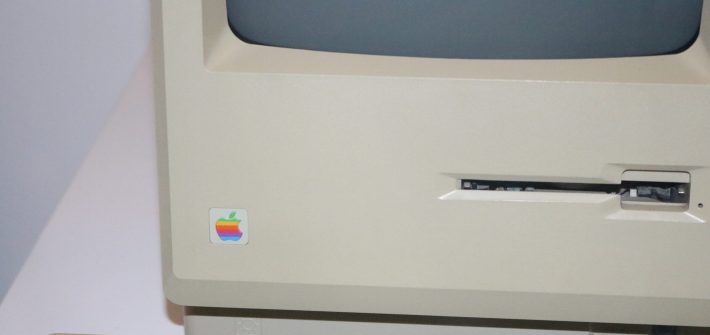
Zip2 was a dot com company that was created by the Musk brothers and turned Elon Musk into a millionaire. Here’s more on Elon Musk and Zip2.
Science & Technology

How Internet Reading Moves Us From the Depths to the Shallows
Internet reading has transformed our habits and cognitive processes. Learn how our digital life reshapes our minds and media consumption.
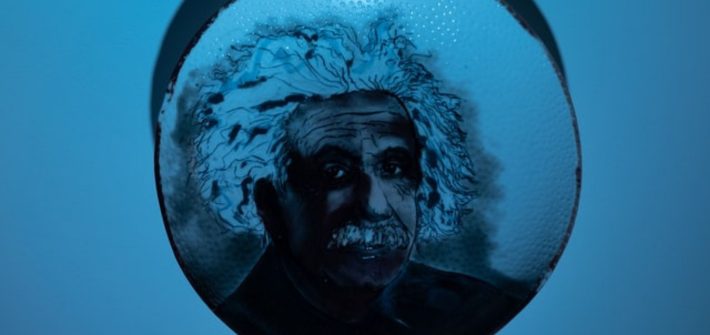
The Theory of Relativity: Explained in Simple Terms
The theory of relativity explained the interplay between the speed of light and time. But it was still missing a crucial element—gravity.

CBT Session Structure Outlines: A Therapist’s Guide
What makes a great CBT session structure? Here are some exemplary outlines to help you create the best session structures for patients.

Quantum Mechanics Theory: Learn the Basics
Quantum mechanics theory explains the physical properties of the universe at the level of atoms and particles. Here’s how it works.

Tony Robbins: NAC (the Complete Guide)
Do you want to know more about Tony Robbins’ NAC technique? Use Neuro-Associative Conditioning to form positive habits and improve your life.

Internal Family Systems Model: Key Concepts Explained
What is Internal Family Systems? In this article, you’ll learn about the goals of the IFS model and what IFS therapy looks like in practice.
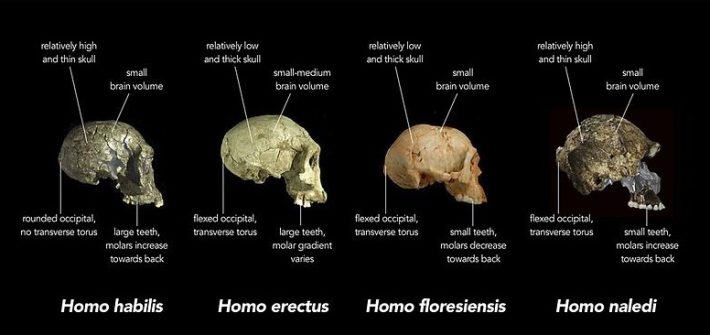
8 Types of Human Species: We Aren’t So Special
Different types of human species included Homo neanderthalensis, Home erectus, and us, Homo sapiens. Learn what we had in common with other human species.

Matching Personalities—The Best and Worst Pairings
Whether it be the color model, DISC, or Myers-Briggs, matching personalities that are compatible will make work go smoother. Here’s how.

Stuck in Survival Mode? Learn What It Is & How to Get Out of It
Living in survival mode? Learn what it is, how it works, and strategies to calm your nervous system to snap yourself out of downward spirals.