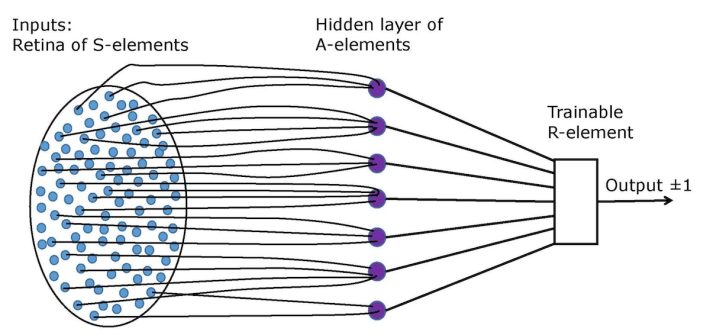
The history of neural networks reveals how they evolved from promising curiosities to the powerful AI systems we know today. Take a look.


Human Pattern Recognition: 4 Features That Make It So Effective
Ray Kurzweil explains how the human brain creates the full spectrum of cognitive abilities through repeated pattern recognition. Learn more.
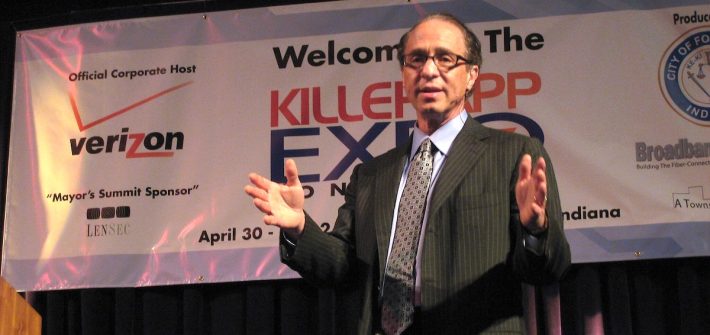
Ray Kurzweil on AI: How It Works & Where It’s Going
Ray Kurzweil didn’t just predict the future of AI—he helped build it. Learn about his ideas that shaped an entire generation of AI research.
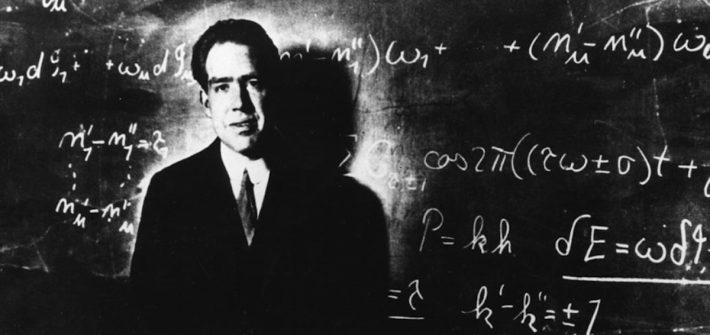
How Niels Bohr’s Quantum Mechanics Interpretation Prevailed
Niels Bohr’s answer to the measurement problem of quantum mechanics reshaped physics, but it wasn’t the only solution. Learn why it won out.
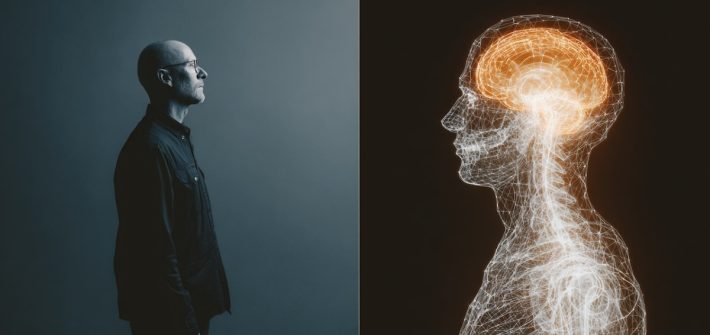
Continuity of Identity: Is Your Digital Self Still “You”? (Kurzweil)
Your identity could lie in the continuity of information patterns rather than physical substance. Learn how your digital self might be you.
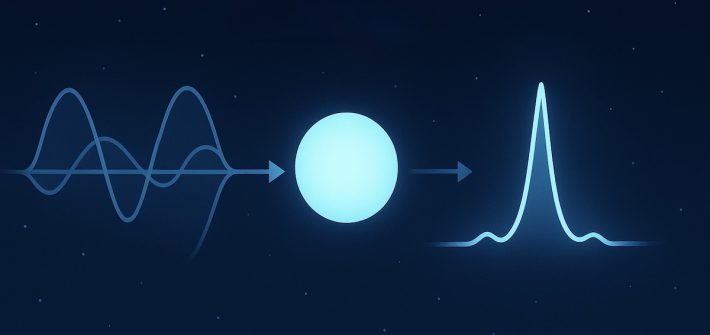
Quantum Wave Function Collapse: 3 Approaches to the Cause
Quantum particles can exist in multiple possible states at once — until measurement seems to force wave function collapse. Learn more.

The Compatibilist View of Free Will & Key Arguments Against It
Compatibilists say free will and determinism are not mutually exclusive. Learn what compatibilism is and why some believe it’s nonsense.
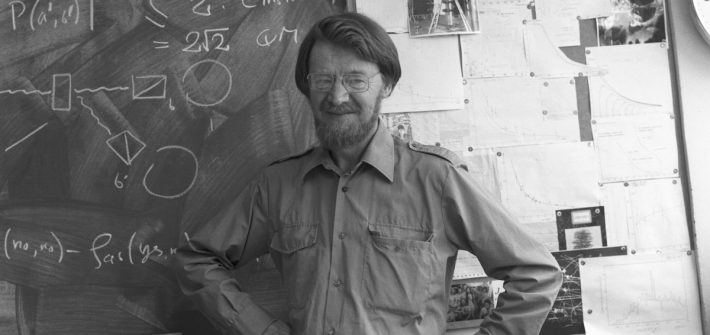
Bell’s Theorem Explained: Spooky Action at a Distance Is Real
John Bell’s work transformed abstract philosophical debates into testable experiments. Learn how his theorem shocked the physics world.
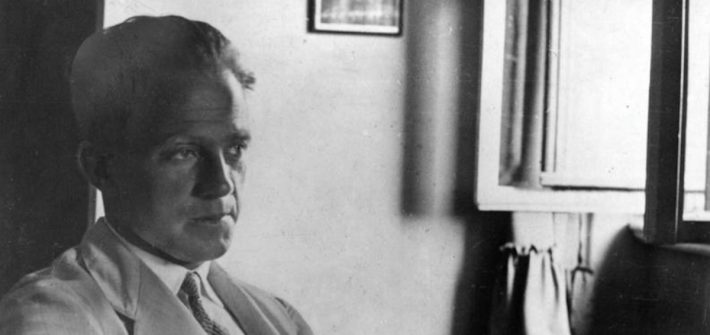
Heisenberg’s Uncertainty Principle Explained (Hawking)
Heisenberg’s uncertainty principle explains why we can never measure the position and speed of a particle with perfect accuracy. Learn more.

What Is the Measurement Problem in Quantum Mechanics?
Quantum mechanics seems to demand two sets of laws for identical particles. Learn about the measurement problem and why it matters.