
Knowing yourself and how motivation works can help you develop strategies that work for you. Learn how to motivate yourself to exercise.


How to Make an Exercise Plan: 4 Steps to Design Your Workout
To make an exercise plan, figure out what types of exercise to do, how much to do, and when to introduce new training styles. Here’s how.

How Much Should You Exercise? 4 Takes on the Ideal Amount
If you wonder how much exercise is enough but not too much, we’ve sorted out the varied voices on the matter. Take a look.
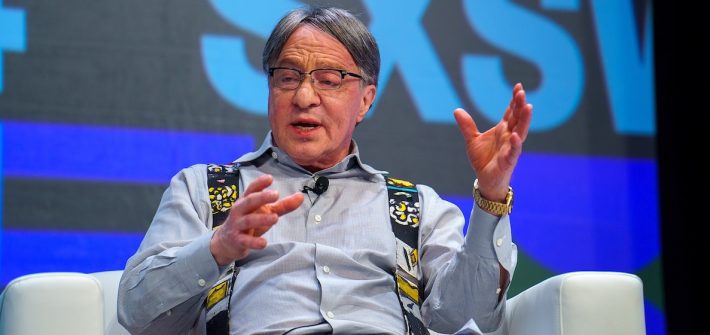
Ray Kurzweil’s Vision of Transhumanism: Merging Humans With AI
What if the boundaries between biological and artificial intelligence were meaningless? Here’s Ray Kurzweil’s vision of transhumanism.

Ray Kurzweil’s Brain Theory: How the Brain Creates the Mind
Ray Kurzweil says a surprisingly uniform system in the brain gives rise to everything we experience as the human mind. Here’s his theory.

Neuroplasticity Explained: What It Is & How It Works
Your brain can rewire itself throughout your life. Discover how neuroplasticity works and what it means for your capacity to change and grow.

How to Increase Neuroplasticity & Harness It for Growth
Whether you want to learn faster, break old habits, or sharpen your thinking, you can increase neuroplasticity to effect change. Here’s how.

The Ancient Brain: Our Primitive Neural Foundation
It’s believed that the ancient brain maintains our basic biological functions and reflexes. Here’s how three leading thinkers explain it.
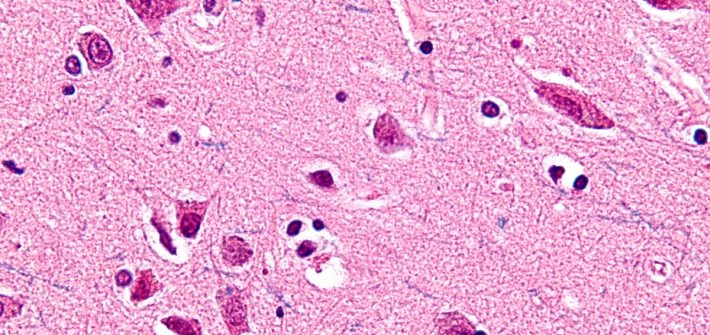
Spindle Neurons: Specialized Structures for Processing Emotions
A few years ago, spindle neurons were seen as specialized brain cells that gave humans unique capabilities. Learn what we know now.
Hierarchical Hidden Markov Models: Ray Kurzweil’s Breakthrough
In the 1980s, Ray Kurzweil solved a problem that had stumped AI researchers for years. Learn about hierarchical hidden Markov models (HHMMs).