We've ranked the best embryology books using expert recommendations, sales data, and millions of reader ratings. At Shortform, we know books. Our book guides are the best in the world. Learn why.
Cover unavailable
1
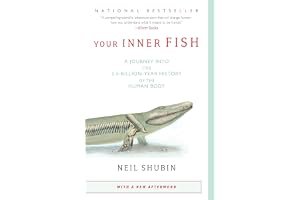
Your Inner Fish: A Journey Into the 3.5-Billion-Year History of the Human Body
Why do we look the way we do? What does the human hand have in common with the wing of a fly? Are breasts, sweat glands, and scales connected in some way? To better understand the inner workings of our bodies and to trace the origins of many of today's most common diseases, we have to turn to unexpected sources: worms, flies, and even fish.
Neil Shubin, a leading paleontologist and professor of anatomy who discovered Tiktaalik-the "missing link" that made headlines around the world in April 2006-tells the story of evolution by tracing the organs of the human body back millions of years, long before the first creatures walked the earth. By examining fossils and DNA, Shubin shows us that our hands actually resemble fish fins, our head is organized like that of a long-extinct jawless fish, and major parts of our genome look and function like those of worms and bacteria.
Shubin makes us see ourselves and our world in a completely new light. Your Inner Fish is science writing at its finest-enlightening, accessible, and told with irresistible enthusiasm.
…
Cover unavailable
2
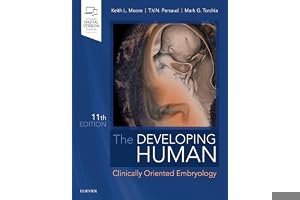
The Developing Human: Clinically Oriented Embryology
Keith L. Moore BAMScPhDDScFIACFRSMFAAA, T. V. N. Persaud MDPhDDScFRCPath (Lond.)FAAA, et al.
4.9
Extensively revised to incorporate recent research and current clinical practice, The Developing Human: Clinically Oriented Embryology, 11th Edition, covers all aspects of normal and abnormal embryonic and fetal development. In a clear, concise manner and lavishly illustrated throughout, this textbook is designed to successfully meet the needs of medical and health sciences profession students, as well as those in graduate programs. It provides an easy-to-digest, comprehensive review of what can be a complex and challenging subject. BONUS online features such as multiple-choice questions and narrated animations further support student success.
Guides readers month by month and stage by stage through embryo and fetal organ and systems development, using full-color photographs of clinical cases, relevant modern medical imaging, and numerous high-quality supportive figures.
Includes many new 3D HD color rendered images of embryos and fetuses, as well as 3D reconstructions of whole embryos.
Provides clinically-oriented problems for each chapter, with corresponding answers and explanations designed to facilitate discussion and learning. In addition, multiple-choice questions and answers are available online for supportive self-assessment.
Features 18 exceptional color animations, now with narration, to help students as they explore and learn the complexity of embryological development.
Provides the knowledge base needed for today's examinations, including USMLE Step 1, as well as for future clinical practice.
Thoroughly updated information includes new annotations on fundamental molecular events during embryogenesis, now required for many professional examinations.
Includes enhanced clinical material in all chapters, with updated tables, Clinical Case highlights and a critical chapter on common signalling pathways during development that covers gene editing (CRISPR/Cas9), induced pluripotent stem cells (iPS), a revision of the sonic hedgehog signalling pathway; and more.
Details how molecular biology has affected clinical practice, including techniques such as recumbent DNA technology and stem cell manipulation. Includes an Enhanced eBook version with purchase. Your enhanced eBook allows you to access all of the text, figures, and references from the book on a variety of devices.
…
Cover unavailable
3
Mutants: On Genetic Variety and the Human Body
Armand Marie Leroi
4.9
"Who are the mutants? We are all mutants. But some of us are more mutant than others."
Variety, even deformity, may seem like an unlikely route by which to approach normality, even perfection. Yet much of what we know about the mechanisms of human development, growth, and aging comes from the study of people who are afflicted with congenital diseases, most of which have genetic causes. Congenital abnormalities reveal not only errors within the womb, but also our evolutionary history.
In Mutants, Armand Marie Leroi gives a brilliant narrative account of our genetic grammar and the people whose bodies have revealed it, balancing both the science and the stories behind some of history's most captivating figures-including a French convent girl who found herself changing sex upon puberty; children who, echoing Homer's Cyclops, are born with a single eye in the middle of their foreheads; a village of long-lived Croatian dwarves; a hairy family who was kept at the Burmese royal court for four generations (and from whom Darwin took one of his keenest insights into heredity); and the ostrich-footed Wadoma of the Zambezi River Valley.
Stepping effortlessly from myth to molecular biology, this elegant, humane, and illuminating book is about us all.
That’s right. Armand Leroi is a biologist at Imperial College, London. And this is a really wonderful book because Leroi takes what could have just been a freak show and turns it into a really amazing experience. He writes about these people as people. He finds wonderful portraits of individuals – for example, some of them are covered in hair and look like wolves – and he tells the story of their lives in quite beautiful prose. He also uses their conditions to talk about the rules of development. [source]
Cover unavailable
4
Larsen's Human Embryology
Gary C. Schoenwolf PhD, Steven B. Bleyl MDPhD, et al.
4.9
2015 BMA Medical Book Awards Highly Commended in Basic and Clinical Sciences Category! Larsen's Human Embryology works as a well-organized, straightforward guide to this highly complex subject, placing an emphasis on the clinical application of embryology and presenting it in an easily digestible manner. Ideal for visual students, this updated medical textbook includes a superior art program, brand-new online animations, and high-quality imagesthroughout; clear descriptions and explanations of human embryonic development, based on all of the most up-to-date scientific discoveries and understanding, keep you abreast of the latest knowledge in the field.
Take advantage of the most current advances in molecular biology and genetics. Review the material in a flexible mannerthat meets your specific needs thanks to a user-friendly design.
Access high-yield content and quickly locate key information with help from newly condensed text and additional summary tables. Take advantage of key pedagogical features such as opening Summary boxes.
Visualize complex concepts more clearly than before through a superior art program and outstanding clinical content and images throughout.
Reinforce your understanding of the material and how it will relate to real-life scenarios with Embryology in Practice clinical closers added to each chapter.
Access the complete contents online at Student Consult! View animations on Eye and Ear Development, test yourself with multiple self-assessment questions, and more!
…
Cover unavailable
5
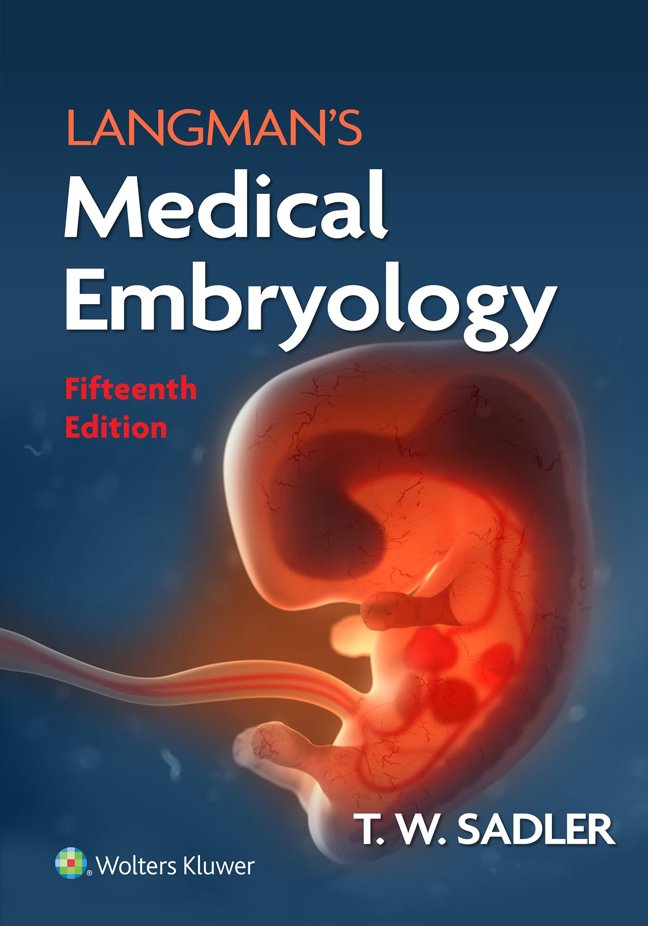
Langman's Medical Embryology
Thomas W. Sadler PhD
4.9
Long respected for its scientific authority, pedagogy, and clinical relevance to medical education, this comprehensive embryology text features outstanding illustrations and clear and concise writing. The brand-new Tenth Edition covers all aspects of embryology of interest to medical students and instructors and includes clinical correlates that provide information on birth defects and other clinical entities directly related to embryologic concepts.
This extensively revised edition features new full-color photographs of clinical conditions and updated embryo images/photographs created using newer technologies. It also features new online USMLE-style review questions through Connection / The Point. A new introduction chapter on development includes molecular biology. This edition's larger page size improves readability.
A bound-in CD-ROM, Simbryo, presents animations of embryologic system development.
…
Cover unavailable
6
Before We Are Born: Essentials of Embryology and Birth Defects
Keith L. Moore BAMScPhDDScFIACFRSMFAAA, T. V. N. Persaud MDPhDDScFRCPath (Lond.)FAAA, et al.
4.8
Before We Are Born: Essentials of Embryology and Birth Defects, by Drs. Keith L. Moore, T.V.N. Persaud, and Mark G. Torchia, allows you to efficiently and quickly assimilate the most important concepts related to this subject. Concise and richly illustrated, this popular book delivers the embryology knowledge you need in a highly efficient, reader-friendly manner. You can also access the complete contents online at www.studentconsult.com, along with 17 remarkable animations, downloadable illustrations, additional review questions and answers, and more.
…
Cover unavailable
7
The Ontogenetic Basis of Human Anatomy: A Biodynamic Approach to Development from Conception to Birth
Erich Blechschmidt M.D.
4.8
This book presents an anatomical overview of the changing form and structure of the human body. Although biomechanical embryology can be traced back to the 19th century, up until recently the most commonly accepted framework for the study of human ontogeny (development of the individual) was molecular biology, which all too frequently relied on findings from animal experiments that remained untested for humans. German embryologist and anatomist Erich Blechschmidt's research concentrates on the evidence presented by the human embryo itself. He offers a new approach to the study of early human growth as a way to shed light on the development of body build, instincts, gestures, language, mathematics, tools, and dress.
…
Cover unavailable
8
Netter's Atlas of Human Embryology: Updated Edition
Larry R. Cochard PhD
4.8
Here's a rich pictorial review of normal and abnormal human prenatal development. For each body system or region, you'll find a brief description of the developmental plan, with key concepts and terminology, followed by discussions of histological principles, the classification of congenital defects, and basic cellular, molecular, and genetic concepts. An emphasis on morphological patterns in the embryo and fetus makes it easy to understand the structure and function of the adult body and the embryonic basis of birth defects.
…
Cover unavailable
9
Human Embryology and Developmental Biology
Bruce M. Carlson MDPhD
4.8
Completely revised from cover to cover, Human Embryology and Developmental Biology, 6th Edition, helps you master complex concepts on every aspect of normal and abnormal human development. Dr. Bruce M. Carlson provides authoritative, readable coverage of today's scientific knowledge in this fast-changing field, keeping you up to date with what you need to know for coursework, exams, and clinical practice.
Features an extensive, full-color illustration program, with hundreds of superb clinical photos and embryological drawings - more than 50 new to this edition. Presents information in an integrated, easy-to-follow manner, incorporating molecular, experimental, and morphological material into each relevant area of the text. Includes numerous new, high-quality photos of congenital malformations. Provides major updates to many topics, including neuroembryology, early embryology, fetal imaging techniques, somite formation, and craniofacial development. Newly added series of animations for visualization of complex embryological processes. Offers helpful bonus material online, including the animations, there is also self-assessment questions, up-to-date references, and much more. Helps you understand the molecular basis of embryology, including the processes of branching and folding - essential knowledge for determining the root of many abnormalities. Features clinical vignettes and Clinical Correlations boxes to help you better understand the clinical manifestations of developmental abnormalities.
Enhanced eBook version included with purchase. Your enhanced eBook allows you to access all of the text, figures, and references from the book on a variety of devices.
…
Cover unavailable
10
Biokinetics and Biodynamics of Human Differentiation: Principles and Applications
Erich Blechschmidt M.D.
4.8
Fifty years ago the field of human embryology was incomplete; prior to that time the anatomy of early human embryos was still unknown, and there was much to be learned about the older stages of human embryonic development. It is now understood that human organs result from step-by-step differentiations of the growing human embryo. Research by renowned embryologist Erich Blechschmidt, MD, showed that differentiations are not only the result of a gene effect, but are also brought about through growth initiated by extragenetic (occurring outside the gene) information. Without this extragenetic information the differentiation would not begin.
Dr. Blechschmidt and coauthor Raymond Gasser, PhD, maintain that Haeckel's biogenetic law (ontogeny recapitulates phylogeny) was an erroneous attempt to explain developmental processes. Blechschmidt's human embryological investigations showed that Darwin's principles (mutation and selection) are likely valid for the origin of the species, but that they cannot explain the ontogenesis of the organs. The ontogenesis of each individual cannot be derived from phylogenetic facts. The authors stress that a clear distinction must be made between the vast field of phylogenetics and the much more exact and understandable field of ontogenetics—particularly the process of differentiation—and their goal is to present not only the abstract biokinetic principles of differentiation, but the originality of embryonic human beings as well. Their knowledge of developmental movements leads to their conclusion that differentiation is an undivided biodynamic process that occurs during development and includes the chemical processes as well.
Logically organized into two sections (the first covers early metabolic fields and includes chapters on the one-cell human ovum, the early embryo, blood vessels, the nervous system, head region, trunk, and limbs; the second describes metabolic fields in later developmental stages, distinguishing fields of corrosion, densation, contusion, distusion, retention, dilation, liquation, and detraction), Biokinetics and Biodynamics of Human Differentiation warrants reading by thoughtful professionals in a number of fields concerned with embryonic differentiation. A new preface by Dr. Gasser addresses how the book's principles and findings were and are understood in the field of human embryology.
…
Cover unavailable
11
Human Embryos, Human Beings: A Scientific and Philosophical Approach
Samuel B. Condic
4.8
The overall purpose of Human Embryos, Human Beings is to establish the ontological status of the human embryo, in light of the most recent biological evidence. The thesis of the book is that sound philosophical reasoning and the available scientific evidence support the claim that a human being is present from the moment of fertilization onward (the "immediate hominization" view) and does not support the contrary claim that a human being appears only after a time following fertilization (the "delayed hominization" view). Included in the scope of this argument is an examination of several long-standing philosophical arguments claiming that immediate hominization is false; a detailed examination of several arguments claiming that though immediate hominization is possible, both evidence and argument best support the delayed hominization view or some alternate view; and an examination of several cases where natural defect or scientific manipulation make determining the ontological status of the embryo more difficult. The book also includes a presentation of hylomorphism, as this is the philosophical viewpoint employed by the authors to analyze the question. Human Embryos, Human Beings is based on the premise that philosophical and scientific approaches are not in conflict, with the most comprehensive understanding of human embryos being achieved by application of a rigorous hylomorphic philosophy to the best available scientific data. Often, one finds either a thorough and well-reasoned philosophical account or a detailed scientific account. This book makes a welcome addition to the field by integrating both of these needed elements into a single text.
…
Cover unavailable
12
The Greenest Branch (Hildegard of Bingen #1)
P.K. Adam
4.7
Cover unavailable
13
Lippincott's Illustrated Q&A Review of Anatomy and Embryology
H. Wayne Lambert PhD and Lawrence E. Wineski PhD
4.7
Lippincott's Illustrated Q&A Review of Anatomy and Embryology offers up-to-date, clinically relevant board-style questions—perfect for course review and board prep. Approximately 400 multiple-choice questions with detailed answer explanations cover frequently tested topics in anatomy and embryology, including clinical topics addressed in Moore, Clinically Oriented Anatomy and Sadler, Langman's Medical Embryology. Readers will find USMLE-style clinical vignette questions as well as content review questions. The book is heavily illustrated with anatomical images, clinical images that portray signs and symptoms, and radiological images including ultrasounds, PET scans, MRIs, CT scans, and X-rays.
Online access to the questions and answers on a companion website provides flexible study options.
…
Cover unavailable
14
Langman's Medical Embryology
Dr. T.W. Sadler PhD
4.7
Selected as a Doody’s Core Title for 2023! Concise, clearly written, and vibrantly illustrated, Langman’s Medical Embryology, 15th Edition, makes complex embryology concepts approachable to help you build the clinical understanding essential to your success in medical practice, nursing, or other health professions. Hundreds of full-color illustrations clarify the stages of embryonic development with rich detail, and engaging learning features, clinical examples, and online review questions ready you for the challenges ahead on your exams and in clinical practice. NEW! Medical Embryology Animations, now included with the purchase of the print book, allow users to visualize the stages of human development and master the corresponding anatomical relationships. UPDATED! Clinical Correlates boxes reinforce clinically relevant content through realistic case-based scenarios you’re likely to encounter in practice. UPDATED! More than 400 full-color illustrations, micrographs, and clinical images clarify key aspects of embryonic development in vivid detail. UPDATED! Clinical vignette and USMLE-style multiple-choice questions, available via digital access, with answers provide valuable self-assessment and strengthen your test-taking confidence. Problems to Solve boost your critical thinking capabilities. End-of-Chapter Summaries detail key stages of development, terms, and clinical conditions for each chapter at a glance.
…
Cover unavailable
15
Essentials of Medical Physiology: with Free Review of Medical Physiology
K Sembulingam
4.7
Cover unavailable
16
Pregnancy, Childbirth, and the Newborn: The Complete Guide
Penny Simkin, Janet Whalley RN, et al.
4.7
Available for the first time in full color, the up-to-date and authoritative pregnancy guide that has sold 1.5 million copies--by recognizing that "one size fits all" doesn't apply to maternity care
Parents love this book because it puts them in control; experts love it because it's based on the latest medical research and recommendations from leading health organizations. Pregnancy, Childbirth, and the Newborn provides the information and guidance you need to make informed decisions about having a safe and satisfying pregnancy, birth, and postpartum period--decisions that reflect your preferences, priorities, and values.
Unlike pregnancy guides that can overwhelm and alarm by telling you up front all the things that can possibly go wrong, this book first describes normal, healthy processes, their typical variations, and the usual care practices for monitoring them. Only then does it cover possible complications and the care practices and procedures for resolving them. Throughout, the presentation is crystal-clear, the tone is reassuring, and the voice is empowering. And the language is inclusive, reflecting today's various family configurations such as single-parent families, blended families formed by second marriages, families with gay and lesbian parents, and families formed by open adoption or surrogacy. From sensible nutrition advice to realistic birth plans, from birth doulas when desired to cesareans when needed, from reducing stress during pregnancy to caring for yourself as well as your baby after birth, this pregnancy guide speaks to today's parents-to-be like no other.
…
Cover unavailable
17
Primary Veterinary Anatomy
DK
4.7
Cover unavailable
18
Essentials of Oral Histology and Embryology: A Clinical Approach
Daniel J. Chiego Jr. MSPhD
4.7
Essentials of Oral Histology and Embryology: A Clinical Approach, 5th Edition uses a patient-centered approach in coveringto help dental professionals build a strong foundation in oral biology and basic science for dental professionals. It provides a clear understanding explanations of the anatomy of oral and facial tissues - and of normal and abnormal orofacial development - so that you can provide effective oral health care for all patients with abnormalities. In addition to the stages of tooth development, it covers eruption and shedding of teeth, plus the parts of teeth - including enamel, dentin, dental pulp, and cementum. Written by Daniel J. Chiego Jr., a noted dental educator and researcher, this book helps you succeed in the classroom and in clinical practice.
Cutting-edge content provides essential knowledge of the basics of oral biology, with a focus on clinical application. Hundreds of high-quality illustrations include histographs, micrographs, and clinical photos depicting various stages of the development of oral structures.
Clinical CommentandConsider the Patientboxes help you apply scientific information to clinical practice and patient care by includingwith clinical tips, points of interest, and patient situations.
Self-evaluation questions and practice quizzes help you review for classroom and national board exams.
Quandaries in Science boxes explore the philosophical and scientific dilemmas associated with head and neck embryology and histology.
Learning objectives and kKey Vocabulary terms are listed at the beginning of each chapterhighlighted in text discussions and defined in a back-of-book glossary.
Suggested readings at the end of each chapter make it easy to look upprovide easy access to classic and new research studies. NEW content includes biofilm and its association with systemic disease, the causes of TMJ, clinical applications with dental pulp, new enamel proteins, synthetic oral mucosa, and more. NEW full-color illustrations, micrographs, and histographs are addedsupplement content narrative throughout to help improve comprehension.
NEW! Case studies connect concepts to real-world situations.
…
Cover unavailable
19
By Rudy C. Melfi - Permar's Oral Embryology and Microscopic Anatomy : A Textbook for Students in Dental Hygiene: 10th (tenth) Edition
Keith E. Alley Rudy C. Melfi
4.7
Cover unavailable
20
A Brain Is Born: Exploring the Birth and Development of the Central Nervous System
John E. Upledger
4.7
Witness the dramatic unfolding of the human form in all its potential. Join John E. Upledger, D.O.,O.M.M., as he takes you from the first union of sperm and egg through the development of the complex circuitry that makes up the human brain.
You’ll learn about birth, growth, function and dysfunction, and how all these aspects influence physical, mental, and emotional well-being. You’ll discover problems that can alter brain and spinal cord development in each of the first eight weeks of pregnancy, and then monthly right through delivery.
Perhaps most importantly, Dr. Upledger outlines a series of simple physical tests that can help determine the status of a baby’s central nervous system and, to some extent, the peripheral nervous system. Then he shows you, step-by-step, how potential problems might be treated using CranioSacral Therapy and related therapeutic approaches.
This breakthrough book empowers parents with knowledge to help them make practical decisions concerning the health of their children. And it crosses the boundaries of many disciplines, including embryology, obstetrics, pediatrics, neurology, and CranioSacral Therapy. A Brain Is Born is as valuable to expectant parents as it is to those who work with children every day.
…
Cover unavailable
21
The Cancer Industry: Crimes, Conspiracy and The Death of My Mother
Mark Sloan
4.7
It's happened over and over again: Somebody we know is diagnosed with cancer, they undergo surgery, chemotherapy and radiotherapy - and then they die. What makes us so certain that it's the cancer killing people and not the so-called treatments involving knives, poison injections and ionizing radiation? My mother died of cancer when I was 12 years old, and I've written this book to find out the truth once and for all: Did she actually die of cancer or was she murdered-for-profit by an industry that cares more about making money than saving lives? Backed by evidence from over 500 scientific and clinical studies, The Cancer Industry takes you on a shocking scientific thrillride into the cancer industry to find out if the treatments it offers are harming or healing. If existing treatments are effective at prolonging length and quality of life, then we should keep using them. If they don't and are killing people faster than they would have died without treatment, then we need to find effective alternatives to use instead. By the time you're done reading this book, you'll know: - If surgery, chemotherapy or radiotherapy are effective treatments for cancer - If cancer screening programs save lives or just result in mass over-diagnosis - If the cancer industry has suppressed cures or effective treatments from the public We are all one humanity and every human being alive deserves nothing less than the absolute best medicines and treatments ever discovered. Linus Pauling, the only man to ever win two Nobel Prizes has said "Everyone should know the war on cancer was largely a fraud. Was he correct? It's time to find out once and for all. Do yourself and your family a favor. Scroll up and click buy now to get yourself a copy of this book. Tags: cancer industry, cancer, chemotherapy, surgery, radiotherapy, oncology, prostate cancer, breast cancer, alternative medicine, alternative health, holistic cancer, cancer treatments
…
Cover unavailable
22
Clinical Obstetrics - Handbook
E. Albert Reece MDPhDMBA, John C. Hobbins, et al.
4.7
The second edition of this quick reference handbook for obstetricians and gynecologists and primary care physicians is designed to complement the parent textbook "Clinical Obstetrics: The Fetus & Mother" The third edition of "Clinical Obstetrics: The Fetus" & "Mother" is unique in that it gives in-depth attention to the two patients - fetus and mother, with special coverage of each patient. "Clinical Obstetrics" thoroughly reviews the biology, pathology, and clinical management of disorders affecting both the fetus and the mother. " Clinical Obstetrics" The Fetus & Mother "- Handbook" provides the practising physician with succinct, clinically focused information in an easily retrievable format that facilitates diagnosis, evaluation, and treatment. When you need fast answers to specific questions, you can turn with confidence to this streamlined, updated reference.
…
Cover unavailable
23
Elsevier's Integrated Pathology: With STUDENT CONSULT Online Access
Thomas King MD PhD
4.7
Each title in the new Integrated series focuses on the core knowledge in a specific basic science discipline, while linking that information to related concepts from other disciplines. Case-based questions at the end of each chapter enable you to gauge your mastery of the material, and a color-coded format allows you to quickly find the specific guidance you need. Bonus STUDENT CONSULT access – included with the text – allows you to conveniently access the book’s content online • clip content to your handheld device • link to content in other STUDENT CONSULT titles • and more! These concise and user-friendly references provide crucial guidance for the early years of medical training, as well as for exam preparation.Includes case-based questions at the end of each chapterFeatures a colour-coded format to facilitate quick reference and promote effective retentionOffers access to STUDENT CONSULT! At www.studentconsult.com, you'll find the complete text and illustrations of the book online, fully searchable · "Integration Links" to bonus content in other STUDENT CONSULT titles · content clipping for handheld devices · an interactive community center with a wealth of additional resources · and much more!
…
Cover unavailable
24
Langman. Embriología médica (Spanish Edition)
T. W. Sadler
4.7
Cover unavailable
25
The Developing Human: Clinically Oriented Embryology
Mark G. Torchia MSc PhD, T. V. N. Persaud MD PhD DSc FRCPath (Lond.) FAAA
4.7
**Selected for 2026 Doody's Core Titles as an Essential Purchase in Anatomy/Embryology**Providing an easy-to-digest, comprehensive review of what can be a complex and challenging subject, The Developing Human: Clinically Oriented Embryology, 12th Edition, covers all aspects of normal and abnormal embryonic and fetal development. In a clear, concise manner, this lavishly illustrated text has been extensively revised to incorporate recent research and current clinical practice guidelines, meeting the needs of medical and health sciences students as well as those in graduate programs. Online features include multiple-choice questions and narrated animations to further support student success.Guides you month by month and stage by stage through embryo and fetal organ and systems development, using full-color photographs of clinical cases, relevant modern medical imaging, and numerous high-quality supportive figuresCovers timely topics such as signaling pathways used during development, epigenetics, gene editing and CRISPR/Cas9 technology, reproductive in-vitro technology, stem-cell culture and creation and use of human organoids and early embryoids, morphogens, new teratogens (infections and environmental chemicals), and clinical genetics of common birth defectsEmphasizes modern clinical imaging techniques, with many new 3D HD color rendered images of embryos and fetuses, 3D constructions of whole embryos, and imaging updates to sections on the head and neck, genitourinary system, ovarian development, nervous system, eyes, and integumentary systemDetails how molecular biology has affected clinical practice, including techniques such as recumbent DNA technology and stem cell manipulationContains clinical “Blue Boxes” cases with answers to questions, numerous illustrations, crisp medical imaging figures, and many clinical photographsProvides clinically-oriented problems for each chapter, with corresponding answers and explanations designed to facilitate discussion and learning. In addition, multiple-choice questions and answers are available online for supportive self-assessmentFeatures 18 outstanding, narrated, full-color animations to help you as you explore and learn the complexity of embryological developmentProvides the knowledge base needed for today's examinations, including USMLE Step 1, as well as for future clinical practiceAn eBook version is included with purchase. The eBook allows you to access all of the text, figures and references, with the ability to search, customize your content, make notes and highlights, and have content read aloud
…
Cover unavailable
26
From One Cell: A Journey into Life's Origins and the Future of Medicine
Ben Stanger
4.7
Cover unavailable
27
The Art of Healthcare Innovation: Interviews and Industry Insights from 35 Game-Changing Pioneers
Christina D. Warner
4.7
Cover unavailable
28
Embryos Under the Microscope: The Diverging Meanings of Life
Jane Maienschein
4.7
Too tiny to see with the naked eye, the human embryo was just a hypothesis until the microscope made observation of embryonic development possible. This changed forever our view of the minuscule cluster of cells that looms large in questions about the meaning of life. Embryos under the Microscope examines how our scientific understanding of the embryo has evolved from the earliest speculations of natural philosophers to today's biological engineering, with its many prospects for life-enhancing therapies. Jane Maienschein shows that research on embryos has always revealed possibilities that appear promising to some but deeply frightening to others, and she makes a persuasive case that public understanding must be informed by up-to-date scientific findings.
Direct observation of embryos greatly expanded knowledge but also led to disagreements over what investigators were seeing. Biologists confirmed that embryos are living organisms undergoing rapid change and are not in any sense functioning persons. They do not feel pain or have any capacity to think until very late stages of fetal development. New information about DNA led to discoveries about embryonic regulation of genetic inheritance, as well as evolutionary relationships among species. Scientists have learned how to manipulate embryos in the lab, taking them apart, reconstructing them, and even synthesizing--practically from scratch--cells, body parts, and maybe someday entire embryos. Showing how we have learned what we now know about the biology of embryos, Maienschein changes our view of what it means to be alive.
…
Cover unavailable
29
Maternal, Fetal, & Neonatal Physiology - E-Book: A Clinical Perspective (Maternal Fetal and Neonatal Physiology)
Richard A. Polin
4.7
Cover unavailable
30
Student Workbook for Illustrated Dental Embryology, Histology and Anatomy
Margaret J. Fehrenbach RDHMS
4.7
Master the content from your textbook with this helpful study tool! Corresponding to the chapters in Illustrated Dental Embryology, Histology, and Anatomy, 4th Edition, this workbook helps you understand and apply material with case studies, labeling and terminology exercises, new review questions, tooth-drawing guidelines, and more. It includes 32 removable flashcards for quick, convenient study and review of dental structures and plenty of practice questions and case studies to prepare you for classroom and board exams.
A logical organization allows you to focus on areas in which you may need more practice, with units on: (1) labeling, (2) terminology, (3) tooth structure, (4) review questions, and (5) case-based application. 14 detailed case studies include radiographs, clinical photos, profiles, complaints, health histories, and intraoral examination data, each accompanied by multiple-choice questions, to promote critical thinking skills and prepare you for board examinations.
Glossary exercises include crossword puzzles and word searches for practice and review of key terminology.
Guidelines for Tooth Drawing emphasize fundamental principles in tooth design and include detailed instructions, tips, and dimensions for drawing each permanent tooth.
32 detachable flashcards help you master tooth morphology and tooth numbering, with multiple-angle drawings of a permanent tooth on one side of the flashcard and characteristics of that tooth on the back.
Perforated workbook pages are three-hole-punched so that they easily fit into a binder and can be easily removed and submitted to instructors. NEW! Clinical identification exercises help prepare you for chairside patient care. NEW! Review questions provide you more opportunities to master the content and prepare for classroom and board exams.
EXPANDED! Structure identification exercises include additional development, microbiological, and anatomical structures for more practice identifying and labeling various parts or structures.
…
Cover unavailable
31
Your Pregnancy Week by Week
Glade B. Curtis, Judith Schuler
4.7
Thoroughly revised and updated to incorporate the latest information on pregnancy and obstetrics, this best-selling guide covers each stage of pregnancy, explaining physical changes in pregnant women and fetal development during each stage, and discusses health problems, medication, prenatal classes
Cover unavailable
32
Fetal and Neonatal Physiology, 2-Volume Set
Richard A. Polin MD
4.7
Fetal & Neonatal Physiology provides neonatologist fellows and physicians with the essential information they need to effectively diagnose, treat, and manage sick and premature infants. Fully comprehensive, this 2-volume resource continues to serve as an excellent reference tool, focusing on the basic science needed for exam preparation and the key information required for full-time practice.
The 5th edition is the most substantially updated and revised edition ever. In the 5 years since the last edition published, there have been thousands of publications on various aspects of development of health and disease; Fetal and Neonatal Physiology synthesizes this knowledge into definitive guidance for today's busy practitioner.
…
Cover unavailable
33
IVF A Detailed Guide: Everything I Wish I Had Known Before Starting My Fertility Treatments
Bianca Smith
4.6
Cover unavailable
34
Developmental Biology
Scott F. Gilbert
4.6
Increased emphasis on gene activity, signal transduction and the emphasis on the roles of paracrine factors in development.
Cover unavailable
35
Nephrology and Fluid/Electrolyte Physiology: Neonatology Questions and Controversies: Expert Consult - Online and Print
William Oh
4.6
Nephrology and Fluid/Electrolyte Physiology, a volume in Dr. Polin's Neonatology: Questions and Controversies Series, offers expert authority on the toughest neonatal nephrology and fluid/electrolyte challenges you face in your practice. This medical reference book will help you provide better evidence-based care and improve patient outcomes with research on the latest advances.
Reconsider how you handle difficult practice issues with coverage that addresses these topics head on and offers opinions from the leading experts in the field, supported by evidence whenever possible.
Find information quickly and easily with a consistent chapter organization.
Get the most authoritative advice available from world-class neonatologists who have the inside track on new trends and developments in neonatal care.
Purchase each volume individually, or get the entire 6-volume set, which includes online access that allows you to search across all titles! Stay current in practice with coverage on lung fluid balance in developing lungs and its role in neonatal transition; acute problems of prematurity: balancing fluid volume and electrolyte replacement in very-low-birth-weight and extremely-low-birth-weight neonates; and much more.
Access the fully searchable text online at www.expertconsult.com.
…
Cover unavailable
36
Oral Anatomy, Histology and Embryology
Barry K.B Berkovitz BDSMScPhDFDS (Eng), G. R. Holland BScBDSPhDCERT ENDO, et al.
4.6
The new edition of this now classic book continues to provide dental students with all of the information required to ensure a complete understanding of oral anatomy, histology and embryology as they relate to dental practice. Authored by experts of international renown, the high-quality images and clearly written text found within this volume - features which strongly characterised the high success of previous editions - make study of these challenging topics as easy as possible. Presents a unique, integrative approach to oral dental science by covering aspects of gross anatomy, tooth morphology, radiology, oral histology and embryology in one volume Features approximately 1100 high-quality colour images, one quarter of which are previously unpublished Contains useful 'clinical application' boxes to clearly show relevance of subject area to routine dental practice
Completely revised section on tooth morphology with improved specimens and digital photography Contains a new chapter on the effects of ageing to highlight the important changes taking place in the oro-dental tissues in an increasingly ageing population New design aids learning by the inclusion of clearer diagrams and high quality, larger format digital images
…
Cover unavailable
37
The Evolution of the Human Head
Daniel E. Lieberman
4.6
In one sense, human heads function much like those of other mammals. We use them to chew, smell, swallow, think, hear, and so on. But, in other respects, the human head is quite unusual. Unlike other animals, even our great ape cousins, our heads are short and wide, very big brained, snoutless, largely furless, and perched on a short, nearly vertical neck. Daniel E. Lieberman sets out to explain how the human head works, and why our heads evolved in this peculiarly human way.
Exhaustively researched and years in the making, this innovative book documents how the many components of the head function, how they evolved since we diverged from the apes, and how they interact in diverse ways both functionally and developmentally, causing them to be highly integrated. This integration not only permits the head's many units to accommodate each other as they grow and work, but also facilitates evolutionary change. Lieberman shows how, when, and why the major transformations evident in the evolution of the human head occurred. The special way the head is integrated, Lieberman argues, made it possible for a few developmental shifts to have had widespread effects on craniofacial growth, yet still permit the head to function exquisitely.
This is the first book to explore in depth what happened in human evolution by integrating principles of development and functional morphology with the hominin fossil record. The Evolution of the Human Head will permanently change the study of human evolution and has widespread ramifications for thinking about other branches of evolutionary biology.
…
Cover unavailable
38
Crystals, Fabrics, and Fields: Metaphors That Shape Embryos
Donna Jeanne Haraway
4.6
Acclaimed theorist and social scientist Donna Jeanne Haraway uses the work of pioneering developmental biologists Ross G. Harrison, Joseph Needham, and Paul Weiss as a springboard for a discussion about a shift in developmental biology from a vitalism-mechanism framework to organicism. The book deftly interweaves Thomas Kuhn's concept of paradigm change into this wide-ranging analysis, emphasizing the role of model, analogy, and metaphor in the paradigm and arguing that any truly useful theoretical system in biology must have a central metaphor.
…
Cover unavailable
39
Gender Revealed: Becoming Male or Female
Daniel Y. Parkinson
4.6
Cover unavailable
40
How to Build a Dinosaur: Extinction Doesn't Have to Be Forever
Jack Horner, James Gorman
4.6
Cover unavailable
41
Essentials of Medical Physiology
A.B.S. Mahapatra
4.6
Cover unavailable
42
Creasy and Resnik's Maternal-Fetal Medicine: Principles and Practice E-Book: Expert Consult Premium Edition - Enhanced Online Features
Robert Resnik
4.6
Minimize complications with "Creasy and Resnik's Maternal-Fetal Medicine."This medical reference book puts the most recent advances in basic science, clinical diagnosis, and management at your fingertips, equipping you with the up-to date evidence-based guidelines and knowledge you need to ensure the best possible outcomes in maternal-fetal medicine.Consult this title on your favorite e-reader, conduct rapid searches, and adjust font sizes for optimal readability. Apply today s best practices in maternal-fetal medicine with an increased emphasis on evidence-based medicine.Find dependable, state-of-the-art answers to any clinical question with comprehensive coverage of maternal-fetal medicine from the foremost researchers and practitioners in obstetrics, gynecology and perinatology.Take advantage of the most recent diagnostic advances with a new section on Obstetrical Imaging, complemented by online ultrasound clips as well as cross references and links to genetic disorder databases.Stay on top of rapidly evolving maternal-fetal medicine through new chapters on Recurrent Spontaneous Abortion, Stillbirth, Patient Safety, Maternal Mortality, and Substance Abuse, as well as comprehensive updates on the biology of parturition, fetal DNA testing from maternal blood, fetal growth, prenatal genetic screening and diagnosis, fetal cardiac malformations and arrhythmias, thyroid disease and pregnancy, management of depression and psychoses during pregnancy and the puerperium, and much more.Access the complete contents online at Expert Consult.
…
Cover unavailable
43
Embryo: A Defense of Human Life
Robert P. George
4.6
Cover unavailable
44
Intermittent Fasting for Women: How to Lose Weight, Boost Metabolism and Get Healthy
Silvia Pala
4.6
Sick and tired of those fad diets and weight loss programs that never seem to pan out? Seeking a lifestyle change rather than yet another dieting gimmick? Then you should look no further than intermittent fasting. Because far from another useless dieting craze, intermittent fasting is based on centuries of research and harnesses the mechanics of your own physiology so you can burn fat like never before!
Fasting naturally causes our body to switch gears and burn fat deposits rather than the standard sugar and carbs that it normally consumes. And there’s no need to starve yourself: the “intermittent” nature of the fast comes into play on the following day when you end your fast and switch back to your normal eating routine. No reason to quit carbs or count calories. The normal, non-fast day provides a cushion that keeps the body’s metabolism from slowing down.
The problem with so-called starvation diets, is that they will invariably slow down the body’s metabolism as the person’s physiology struggles to cope with the perceived lack of nutrients. And as anyone trying to lose weight knows—this can leave you feeling hungry and exhausted. But intermittent fasting keeps your body’s metabolic engines running on all cylinders.
During an intermittent fasting routine, your body is specifically prepped and primed to burn fat stores one day and then switch back to burning normal food the next, so that your metabolism remains at full steam. If you need to lose weight, boost your metabolism, and get healthy fast—then this guide (written specifically for women) will teach you the basics so you can get started with your own intermittent fast!
In this book you will learn how to:
Implement tested strategies of intermittent fasting Stock up on healthy foods for your fast and non-fast days Create unique meal plans for your weekly fasting routine Reduce stress and anxiety Put your body in detox Prevent the onset of illness Live a healthier lifestyle Improve longevity Raise metabolismBurn fat/lose weight And a whole more!
Scroll up and grab your copy so you can start seeing results today!
…
Cover unavailable
45
Illustrated Dental Embryology, Histology, and Anatomy
Margaret J. Fehrenbach RDHMS and Tracy Popowics
4.6
Featuring a full-color review of dental structures, Illustrated Dental Embryology, Histology, and Anatomy, 4th Edition provides a complete look at the development, cellular makeup, and morphology of the teeth and associated structures. A clear, reader-friendly writing style makes it easy to understand both basic science and clinical applications, putting the material into the context of everyday dental practice. New to this edition are updates on caries risk, safe levels of fluoride use, and prevention of periodontal disease. Expert authors Margaret Fehrenbach and Tracy Popowics provide an essential background in oral biology for dental hygiene and dental assisting students, including excellent preparation for board exams.
Comprehensive coverage includes all the content needed for an introduction to the developmental, histological, and anatomical foundations of oral health. Hundreds of full-color anatomical illustrations and clinical and microscopic photographs accompany text descriptions of anatomy and biology.
An approachable writing style coversthe latest evidence-based information and makes it easy to grasp and learn to apply the material.
A logical organization separates the book into four units for easier understanding: (1) an introduction to dental structures, (2) dental embryology, (3) dental histology, and (4) dental anatomy.
Key terms open each chapter, accompanied by phonetic pronunciations, and are highlighted within the text, and a glossary provides a quick and handy review and research tool.
Learning outcomes at the beginning of each chapter clearly identify the information you are expected to absorb.
Summary tables and boxes provide quick, easy-to-read summaries of concepts and procedures and serve as useful review and study tools.
Student resources on the Evolve companion website enhance learning with practice quizzes, samplecase studies, review questions, and interactive exercises.
A student workbook offers a wealth of interactive exercises, including labeling/structure identification to master anatomy, word-search and crosswordpuzzles for vocabulary practice, detailed guidelines for tooth drawing, and illustrated case studies with follow-up questions; in the back of the book, 32 removable flashcards provide practice on identifying permanent teeth and their features and characteristics. Sold separately.
A bibliography lists resource citations for further research and study.
Expert author Margaret Fehrenbach is one of the most trusted names in dental hygiene education, and writes extensively, lectures widely, and consults for many of the major dental manufacturers and supply companies.
NEW! Updated coverage includes the newest evidence-based information on orofacial embryology, especially enamel formation; orofacial histology including fibroblasts, microplicae, keratin, collagen proteins, aging, repair, 3-D tissue engineering, mucoperiosteum, dental pulp stem cells, and platelet-rich plasma; root anatomy; and the latest guidelines on dental biofilm, fluoride use, smile design, periodontal procedures, endoscopy, saliva testing, enamel remineralization, periimplant disease, myofunctional therapy, and orthodontic therapy intervention. NEW color illustrations, photomicrographs, and diagrams add detail and help to build comprehension.
NEW co-author Tracy Popowics, PhD, provides research and expertise related to advanced dental content.
…
Cover unavailable
46
Human Embryology
William J. Larsen PhD
4.6
This basic textbook of human embryology covers both clinical and molecular biological aspects of human development. It offers in-depth, thorough coverage of the latest information, including separate sections in each chapter on clinical relevance and experimental studies. HUMAN EMBRYOLOGY also features a first-rate, four-color art program with superb photographs and electronmicrographs.Examines the latest advances in the understanding of regulatory genes and their specific impact on embryologic development.Relates development to clinical problems with separate sections on clinical applications and experimental principles - fully revised to accommodate many new developmentsFeatures a modular design that allows readers to choose the way they approach the material.Depicts the development of all major structures and organ systems from conception to birth with brilliantly illustrated timelines in each chapter.Makes study easier with detailed chapter summaries as well as sentence-style headings that highlight important content.Facilitates further research with current references.Offers readers a wealth of animations and interactive exercises--as well as access to up-to-the-minute advances--on the Human Embryology web site, www.med.uc.edu/embryology.
Spanish version also available, ISBN: 84-8174-655-X
…
Cover unavailable
47
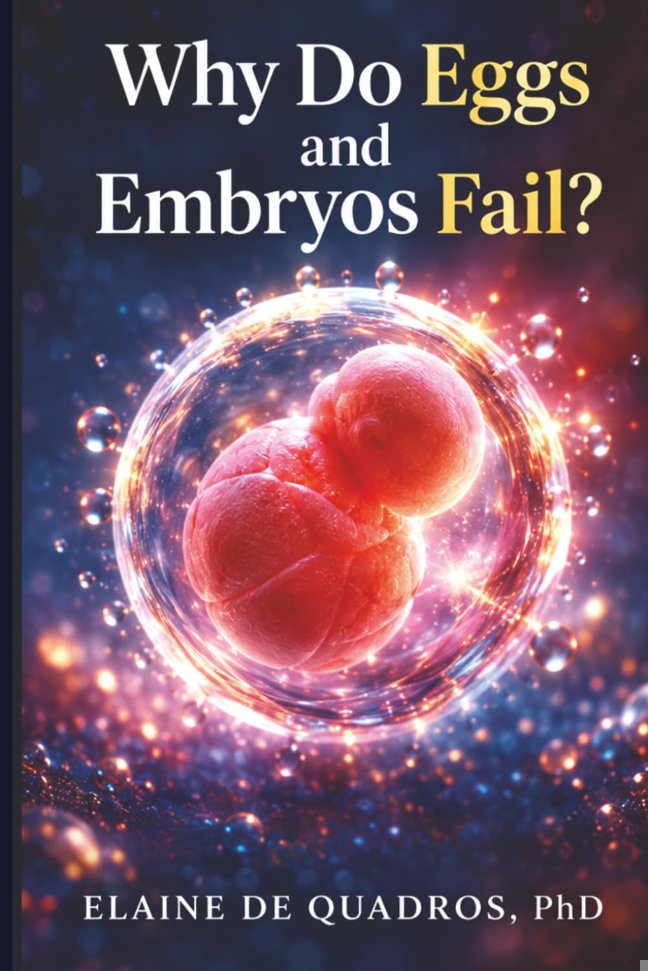
Why Do Eggs and Embryos Fail?: The Hidden Biology of Fertility, IVF, and the Fragile Beginnings of Human Life
Elaine de Quadros
4.6
Why do some eggs never fertilize? Why do some embryos stop developing? And why can an embryo that appears perfectly healthy still fail to become a pregnancy?For anyone navigating infertility, IVF, miscarriage, or pregnancy loss, these questions can feel intensely personal. Yet the answers often lie in a biological reality rarely seen outside the embryology laboratory: creating human life is extraordinarily complex.In Why Do Eggs and Embryos Fail?, embryologist and reproductive scientist Elaine de Quadros, PhD, takes readers inside the hidden first days of human development to explain what happens from egg maturation and fertilization through embryo development, genetic testing, implantation, and early pregnancy.Written in accessible language for patients and curious readers, the book explores how chromosomes, maternal age, sperm and egg quality, cellular function, environmental influences, embryo development, IVF, and preimplantation genetic testing can affect reproductive success.But this is more than a book about why reproduction fails. It is about understanding what those failures mean—and what they do not mean.IVF allows patients to witness biological events that normally occur unseen: eggs that do not mature, embryos that stop dividing, blastocysts that never form, and transfers that do not result in pregnancy. Understanding the science behind those moments cannot remove the disappointment, but it can replace some of the uncertainty with knowledge.Drawing on the perspective of an embryologist who has spent years caring for eggs and embryos while coming to understand the people waiting on the other side of the laboratory door, Why Do Eggs and Embryos Fail? offers a compassionate, science-based look at the remarkable—and remarkably fragile—beginnings of human life.
…
Cover unavailable
48
Obstetrics: Normal and Problem Pregnancies
Steven G. Gabbe MD, Joe Leigh Simpson MD, Jennifer R. Niebyl MD, Henry L Galan MD, Laura Goetzl MD MPH, Eric R. M. Jauniaux MD PhD FRCOG, Mark B Landon MD
4.6
Concerned primarily with general and high risk obstetrics, this fully revised edition contains chapters on critical care, ultrasound, pre-natal diagnosis, AIDS and pre-pregnancy counselling. This text should be of interest to obstetricians in training and practice as well as gynaecologists.
Cover unavailable
49
Windows to the Womb: Revealing the Conscious Baby from Conception to Birth
David Chamberlain
4.6
Windows to the Womb is an eloquent guide through the first nine months of life from conception to birth. In the past, the invisible physical processes of fetal development were mysterious and largely unexplainable, but in the past half-century, breakthroughs in embryology, interuterine photography, ultrasound, and other sensitive instruments of measurement have enabled us to make systematic observations inside the womb. We now understand that fetuses are fully sentient and aware beings. In this new climate of appreciation for the surprising dimensions of fetal behavior, sensitivity, and intelligence, this book brings a host of new information to light about the transformative journey each one of us must undergo in the womb.
With reverent awe, the author describes the amazing construction of our physical bodies, the "ultimate architecture," and draws parallels with the expansion of our minds as our brains and senses develop and grow. Dr. Chamberlain details new discoveries in embryonic and fetal research that support his own findings on the impact of the mother's emotional and physical state during pregnancy; the importance of bonding at the earliest stages, long before birth; and the steps that expectant parents can take to ensure the most nurturing start in life for their children.
From the Trade Paperback edition.
…
Cover unavailable
50
A Guinea Pig's History of Biology
Jim Endersby
4.6
"Endless forms most beautiful and most wonderful have been, and are being, evolved," Darwin famously concluded "The Origin of Species," and for confirmation we look to...the guinea pig? How this curious creature and others as humble (and as fast-breeding) have helped unlock the mystery of inheritance is the unlikely story Jim Endersby tells in this book.
Biology today promises everything from better foods or cures for common diseases to the alarming prospect of redesigning life itself. Looking at the organisms that have made all this possible gives us a new way of understanding how we got here--and perhaps of thinking about where we're going. Instead of a history of which great scientists had which great ideas, this story of passionflowers and hawkweeds, of zebra fish and viruses, offers a bird's (or rodent's) eye view of the work that makes science possible.
Mixing the celebrities of genetics, like the fruit fly, with forgotten players such as the evening primrose, the book follows the unfolding history of biological inheritance from Aristotle's search for the "universal, absolute truth of fishiness" to the apparently absurd speculations of eighteenth-century natural philosophers to the spectacular findings of our day--which may prove to be the absurdities of tomorrow.
The result is a quirky, enlightening, and thoroughly engaging perspective on the history of heredity and genetics, tracing the slow, uncertain path--complete with entertaining diversions and dead ends--that led us from the ancient world's understanding of inheritance to modern genetics.
…
Cover unavailable
51
Basic Concepts in Embryology: A Student's Survival Guide Basic Concepts in Embryology: A Student's Survival Guide
Lauren Sweeney
4.6
Does the massive amount of information involved in your study of embryology overwhelm you? If so, let Basic Concepts in Embryology organize and condense the material to help you master - not just memorize - the stages of human development and the step-by-step evolution of organ systems from embryonic layers. The focus is on those topics that students have identified as "most difficult" to grasp. Using simple, jargon-free language you'll fully understand the material and feel comfortable applying it. Unlike the conventional textbook or review book, Basic Concepts in Embryology has just one goal: to innovatively review the toughest concepts in embryology for maximum comprehension in a short period of time.
…
Cover unavailable
52
Human Embryyology
Inderbir Singh, G.P. Pal
4.6
Cover unavailable
53
Textbook of Clinical Embryology
Sing
4.6
Cover unavailable
54
Argus
Michelle Knudsen, Andrea Wesson
4.6
From the author of the best-selling Library Lion comes a funny, heartfelt picture book about embracing the unusual, green scales and all.
Sally's class is doing a science project, and Mrs. Henshaw is handing out eggs for hatching. "Mine looks different," says Sally. "Don't be difficult," says Mrs. Henshaw. When Sally's egg cracks, what emerges is something green and scaly with big yellow eyes. Argus isn't like the other chicks;he isn't small and fuzzy, and he doesn't like seeds and bugs. He'd rather eat other chicks (or children, as he grows even bigger). Watching the other kids playing with their identical chicks, Sally wonders, would she be better off without Argus? With sly humor and a subtle tug at the heartstrings, Michelle Knudsen hatches a story about learning not just to tolerate, but to love what is different, while Andrea Wesson's endearing illustrations bring the tale to life with quirky details and offbeat charm.
…
Cover unavailable
55
Life Before Birth
Gary E. Parker
4.6
This book has been called the most tastefully done and informative book on human life. Especially written for parents struggling to explain reproduction to their children, this book strongly focuses on the sanctity of human life. Ages 10-12.
Cover unavailable
56
Countdown To My Birth: A Day-by-Day Account of Pregnancy from Your Baby's Point of View
Julie B. Carr
4.6
This day by day account of pregnancy will help expecting mothers discover captivating facts like when your baby is the length and weight of a hot dog roll, when the heart begins to beat, when their eyes open and they begin to look around, and 277 additional daily developmental facts beginning with "making me" and concluding with the "arrival." This book will warm a mom's heart and soul. It's the making of a miracle and a keepsake forever Jodie Lynn, syndicated family columnist for Parent to Parent. There’s room for mom to make notes about each day.
“A fun way to keep track of the changes in your developing baby and get ready for the even bigger changes ahead.” —Rachel Bye, MD, pediatrician : “This book will warm a mom’s heart and soul. It’s the making of a miracle and a keepsake forever” —Jodie Lynn, syndicated family columnist for Parent to Parent.
…
Cover unavailable
57
High-Yield Embryology
Dr. Ronald W. Dudek PhD
4.6
This series extracts the most important information on each topic and presents it in a concise, uncluttered fashion to prepare students for the USMLE. High-Yield means exactly that! High-Yield Embryology, Fifth Edition provides a concentrated, efficient review of embryology material tested on the USMLE Step 1. Concepts are presented in a streamlined outline format with tables, diagrams, photos, and radiographs to clarify important material. In response to student feedback, the Fifth Edition features: New and updated figures Additional USMLE-style case studies at the end of each chapter An expanded section on early development
…
Cover unavailable
58
Human Embryology and Developmental Biology E-Book
Bruce M. Carlson MD, PhD
4.6
Bruce Carlson's Human Embryology and Developmental Biology is one of the most detailed texts available for those who want to truly understand both the morphological and molecular aspects of human embryological development.Fully updated in its seventh edition, the book provides a thorough grounding in all aspects of embryology. It presents in detail the molecular and cellular basis for embryological processes, from early development through to development of body systems. It covers examples of congenital malformations and their underlying mechanisms, and comes complete with clinical vignettes and review questions to support learning.This book will suit medical and science students taking embryology courses as well as scientists and clinicians who find themselves returning to this topic throughout their careers.- Clear and consistent writing style – highly readable and well-focused- Extensively illustrated to demystify complex topics- Good selection of original photographs of congenital anomalies to assist with identification- Review questions and suggested readings for further learning- Series of animations of complex embryological processes to accompany the text explanations- Clinical correlation boxes, vignettes and summary boxes for quick revision- An enhanced eBook version is included with purchase. The eBook allows you to access all the text, figures and references, with the ability to search, customize your content, make notes and highlights, and have content read aloud- Many new drawings and photographs- Thoroughly updated with recent research to advance understanding- Expanded treatment of newly understood molecular pathways.- Major updates on gametes, body axis formation, placental pathology, adipose tissue, intestinal and facial development
…
Cover unavailable
59
Textbook of Clinical Embryology
Kevin Coward and Dagan Wells
4.6
The success of Assisted Reproductive Technology is critically dependent upon the use of well optimized protocols, based upon sound scientific reasoning, empirical observations and evidence of clinical efficacy. Recently, the treatment of infertility has experienced a revolution, with the routine adoption of increasingly specialized molecular biological techniques and advanced methods for the manipulation of gametes and embryos. This textbook - inspired by the postgraduate degree program at the University of Oxford - guides students through the multidisciplinary syllabus essential to ART laboratory practice, from basic culture techniques and micromanipulation to laboratory management and quality assurance, and from endocrinology to molecular biology and research methods. Written for all levels of IVF practitioners, reproductive biologists and technologists involved in human reproductive science, it can be used as a reference manual for all IVF labs and as a textbook by undergraduates, advanced students, scientists and professionals involved in gamete, embryo or stem cell biology.
…
Cover unavailable
60
Textbook of Human Oral Embryology, Anatomy, Physiology, Histology and Tooth Morphology
KMK Masthan
4.6
Cover unavailable
61
The Form of Becoming: Embryology and the Epistemology of Rhythm, 1760-1830 (Zone Books)
Janina Wellmann
4.5
In The Form of Becoming Janina Wellmann offers an innovative understanding of the emergence around 1800 of the science of embryology and a new notion of development, one based on the epistemology of rhythm. She argues that between 1760 and 1830, the concept of rhythm became crucial to many fields of knowledge, including the study of life and living processes. She juxtaposes the history of rhythm in music theory, literary theory, and philosophy with the concurrent turn in biology toward understanding the living world in terms of rhythmic patterns, rhythmic movement, and rhythmic representations. Common to all these fields was their view of rhythm as a means of organizing time -- and of ordering the development of organisms.
With The Form of Becoming, Wellmann, a historian of science, has written the first systematic study of visualization in embryology. Embryological development circa 1800 was imagined through the pictorial technique of the series, still prevalent in the field today. Tracing the origins of the developmental series back to seventeenth-century instructional graphics for military maneuvers, dance, and craft work, The Form of Becoming reveals the constitutive role of rhythm and movement in the visualization of developing life.
…
Cover unavailable
62
Dental Anatomy Coloring Book
Margaret J. Fehrenbach RDHMS
4.5
Bring the complex structures of the head and neck to life! Dental Anatomy Coloring Book, 3rd Edition is an easy-to-use introduction to foundational embryology and anatomy along with the basic body systems affecting dentistry. Chapters include images that you will color and connect with corresponding labels, and each image includes questions for self-testing and comprehension. Coverage includesthe body systems, orofacial anatomy, dentition, skeletal system, muscles, veins, glands, nerves, lymph nodes, and fasciae and spaces. Plus, for study on-the-go, you can access textbook study materials. Developed by a nationally renowned authority in dental education, this coloring book is the perfect way to help you identify anatomical landmarks and understand the complex interrelationships involved in dental anatomy and physiology.
Robust art program featuresdetailed anatomic illustrationswith corresponding labels for easy identification. Easy-to-follow organization maps to core text beginning with an overview of body systems and then breaks down dental anatomy in the following chapters.
Review questionsincluded with each illustration feature 5-10 fill-in-the-blank questions based on the content in two related titles: Illustrated Dental Embryology, Histology, and Anatomy and Illustrated Anatomy of the Head and Neck.
Answers are provided upside-down at the bottom of each page for self-testing.
Perforated pages allow for easy removal so that students can study pages while on the go or submit them to instructors.
Access to online student resources for the two companion textbooks referenced.
NEW! Additional and revised images include more cross-sectional views. REVISED! Questions with each image provide additional.
NEW! Back-of-book multiple-choice test includes answers and rationales to help students prepare for classroom and board exams.
…
Cover unavailable
63
Icons of Life: A Cultural History of Human Embryos
Lynn Morgan
4.5
Icons of Life tells the engrossing and provocative story of an early twentieth-century undertaking, the Carnegie Institution of Washington's project to collect thousands of embryos for scientific study. Lynn M. Morgan blends social analysis, sleuthing, and humor to trace the history of specimen collecting. In the process, she illuminates how a hundred-year-old scientific endeavor continues to be felt in today's fraught arena of maternal and fetal politics. Until the embryo collecting project-which she follows from the Johns Hopkins anatomy department, through Baltimore foundling homes, and all the way to China-most people had no idea what human embryos looked like. But by the 1950s, modern citizens saw in embryos an image of “ourselves unborn,” and embryology had developed a biologically based story about how we came to be. Morgan explains how dead specimens paradoxically became icons of life, how embryos were generated as social artifacts separate from pregnant women, and how a fetus thwarted Gertrude Stein's medical career. By resurrecting a nearly forgotten scientific project, Morgan sheds light on the roots of a modern origin story and raises the still controversial issue of how we decide what embryos mean.
…
Cover unavailable
64
Langman's Medical Embryology 12th (Twelveth) Edition
Thomas W. Sadler PhD
4.5
Cover unavailable
65
The Complete Parasite Cleanse Bible: A 60-Day Natural Detox Program to Eliminate Hidden Parasites, Heal Your Gut, and Restore Your Health with Herbal Remedies for Long-Term Protection
Selene Willwood
4.5
What If Behind Your Bloating, Fatigue, and Brain Fog... Could Be a Parasite You Never Knew Was ThereToo many women live with vague, persistent symptoms—bloating, low energy, brain fog, mood swings, itchy skin, digestive drama—that mainstream medicine dismisses as “normal.”You're told it’s just stress. Hormones. Aging.Your lab tests come back “fine,” and yet... you still feel awful.No answers. No relief. Just more supplements, more guesswork—and growing frustration.But deep down, you know something isn’t right.You’re not imagining it.Hidden parasites are often the real root cause—and unless you eliminate them, no diet, supplement, or probiotic will create lasting change.But don’t worry—you’re not alone in this journey...That’s why The Ultimate Parasite Cleanse Bible exists: to guide you through a proven, natural, and comprehensive method that addresses what others overlook.Because here’s the truth no one talks about—your gut is the center of it all. When it’s imbalanced, overwhelmed, or silently under attack, every part of you feels it. Your energy dips. Your skin flares. Your mood shifts. Your body feels heavy. You start to question yourself.But it’s not you—it’s your gut. And this is where the real healing begins.When you nurture and restore your gut, everything starts to change. It’s not just about feeling better. It’s about becoming the version of you that feels fully alive again.Flush out parasites, reset your gut, and restore your vitality with this powerful 60‐day holistic protocol.No gimmicks. No guesswork. Just step‐by‐step healing rooted in nature and clarity.Inside this book, you’ll discover:Hidden Clues: 12 overlooked signs of parasites—even when lab results say you’re “fine”The Complete Protocol: A full 60‐day plan with clear food, supplement, and lifestyle guidanceHerbal Pharmacy: The top 10 anti‐parasitic herbs, how they work, and how to use themDie‐Off Support: Gentle strategies to manage detox symptoms and avoid overwhelmMeal Plans & Recipes: Gut‐healing meals for every phase (includes vegetarian options)And much more.Exclusive BONUSES for Amazon ReadersThe 5-Day Reset Plan: Start your cleanse with clarity and confidence—an immediate, no-stress jumpstart that helps you take action from day one.Printable Detox Planner & Tracker: Stay organized and in control with a visual guide that shows you exactly what to do each day.The Gentle Reset Protocol: Your safety net for tough days—a gentle 3-day plan that keeps you supported if detox symptoms hit.And that’s not all—you’ll also find additional printable tools and checklists designed to make your gut-healing journey simple, structured, and empowering.Imagine waking up with clear skin, no bloat, stable energy, and true peace in your body. Imagine feeling empowered, confident in your ability to protect your health—naturally. Imagine your family thriving too. No prescriptions. No guesswork. Just a smart, holistic reset that works.Don’t wait to feel better—grab your copy of The Ultimate Parasite Cleanse Bible and take control of your gut health today!
…
Cover unavailable
66
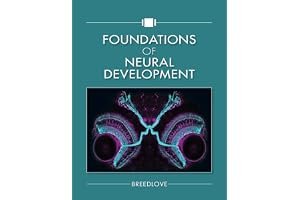
Foundations of Neural Development
S. Marc Breedlove
4.5
Foundations of Neural Development is a textbook written with a conversational writing style and topics appropriate for an undergraduate audience. Each chapter begins with a thought-provoking vignette, or a "real-life story," that the subsequent material illuminates. The "Researchers at Work" feature, available in every chapter, describes a classic study in detail, taking the reader through the hypothesis, test, result, and conclusion of an experiment. A marginal glossary, review questions, and bulleted summary are a few of the other features in the book. Chapters 1-7 unfold in the order of ontogeny, covering induction, the establishment of a body plan, neural migration, differentiation, axonal pathfinding, synapse formation, and apoptosis. Chapters 8-10 address activity-guided, experience-guided, and socially guided neural development--mechanisms that were crucial for the evolution of the human brain. Lively and engaging, with the finest illustrations, Foundations of Neural Development is the perfect book to help any undergraduate student understand how a single microscopic cell, a human zygote, can develop into the most complex machine on earth, the brain.
For the Student
Companion Website
The Foundations of Neural Development Companion Website contains a range of media and review resources to help students learn the material presented in each chapter of the textbook and to visualize some of the key processes discussed. The site includes the following resources:
* Chapter outlines * Chapter summaries * Animations: Detailed animations that cover some of the key processes presented in the textbook. * Videos: Links to fascinating videos that demonstrate the processes and concepts of neural development. * Flashcards: An easy way for students to learn and review the key terms introduced in each chapter. * Glossary * News Feed: A continuously-updated feed of links to science news articles relevant to neural developmental.
For Instructors (available to qualified adopters)
Instructor's Resource Library
The Foundations of Neural Development Instructor's Resource Library (available to qualified adopters) includes a variety of resources to aid you in the development of your course and the assessment of your students. The IRL includes the following.
* Textbook Figures & Tables: All of the figures (including photos) and tables from the textbook are provided as JPEGs, all optimized for use in presentations. Complex figures are provided in both whole and split versions.
* PowerPoint Presentations: A PowerPoint presentation containing all figures and tables, with titles and full captions, is provided for each chapter.
* Videos: A collection of fascinating segments from BBC programs that illustrate important concepts from the textbook.
* Test Bank: The Test Bank consists of a range of questions covering key facts and concepts in each chapter. Multiple-choice and short-answer questions are included, and all questions are ranked according to Bloom's Taxonomy and referenced to specific textbook sections.
* Computerized Test Bank: The Test Bank is provided in Blackboard's Diploma format (software included). Diploma makes it easy to assemble quizzes and exams from any combination of publisher-provided questions and instructor-created questions. In addition, quizzes and exams can be exported for import into many different course management systems, such as Blackboard and Moodle.
* Course Management System Support: The Test Bank is also provided in Blackboard format, for easy import into campus Blackboard systems. In addition, using the Computerized Test Bank, instructors can easily create and export quizzes and exams (or the entire test bank) for import into other course management systems, including Moodle, Canvas, and Desire2Learn/Brightspace.
…
Cover unavailable
67
Fibroid Shrinks: A Herbal Guide to Natural Cure
Dr Slate Florin
4.5
FIBROID SHRINKS... HOW?One of the pronounce uterus disease that women face is Fibroid growth.Uterine fibroid is a growth or tumors in/on the uterus. Study shows that approximate 70% of women in the world suffers from fibroid. Sometimes these tumors become large therefore cause severe abdominal pain and heavy periods. Many medical therapies have been designed for the treatment of fibroid because of the high possibility of it occurrence in women. But this book is a compilation of researches to naturally shrink fibroid with the use of supplements. It discusses five natural supplements that can help shrink fibroidcompletely.Contents of the book • The list of the 5 unique supplements. • Preparation processes of those supplements. • Recommended dose. • How to use those supplements for the treatment of another ailment. • How to prevent the growth of fibroid. • Foods to avoid to prevent fibroid growth. • The Side effects of those supplements and more.
…
Cover unavailable
68
Bioethics and the New Embryology: Springboards for Debate
Scott Gilbert
4.5
Our ability to alter the course of human development ranks among the most significant changes in modern science. But even if we can do such things, should we? Under what conditions should certain procedures be permitted or forbidden? Do we want to support the research that might make such procedures possible? This book presents enough science so readers can make an informed analysis of the issues consistent with their ethical views.
This book is available on its own and packaged with other W.H. Freeman titles. If you are interested in packaging it, please contact your local W.H. Freeman Representative.
…
Cover unavailable
69
BRS Embryology
Dr. Ronald W. Dudek PhD
4.5
Succeed on the USMLE, other board exams, and course exams with this updated Sixth Edition of BRS Embryology. Acclaimed for its easy-to-read, easy-to-scan outline format, this bestselling book includes over 220 USMLE-style questions with complete answers and explanations, as well as exams at the end of each chapter and an end-of-book Comprehensive Examination. Enhanced by outstanding radiographs, sonograms, computed tomography scans, and clinical photographs of various congenital malformations, this proven book covers the facts and concepts tested on the USMLE within the context of human embryologic development. Offered in both print and online formats, the book boosts confidence and provides maximum accessibility and portability for in-class or on-the-go learning. "
Maximize study time with the Board Review Series quick scan outline format. Prepare for the board exam with more than 220 USMLE-style questions and answers. Focus your board review PrepUsing the icons that highlight the information key to the USMLE exam. See the connection between human embryologic knowledge and clinical medicine through Clinical Considerations sections. Master key facts and information with illustrations and tables that summarize information for convenient review. Practice for the board examination using the comprehensive end-of-book exam. Enhance your visual understanding with high quality radiographic/ diagnostic and clinical images that clarify key facts and concepts Find key information fast with anytime, anywhere access to the fully searchable text on the free companion website, which also features interactive quizzing.
…
Cover unavailable
70
Essentials of Domestic Animal Embryology
Poul Hyttel
4.5
This reference on veterinary embryology covers general embryology, i.e. the development from the formation of the gametes over fertilization and initial embryogenesis up to the stage where organ formation is initiated, and special embryology, i.e. the development of the organ systems. Moreover, the book also includes a section on teratology, one on assisted reproductive technologies and one on veterinary and societal aspects. Written with the veterinary student in mind, this textbook is written in an accessible style with high quality colour illustrations and line drawings. Succinct and accessible
300 high-quality colour illustrations
Written for undergraduates and invaluable for graduates wishing to brush up
…
Cover unavailable
71
A History of Embryology
Joseph Needham
4.5
First published in 1959 as the second edition of a 1934 original, this book describes the Western history of embryology from prehistoric concepts of foetal growth through Graeco-Roman antiquity to the close of the eighteenth century. The text is illustrated with plates and diagrams showing the development of scientific understanding over time, first through artistic representations of gestation and later through scientific drawings and sketches. This book will be of value to anyone with an interest in the history of medicine.
…
Cover unavailable
72
Embryology
Barry Mitchell BScMScPhDFIBMSFIBiol and Ram Sharma BScMScPhD
4.5
EMBRYOLOGY provides a concise and highly illustrated text, which confines its descriptions to those that are relevant for modern undergraduate and postgraduate medical courses, and similar courses in other related disciplines. An appreciation of embryology is essential to understand topological relationships in gross anatomy and to explain many congenital anomalies. Each chapter is supplemented by clinical point 'boxes' and by key revision points. Text in concise Illustrated Colour Text style, so core information on embryology can be quickly recognised and digested. Clear full colour diagrams and pictures make the embryological concepts clear and easily assimilated. Clinical boxes highlight essential points of importance to medical students.
…
Cover unavailable
73
First Nine Months of Life
Geraldine Lux Flanagan
4.5
Offers a description of prenatal development explaining the technical aspects of conception and growth without losing the sense of wonder.
Cover unavailable
74
Keto Meal Plan: Beginners Guide to a Ketogenic Diet & Lose Weight In 30-Day Cooking Delicious Recipes
Adele Baker
4.5
Transform your Body with The Keto Meal Plan
This Beginners Guide To A Ketogenic Diet contains a 30-day keto meal plan as a comprehensive guide to high-fat living that’s different from the rest. The Book aims to help get you started on your way should you be new to the low carb diet, or if you are just off it for a while and in need of a specific plan to help you along the way.
With the strategies and recipes you’ll find here, you can end food obsession, cravings, and restrictions through sound nutrition practices and delicious whole food meals so that you can get the weight and health you want without self-loathing or guilt.
The Keto Meal Plan Cookbook features:
A Closer Look at the Ketogenic Diet, How to Determine Your Numbers Keeping to the Diet Over Time 30-Day Keto Meal Plan that are going to make life easier Amazing variety of Keto Breakfast and Side dishes, which are full of flavor and healthy fats Simple dinner ideas, low carb beef burgers, chicken, turkey, and other fantastic recipes Special chapter for keto snacks lovers with commonly found ingredients All recipes supported by nutritional breakdowns, full images, and portion control
*Please note: Book is available in 2 Paperback formats- Black and White and Full color. Choose the best for you •
Full-color edition - Simply press “See all formats and versions” above the price. Press left from the “paperback” button Black and white version - is the default first
As a GIFT, at the end of the book, I’ll give you a BONUS!
TOP recipes for any occasion from the best-seller author Adele Baker
Use these healthy and easy recipes and start cooking today!
…
Cover unavailable
75
Embryology at a Glance
Samuel Webster and Rhiannon de Wreede
4.5
Highly Commended in Obstetrics and gynaecology in the 2017 BMA Medical Book Awards
Embryology at a Glance is a highly illustrated and innovative introduction to key embryological concepts, with concise, memorable descriptions of major embryological developments. This new edition covers the basic principles of human development, from mitosis and meiosis, before exploring the primary formation of each body system, including the development of the musculoskeletal, circulatory, digestive, reproductive, and nervous systems during the foetal and neonatal periods.
Key features include:
New chapters on cell signalling genes, stem cells, and antenatal screening for common congenital and genetic defects Full colour photographs and illustrations Links to clinical practice highlighted throughout Timelines of each developmental stage MCQs and EMQs for revision and review A companion website at www.ataglanceseries.com/embryology featuring 15 brand new animations, and podcasts to help clearly explain the processes that occur during development. An additional instructor resource contains an image bank of all the figures from the book to aid teaching this fascinating area Embryology at a Glance provides the perfect alternative to the overwhelming detail seen in conventional embryology texts. It provides just the right level of detail on embryology and congenital abnormalities for all medical students and health professionals to develop a thorough understanding of human development and its implications for clinical practice.
…
Cover unavailable
76
Human Embryology Coloring Book
Anne-Marie Scholer
4.4
Master the Complexities of Human Embryology with Ease!The Human Embryology Coloring Book (2nd Edition) is a powerful visualization and learning tool designed for advanced biology and medical students. Combining detailed illustrations with interactive coloring activities, this book helps you deeply understand and remember the intricate stages of human embryology.Why this book works:Visual Learning Made Easy: Embryology’s 3-dimensional processes can be hard to grasp. Coloring these stages helps activate your brain’s visual and kinesthetic memory centers.Clear, Step-by-Step Illustrations: Simplify challenging concepts like folding, twisting, and developmental progressions.Ideal for Professional Studies: Perfect for pre-med, medical, and other health sciences programs.What students say:“Your embryology and developmental biology course was one of my favorites ... I’m now working with a research team on neuroblastomas.”“Because of the way you taught with this coloring book, I recall a lot of the information.”About the AuthorDr. Anne-Marie Scholer is a seasoned educator at Endicott College, teaching human embryology, anatomy, and developmental biology. Her innovative teaching methods, including this coloring book, have helped countless students excel in their studies.
…
Cover unavailable
77
Embryology, Epigenesis and Evolution: Taking Development Seriously
Robert
4.4
Philosophers of science have tended to avoid the problem of "development" by focusing primarily on evolutionary biology and, more recently, on molecular biology and genetics. Jason Scott Robert explores the nature of development as it relates to current concepts in biological theory and practice and analyzes the interrelations between development and evolution (evo-devo), an area of resurgent biological inquiry.
…
Cover unavailable
78
Culture of Human Stem Cells (Culture of Specialized Cells)
R. Ian Freshney, Glyn N. Stacey, Jonathan M. Auerbach
4.4
This book collects the most effective and cutting-edge methods and protocols for deriving and culturing human embryonic and adult stem cells―in one handy resource. This groundbreaking book follows the tradition of previous books in the Culture of Specialized Cells Series―each methods and protocols chapter is laid out exactly like the next, with stepwise protocols, preceded by specific requirements for that protocol, and a concise discussion of methods illustrated by data. The editors describe a limited number of representative techniques across a wide spectrum of stem cells from embryonic, newborn, and adult tissue, yielding an all-encompassing and versatile guide to the field of stem cell biology and culture.The book includes a comprehensive list of suppliers for all equipment used in the protocols presented, with websites available in an appendix. Additionally, there is a chapter on quality control, and other chapters covering legal and ethical issues, cryopreservation, and feeder layer culture. This text is a one-stop resource for all researchers, clinical scientists, teachers, and students involved in this crucial area of study.
…
Cover unavailable
79
Ectopic Life: What Your Doctor Doesn't Know About Ectopic Pregnancy
Bill Fortenberry
4.4
In 2012, Bill Fortenberry shocked the pro-life community by publishing his discovery of hundreds of cases of live births from ectopic pregnancies. Over the next decade, Fortenberry’s article was read by more than half a million people, sparking a significant shift in the abortion debate and undermining a foundational argument used in Roe v. Wade.In this book, Fortenberry presents an update of his original article along with a helpful fact sheet, and a list of more than three hundred documented live births from ectopic pregnancies. No one who reads this book will ever look at ectopic pregnancy the same way again.About the AuthorBill Fortenberry joined the fight against abortion shortly after his son was born in 2006. He helped found Personhood Alabama, where he served on the board and eventually became president. He was also a charter member of the Personhood Alliance, where his legal and ethical research were instrumental in shaping policy and drafting legislation across the nation. Bill designed the legal argument behind the 2019 Baby Roe case which remains the only case in US history to win legal recognition of the personhood of an aborted child.
…
Cover unavailable
80
Illustrated Dental Embryology, Histology, and Anatomy
Mary Bath-Balogh BA BS MS
4.4
Featuring detailed illustrations and full-color photographs, Illustrated Dental Embryology, Histology, and Anatomy, 3rd Edition, provides a complete look at dental anatomy, combined with dental embryology and histology and a review of dental structures. A clear, reader-friendly writing style helps you understand both basic science and clinical applications, putting the material into the context of everyday dental practice. Going beyond an introduction to anatomy, this book also covers developmental and cellular information in depth. Color photomicrographs make it easy to discern microscopic structures. Expert authors Mary Bath-Balogh and Margaret Fehrenbach provide an essential background in oral biology for dental hygiene and dental assisting students, including excellent preparation for the National Board Dental Hygiene Examination (NBDHE).
…
Cover unavailable
81
From Embryology to Evo-Devo: A History of Developmental Evolution
Manfred D. Laubichler, Jane Maienschein
4.4
Choice Outstanding Academic Title, 2007.Although we now know that ontogeny (individual development) does not actually recapitulate phylogeny (evolutionary transformation), contrary to Ernst Haeckel's famous dictum, the relationship between embryological development and evolution remains the subject of intense scientific interest. In the 1990s a new field, evolutionary developmental biology (or Evo-Devo), was hailed as the synthesis of developmental and evolutionary biology. In "From Embryology to Evo-Devo, " historians, philosophers, sociologists, and biologists offer diverse perspectives on the history of efforts to understand the links between development and evolution.After examining events in the history of early twentieth-century embryology and developmental genetics--including the fate of Haeckel's law and its various reformulations, the ideas of William Bateson, and Richard Goldschmidt's idiosyncratic synthesis of ontogeny and phylogeny--the contributors explore additional topics ranging from the history of comparative embryology in America to a philosophical-historical analysis of different research styles. Finally, three major figures in theoretical biology--Brian Hall, Gerd Muller, and Gunter Wagner--reflect on the past and future of Evo-Devo, particularly on the interdisciplinary nature of the field. The sum is an exciting interdisciplinary exploration of developmental evolution.Contributors: Garland Allen, Fred Churchill, Elihu Gerson, Scott Gilbert, James Griesemer, Brian K. Hall, Manfred D. Laubichler, Alan C. Love, Jane Maienschein, Gerd B. Muller, Stuart A. Newman, Marsha L. Richmond, Gunter P. Wagner, William C. Wimsatt, and John Wourms
…
Cover unavailable
82
Textbook of Embryology - For Undergraduate Students
Gangane
4.4
Cover unavailable
83
The Conscious Pregnancy: A Spiritual and Practical Approach to Creating a Zen Baby
Shivani Gupta
4.4
Cover unavailable
84
Embriología clínica + StudentConsult (10ª ed.)
Keith L. Moore, T.V.N. Persaud, et al.
4.4
Cover unavailable
85
Embryos, Galaxies, and Sentient Beings: How the Universe Makes Life
Richard Grossinger
4.4
Why is the universe conscious? What kindles mind inside matter? Why do fundamentalist sciences and religions never ask these questions? This sequel to Embryogenesis deals with the theoretical issues brought up by Embryogenesis, including: the relationship between thermodynamics/entropy and the emergence of life; a speculative set of embryogenic principles for all creatures on all planets in the cosmos; an explanation and critique of Intelligent Design and a proposal for a more dynamic psychospiritual theory of creature development; a series of alternatives to genetic determinism; a discussion of the relationship between consciousness and matter; an interjection of 9/11 (which occurred during the writing of this book); and many other topics. Chapters include: What is Life?: Evolution, Thermodynamics, and Complexity; Is There a Plan?: Creationism, Cultural Relativism, and Paraphysics; Biogenesis and Cosmogenesis: Cells, Genes, and Planets; The Principles of Biological Design: Physical Forces in Nature; The Dynamics of the Biosphere: Deep Time and Space; The Limits of Genetic Determinism: Dimensionless Epigenetic Landscapes; Topokinesis: Physical Forces in Development; Tissue Motifs and Body Plans: Coordinating Form; The Primordial Field: Metabiology and The Molecular Apparatus; Meaning and Destiny: The Relation of Consciousness to Matter
…
Cover unavailable
86
In Vitro Fertilization: A Woman's Guide to the IVF Process
Praveena Kimble
4.4
Cover unavailable
87
Veterinary Embryology
T. A. McGeady
4.4
Embryology, a topic with ramifications throughout the veterinary undergraduate curriculum, includes a wide range of molecular, cellular and tissue alterations which precede the birth of a normal animal. This textbook provides information relevant to many subjects taught in preclinical, paraclinical and clinical years. Early chapters describe and explain sequential events relating to the division, growth and differentiation of cells and to the formation of foetal membranes, implantation and placentation. Succeeding chapters trace the origin, growth, development and maturation of the major body systems. Age determination of the embryo and foetus is reviewed in a single chapter. Genetic, chromosomal and environmental factors which adversely affect pre-natal development are reviewed in the final chapter. A reading list at the end of each chapter offers additional sources of information on the topics discussed. Tables, flow diagrams and numerous hand-drawn illustrations provide information in a from which complements the concepts presented in the text. Written by a team which includes members with expertise in developmental anatomy, molecular biology and clinical aspects of veterinary medicine. Illustrated by a veterinary graduate. Hand-drawn illustrations are used extensively to explain organogenesis and system development. An explanatory glossary provides concise information on specialised terms used in the text. The index is designed for easy retrieval of information.
…
Cover unavailable
88
Seven Steps to Heal Your Thyroid: A Proven Plan to Increase Energy, Elevate Mood & Optimize Weight
Dr. Meghna Thacker
4.3
If you are someone who has low energy and has to push yourself to get through your day or suffer from mood swings that may alternate between depression and bursts of anger, or has a difficult time losing weight after trying all the diets and exercise programs out there, then this book is for you. The Seven Steps to Heal Your Thyroid gives you a Step by Step approach to get to the root cause of your thyroid problem and helps to find the solution along the way. The first step begins with introducing you to how your Thyroid Gland works and which hormones does it produce and what influences its function. In step two, you will learn about the different naturopathic treatments to heal your thyroid problem. Step three will address the important role of our gut and how conditions like leaky gut are related to autoimmune conditions like Hashimoto's Thyroiditis. Step four addresses the Environmental influences on the thyroid. In Step five you will understand why it is important to keep all the hormones balanced, not just the thyroid. Step six addresses the important aspect of stress and emotional health and its affect on the thyroid function and last but not least, Step Seven brings it all together by treating the person as a Whole. Finding the balance in Trinity of Life- Mind, Body & Spirit. I have written this book from both my personal struggle with this condition which went un-diagnosed for years and my clinical experience treating patients for more than a decade. I hope that you find it helpful.