The 3 Stages of Cancer Development (and Protein’s Role in Cancer)
The 3 Stages of Cancer Development (and Protein’s Role in Cancer)
What are the 3 stages of cancer development? Is there anything we can do to slow or reverse the progress of cancer in its early stages? The three stages of cancer development are initiation, promotion, and progression. We’ll cover what happens in each of the stages of cancer development and how cutting animal proteins from your diet may be the key to reducing your cancer risk at each of the first two stages.

HRT and Breast Cancer: The Risks of Hormone Therapy

HRT and Breast Cancer: The Risks of Hormone Therapy

What is the link between hormone replacement therapy (HRT) and breast cancer? Is there a link between menopause and breast cancer? One out of eight American women will get breast cancer in her lifetime. Although menopause itself isn’t a risk factor for breast cancer, how you treat symptoms of menopause could increase your risk. We’ll cover the link between HRT and breast cancer and alternative options for easing your transition into menopause.

The 4 Biggest Problems with Healthcare in the U.S.

The 4 Biggest Problems with Healthcare in the U.S.

America spends more money on healthcare, per capita, than any country in the world. You would think this would make Americans healthier than any other population, but it doesn’t. Two-thirds of our population is overweight and half of Americans take a prescription drug every week. Why is this? What are the problems with healthcare in the U.S.? We’ll cover the 4 biggest healthcare issues in America.

Aflatoxin B1 in Peanuts, and How to Protect Yourself

Aflatoxin B1 in Peanuts, and How to Protect Yourself

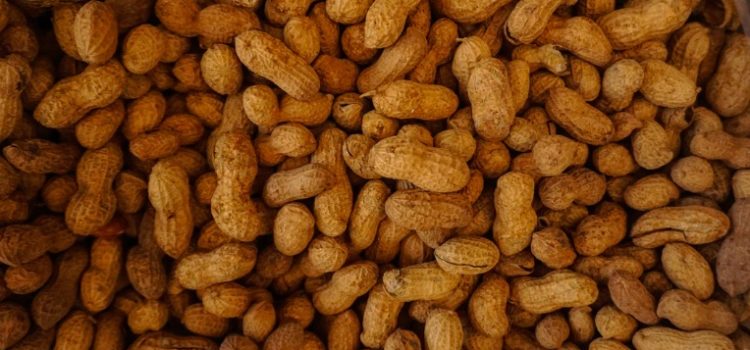
What is aflatoxin B1? How does it enter your system, and why is it dangerous? Aflatoxin B1 is a highly toxic carcinogen produced by the molds Aspergillus flavus and Aspergillus parasiticus. It enters the system through foods such as peanuts and corn that grow in contaminated soil. Aflatoxin B1 is strongly linked with liver cancer. We’ll cover why aflatoxin B1 was a particular problem in the Philippines, the dietary factors that may make aflatoxin B1 more dangerous, and the dietary factors that may serve as an aflatoxin treatment.

3 Cancer-Causing Foods You Eat Every Day

3 Cancer-Causing Foods You Eat Every Day

Cancer is a disease that’s startling in its prevalence. Males have a 47% chance of developing cancer in their lifetimes and females have a 38% chance. Is diet a contributing factor to the prevalence of these diseases? And if it is, what are the cancer-causing foods you should avoid? Contrary to what we’re often told, cancer is not a natural or inevitable disease. Most cancers are preventable through diet and lifestyle choices, but cancer death rates haven’t decreased over the past 20 years, despite all we’ve learned about this group of diseases. We’ll cover the studies linking certain foods, particularly

Is Breast Cancer Hereditary? BRCA Isn’t the Biggest Factor

sport

BRCA gene mutations have gotten a lot of attention, and for good reason: The discovery of mutations in BRCA-1 and BRCA-2, the breast cancer genes, can help you understand your breast cancer risk and get the preventative treatment you need. But is breast cancer really caused by your genetics? Is breast cancer hereditary? We’ll cover the role of the BRCA genes in breast cancer, discuss the role of genes in disease risk more generally, and look at other, perhaps more influential, breast cancer risk factors you should be aware of.